

ISRO Chief: Satellites Working 24/7 to Secure Nation’s 7,000 km Borders
New Delhi | May 12, 2025
As geopolitical tensions rise in the wake of the April 22 Pahalgam terror attack and India’s subsequent retaliation under Operation Sindoor, the Indian Space Research Organisation (ISRO) has confirmed that 10 of its satellites are working round-the-clock to monitor and secure India’s 7,000-km-long land and sea borders.
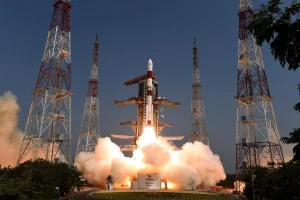
Speaking at the 5th Convocation of the Central Agricultural University in Imphal, ISRO Chairman V. Narayanan emphasized the strategic role of satellite and drone technology in national security. “We cannot secure our borders and coastline without our satellite infrastructure,” Narayanan said, highlighting the critical role of space-based surveillance amid regional instability.
The remarks come days after Indian forces targeted nine terror camps in Pakistan and Pakistan-occupied Kashmir, with Pakistan responding via drone and missile strikes, which were reportedly intercepted by Indian defense systems. Both nations agreed to a ceasefire on May 10, ending a brief but intense escalation.
Narayanan also reiterated India’s growing prowess in space, noting that the country has launched 433 satellites for 34 countries, marking its ascent as a key player in the global space economy. He highlighted past achievements such as Chandrayaan-1’s discovery of water molecules on the Moon and outlined India’s vision to establish its first space station by 2040.
Beyond defense, ISRO’s technologies are significantly enhancing disaster response, telemedicine, education, and weather forecasting. “Earlier, thousands used to perish in disasters; that doesn’t happen now thanks to better forecasting and communication infrastructure,” Narayanan said.
In line with global climate efforts, ISRO is also developing a satellite dedicated to the G20 bloc for monitoring air pollution and weather patterns, further integrating environmental sustainability with technological progress.
As India tightens its security infrastructure and expands its global satellite footprint, ISRO’s dual focus on strategic defense and civilian applications positions the organization as a central pillar of the country’s 21st-century development strategy.