
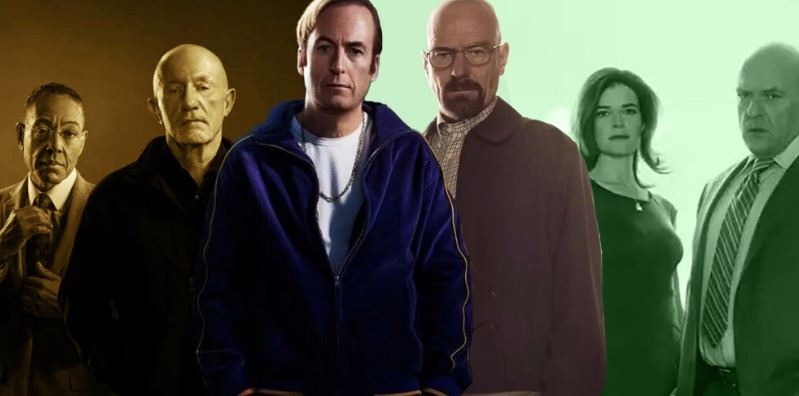
Better Call Saul: Season 6 Wraps with Quiet Truth, No Explosions
When Better Call Saul wrapped up, it didn’t just end—it reshaped how we saw its main character and, in many ways, even surpassed Breaking Bad. What started as a spin-off about a shady lawyer turned into a deep, tragic character study that slowly peeled back layers of Saul Goodman and turned him into a compelling, sympathetic figure.

A Spin-off That Evolved
At first, Better Call Saul seemed like a risky move. Saul Goodman was a comic relief character in Breaking Bad, the lawyer who helped drug lords and cracked jokes along the way. But as the show progressed, it did something unexpected—it showed us the man behind the flashy suits and quick one-liners.
What we saw was Jimmy McGill, a man desperate to be someone else, hiding his insecurities behind a mask of arrogance and charm. The show took us through his painful transformation into Saul Goodman, and eventually, Gene Takavic. His journey wasn’t just about turning into a criminal; it was about becoming someone he thought the world would respect, only to lose himself in the process.
Turning a Joke into Tragedy
Saul Goodman started off as the comic relief in Breaking Bad, the guy who made you laugh but never feel much sympathy for. In Better Call Saul, however, the character was given real depth. Instead of just making jokes, Saul became a tragic figure, using humor to cover up the loneliness and despair he felt inside.
Each season of Better Call Saul showed us more of Jimmy McGill’s past—how his troubled childhood, complicated family relationships, and constant need for validation shaped who he became. The show made us sympathize with Saul in ways we never did in Breaking Bad. What seemed like a character who was only in it for the laughs became someone who made serious, painful choices, and we could see the consequences of those decisions.
Better Call Saul: Season 6’s Ending
The final season of Better Call Saul didn’t rely on big action scenes or dramatic showdowns to make an impact. Instead, it focused on character development and the slow unraveling of Saul’s life. The season built up the tension, and each character’s story arc reached a meaningful conclusion.
The final episode, “Saul Gone,” was a quiet but powerful end to the series. It wasn’t about Saul running from the law or escaping danger; it was about him facing the man he had become and accepting the consequences of his actions. The show didn’t need big explosions or dramatic standoffs—it just needed honesty.
Better Call Saul Outshines Breaking Bad
While Breaking Bad was a thrilling ride full of action, Better Call Saul took a more understated approach. It took its time, developing its characters and focusing on the human side of the story. What started as a spin-off that seemed like a side project became something much bigger.
The way Better Call Saul made us care about a character like Saul Goodman—who was once a punchline—is a testament to the show’s success. It showed us the painful, lonely side of a man who had always been a joke, making his story feel real and relatable.
For More: 12 New OTT Releases to Stream This Week: Netflix, Prime Video, JioHotstar and More (April 23–25)