
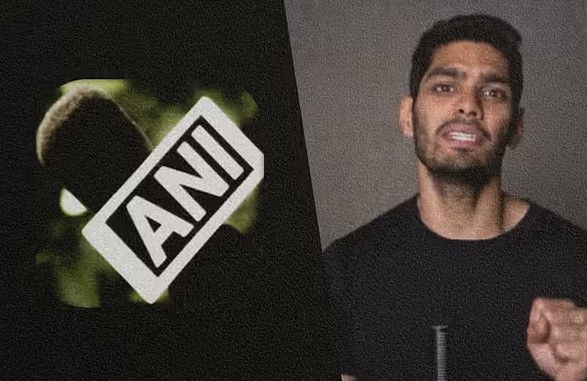
Mohak Mangal vs ANI | The Mohak Mangal Case Exposes a Broken Copyright Enforcement System
Popular YouTuber Mohak Mangal recently disclosed that he received two copyright strikes from news agency ANI for using brief clips—just 10 and 9 seconds long—in videos addressing public interest topics.

Another creator, who chose to remain anonymous, was asked to pay ₹15–18 lakh under similar circumstances. The Mohak Mangal case and others like it have sparked outrage online, with creators and viewers accusing ANI of misusing copyright enforcement to silence fair and transformative content.
Mohak Mangal Case Highlights Flaws in YouTube’s Content ID System
The controversy shines a light on YouTube’s Content ID system—an automated tool that scans uploaded videos for copyrighted material and allows rights holders to block or monetize content. While it’s effective at scale, it often fails to account for fair use or fair dealing, which legally allow short clips to be used for commentary, criticism, or education.
The result? Creators like Mohak Mangal get penalized for content that many argue should fall well within legal limits.
Outdated Copyright Laws
Much of today’s copyright framework was developed long before platforms like YouTube existed. Though intended to protect original creators, the laws haven’t been meaningfully updated to handle today’s digital, fast-moving media landscape.
While rights holders like ANI are legally allowed to enforce their copyright, doing so without nuance or context—as seen in the Mohak Mangal case—can stifle creativity, educational commentary, and even journalism.
ANI Isn’t Alone: The Global Trend of Aggressive Copyright Enforcement
ANI’s enforcement isn’t unusual. Global media giants like Warner Music Group, Nintendo, and even individual creators such as CGP Grey have used copyright strikes to protect their content. And for many creators, these tools are necessary to stop others from plagiarizing or stealing their videos.
The challenge lies in how these systems are used—and misused. Striking a balance between protecting content and allowing legitimate transformative use is key to keeping the internet fair and functional.
Walking the Tightrope
The Mohak Mangal case is more than a fight between one creator and one media house—it’s a reflection of the wider tensions in the creator economy. In a world where automated copyright enforcement systems act as judge and jury, creators are often left without a voice.
Unless reforms are made to account for fair use and transformative content, we risk discouraging education, commentary, and critical journalism in favor of rigid control.
ALSO READ: Vir Das Defends Influencers at Cannes | Calls Out ‘Elite Film People’
To Read More in Hindi: https://newz24india.com/