
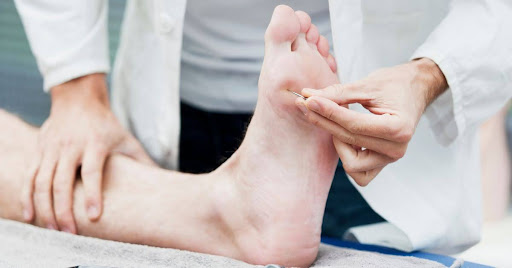
“Diabetics must protect their feet in winter to prevent ulcers, cracks, and infections. Learn expert tips on daily foot care, proper footwear, and safe habits to keep feet healthy.”
Winter brings chilly evenings and cozy clothing, but for people with diabetes, it also brings hidden health risks, particularly for their feet. Doctors emphasize that diabetics must protect their feet during cold months to avoid complications such as cracks, ulcers, and infections. The cold weather slows blood circulation and reduces nerve sensitivity, making it harder for diabetics to notice minor injuries that could escalate into serious wounds.
Winter Risks for Diabetic Feet
Dr. Karuna, Consultant in Internal Medicine at Manipal Hospital, Gurugram, explains that diabetes affects both nerves and blood vessels in the feet. “Even a small cut or blister can take much longer to heal in diabetics,” she says. “During winter, constricted blood vessels slow circulation further, increasing the chances of ulcers, infections, and delayed healing.”
Common winter habits like walking barefoot on cold floors, wearing tight socks, using hot water bottles, or neglecting dry skin can worsen diabetic foot problems. Reduced sensation in the nerves can prevent diabetics from feeling pain or noticing injuries, increasing the risk of frostbite, burns, or infections.
also read:- Cold Water vs Warm Water: Which is Better for Digestion?…
Simple Habits to Protect Diabetic Feet in Winter
Experts recommend that diabetics must protect their feet with consistent habits to avoid serious complications:
-
Daily Foot Checks: Examine your feet every day for red spots, cracks, blisters, or swelling. Early detection can prevent infections from worsening.
-
Choose the Right Footwear: Wear soft, seamless socks and comfortable shoes that allow enough room for toes to move. Avoid tight footwear that can cause friction and skin damage.
-
Avoid Direct Heat: Never apply a hot water bottle or heating pad directly to your feet. Instead, use warm water or insulated socks to keep feet cozy.
-
Control Blood Sugar Levels: Maintaining optimal blood sugar levels improves wound healing and reduces the risk of infections.
-
Immediate Medical Attention: If cuts, blisters, or ulcers appear, consult a doctor promptly. Severe wounds may require treatments like debridement to remove dead tissue and promote healing.
For More Hindi News: http://newz24india.com