
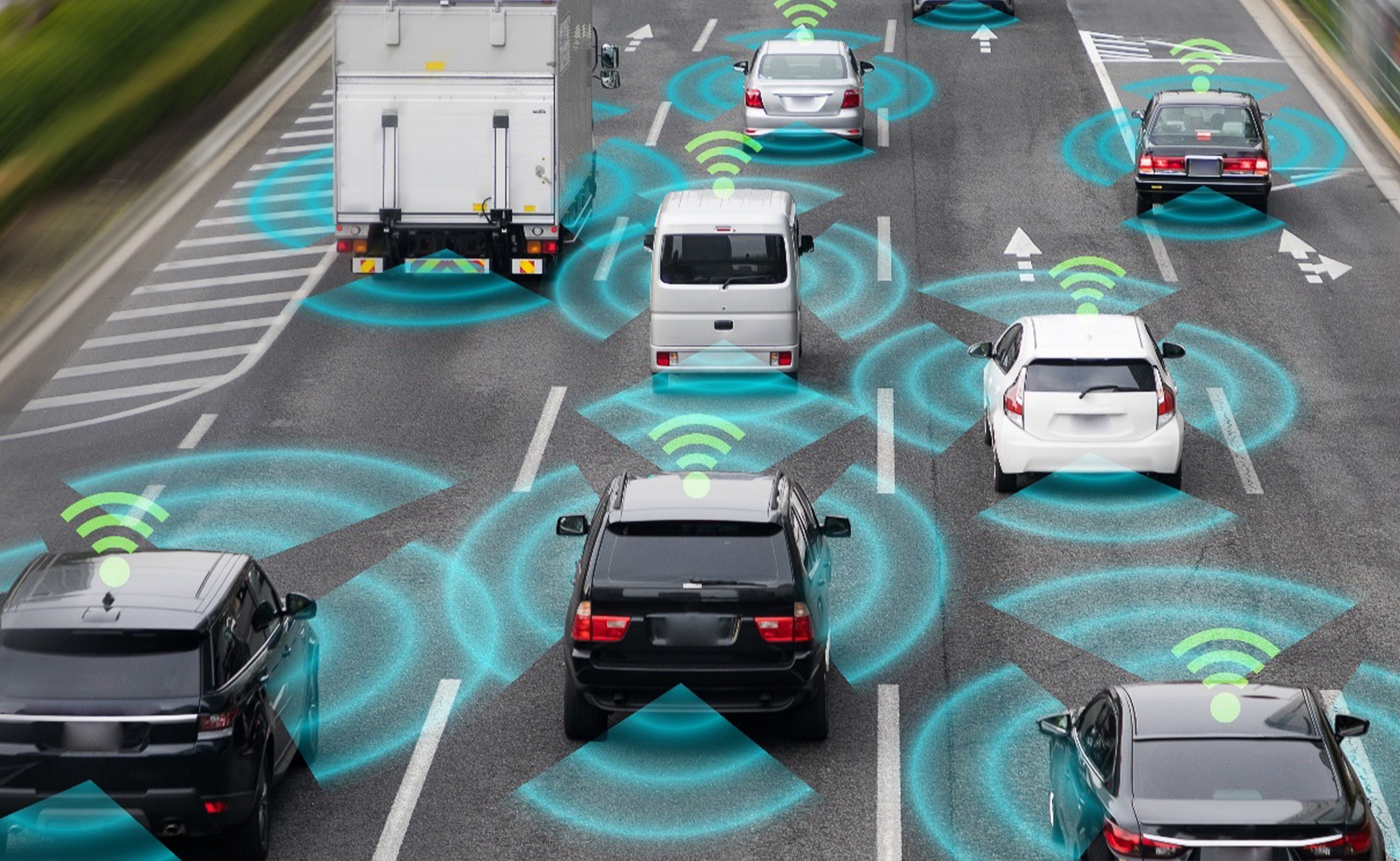
India to introduce Vehicle-to-Vehicle (V2V) tech by 2026, enabling real-time alerts and reducing accidents for safer highways and urban roads.
India is preparing for a major upgrade in road safety with the introduction of Vehicle-to-Vehicle (V2V) communication technology, a system designed to drastically reduce accidents and improve driver awareness across the country. This new technology allows vehicles to exchange safety alerts in real time without relying on mobile networks or the internet, making it especially useful in remote areas and harsh weather conditions.
What is Vehicle-to-Vehicle (V2V) Technology?
V2V technology enables direct communication between vehicles on the road. Cars equipped with V2V devices can share critical information such as speed, distance, direction, sudden braking, and stationary vehicle alerts. The system uses a small in-car device, similar to a SIM card, to constantly send and receive signals from nearby vehicles, allowing drivers to react faster to potential hazards.
Unlike GPS or internet-based systems, V2V works independently of a network, ensuring that drivers stay connected to other vehicles even in low-coverage or off-grid locations.
How V2V Can Reduce Accidents in India
Union Road Transport and Highways Minister Nitin Gadkari highlighted that V2V technology could significantly reduce collisions caused by high-speed rear-end crashes, fog-related pileups, and accidents involving parked vehicles. During dense fog or low visibility, V2V-equipped vehicles will alert drivers when another vehicle is dangerously close, giving them extra time to react.
also read:- Tara Sutaria and Veer Pahariya Part Ways? All You Need to…
Real-Time Alerts and 360-Degree Communication
One of the key features of V2V technology is 360-degree communication, providing alerts from all directions:
Safe distance warnings from nearby vehicles
Sudden braking alerts
Detection of stationary or roadside vehicles
Alerts for fast-approaching traffic from behind
This makes V2V particularly effective on highways, crowded urban roads, and areas prone to frequent traffic mishaps.
Integration with Advanced Driver Assistance Systems (ADAS)
V2V technology will complement existing ADAS systems in premium vehicles, which already provide safety through sensors and cameras. The combination of ADAS and V2V will create a stronger, multi-layered safety network, allowing multiple vehicles to communicate and prevent accidents more efficiently.
Timeline and Implementation
According to the Ministry of Road Transport and Highways, V2V devices are expected to roll out by the end of 2026. Initially, the system will be installed in new vehicles, with phased implementation across all vehicle categories. The total project cost is estimated to be around Rs 5,000 crore, and consumers will likely bear a portion of the cost, though exact pricing is yet to be announced.
Additional Safety Measures
Alongside V2V, the government is also enhancing bus safety by equipping existing buses with:
Fire extinguishers
Emergency hammers
Driver drowsiness detection systems
These measures aim to address concerns raised over poor bus design and past fatal accidents.
For More Hindi News:- http://newz24india.com