
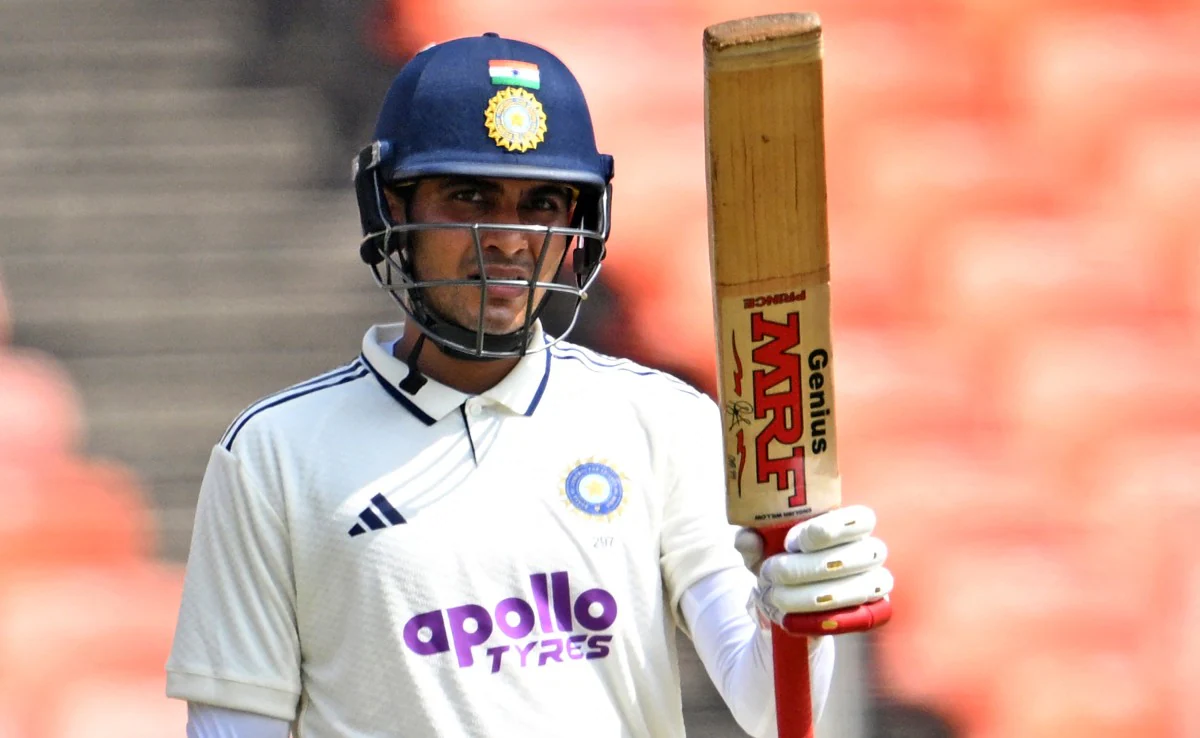
Shubman Gill Early Draw Decision gets support from Sunil Gavaskar, who explains why India had little chance of taking five wickets against New Zealand.
The Shubman Gill Early Draw Decision in the first Test against New Zealand has sparked discussion among cricket fans. However, former India captain and legendary batter Sunil Gavaskar believes Gill made the right call by ending the match early. According to Gavaskar, India’s chances of taking the remaining five wickets were extremely low, considering the way New Zealand’s batters were playing and the condition of the pitch.
The opening Test of the series between India and New Zealand ended in a draw after five days of competitive cricket at the Basin Reserve in Wellington. Both teams had their moments during the match, but New Zealand managed to hold their ground on the final day and prevent India from securing a victory.
How Did the First Test Between India and New Zealand Unfold?
New Zealand started the match with the bat and posted 368 runs in their first innings. India responded strongly, putting together an impressive total of 720 runs before declaring their innings.
This gave the visitors a substantial first-innings lead of 352 runs and put New Zealand under considerable pressure heading into their second innings.
However, the hosts produced a determined batting performance on the final day. Their batters resisted India’s bowling attack and gradually moved the contest towards a draw.
With approximately an hour remaining and New Zealand having five wickets in hand, Indian captain Shubman Gill decided to offer a handshake, bringing the contest to an early conclusion.
Sunil Gavaskar Explains Why Gill Made the Right Call
Reacting to the Shubman Gill Early Draw Decision, Sunil Gavaskar explained that India had little chance of taking five wickets in the remaining time.
Speaking on Sony Sports Network, Gavaskar pointed towards the impressive batting displayed by Glenn Phillips and Daryl Mitchell. He felt their resistance had made it extremely difficult for Indian bowlers to create further opportunities.
Gavaskar also acknowledged that India could have continued playing for another 15 overs. However, he questioned whether extending the game would have made any meaningful difference.
According to the former India batter, the additional overs would have placed extra demands on the bowlers without necessarily improving India’s chances of winning.
also read;- South Africa Vs Bangladesh Test Match: Proteas Dominate…
Flat Pitch Made It Difficult for Indian Bowlers
Another important factor highlighted by Gavaskar was the condition of the pitch. He explained that the surface had become extremely flat by the fifth day, offering very little assistance to the Indian bowling attack.
While taking five wickets in a few hours is certainly possible in Test cricket, Gavaskar believed the conditions and batting approach made such a comeback unlikely.
He also suggested that Daryl Mitchell, who was batting on 49 at the time, had a better chance of reaching his half-century than New Zealand losing all five remaining wickets.
The legendary batter maintained that there was little indication of a dramatic turnaround during the final stages of the match.
Was Shubman Gill Right to End the Match Early?
The Shubman Gill Early Draw Decision can be viewed from two different perspectives. On one hand, India still had five New Zealand wickets to take, and Test cricket has witnessed several unexpected results in its final sessions.
On the other hand, the remaining time was limited, the pitch was offering minimal assistance to bowlers, and New Zealand’s batters were looking comfortable at the crease.
Gavaskar’s comments suggest that Gill prioritised the practical situation rather than continuing with an unlikely attempt to force a result.
Ultimately, the first Test ended without a winner, but the Shubman Gill Early Draw Decision received support from one of Indian cricket’s most respected voices. His assessment highlights how pitch conditions, remaining time and the opposition’s batting performance can influence important decisions in Test cricket.
For More Hindi News: http://newz24india.com