
Discover how a consistent bedtime routine for children boosts brain development, memory, language skills, and emotional well-being. Learn expert tips here.
A consistent bedtime routine for children does far more than help them fall asleep on time. Experts reveal that a well-structured bedtime routine plays a vital role in shaping a child’s brain, influencing memory, behaviour, language skills, and long-term cognitive growth. The simple habits parents establish today can become the foundation for lifelong better sleep and sharper brain function.
Parents often treat a bedtime routine as a mundane evening task—brush teeth, change into pyjamas, switch off the lights. However, neuroscience shows that predictable bedtime routines create a sense of security, regulate emotions, and help children process the day’s learning. According to paediatric specialists, consistency in bedtime routines not only improves sleep but also strengthens the brain’s prefrontal cortex, which is responsible for attention, impulse control, and decision-making.
Why a Bedtime Routine Matters for Brain Development
Dr Vinaya Padmanabha, MBBS, DCH, DNB, Apollo Cradle and Children’s Hospital, Bengaluru, explains that early childhood is a period of rapid brain growth. Millions of neural connections are formed every second, and a steady bedtime routine for children sends a predictable cue to the brain, preparing it for deep, restorative sleep. Dimmed lights, quiet activities, and familiar steps regulate melatonin release, supporting memory consolidation and learning.
“During deep sleep, the brain strengthens neural pathways, consolidates memories, and releases growth hormone. Synaptic pruning removes redundant connections, giving room for stronger, more efficient neural networks,” says Dr Padmanabha. Following a consistent bedtime routine also leads to better emotional stability, reduced tantrums, and improved morning energy.
Boosts Learning, Memory, and Language Skills
Research indicates that children with consistent bedtime routines show enhanced:
-
Vocabulary development
-
Early literacy skills
-
Working memory
-
Cognitive flexibility
A structured bedtime routine helps the brain store information effectively, making it easier for children to recall what they have learned during the day.
also read:- Can Cold Weather Trigger Arthritis Flare-Ups? Myths and…
Provides a Sense of Security
Predictability is comforting for young children. Warm baths, calm storytelling, soft music, and gentle hugs form part of a bedtime routine for children that communicates safety, resilience, and self-esteem. These rituals also reduce nighttime anxiety and resistance, making bedtime a positive experience for the child.
Best Practices for a Bedtime Routine
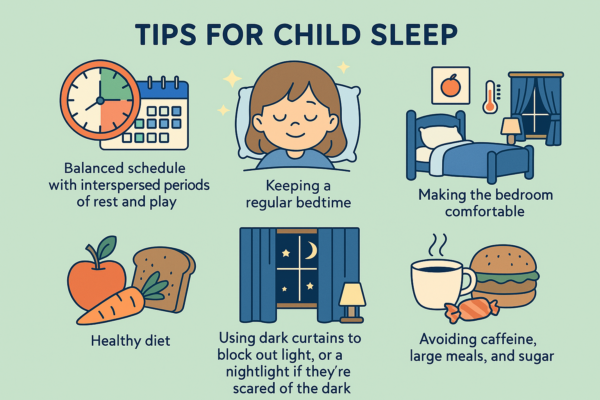
Experts suggest the following for an effective bedtime routine for children:
-
Calm storytelling
-
Soothing music or white noise
-
Mindfulness or breathing exercises
-
Gentle stretches or warm baths
-
Screen-free wind-down time
The key is not perfection but consistency. Even a 20-minute bedtime routine can make a significant difference in sleep quality and overall brain development. Parents who prioritize a structured bedtime routine help their children grow smarter, healthier, and emotionally resilient.
For More Hindi News: http://newz24india.com