
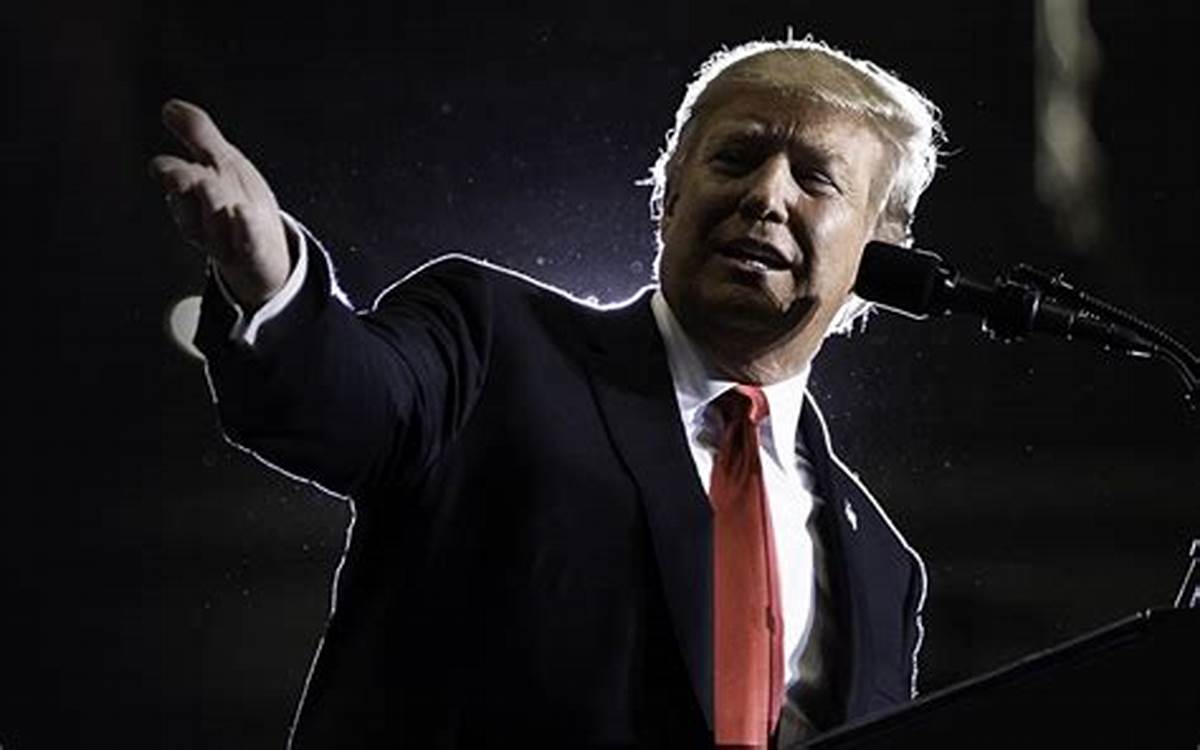
Trump’s Tariffs on Hold – India Targets $2 Trillion Exports as U.S. Tariff Clock Ticks
New Delhi | 25 April 2025 — With U.S. President Donald Trump announcing a fresh wave of “reciprocal” tariffs earlier this month and subsequently pausing them for 90 days, the Indian government finds itself in a crucial window of opportunity. The question now is whether New Delhi can utilize this brief pause to fortify its trade strategy, implement critical reforms, and insulate its economy from the ripple effects of an evolving global trade war sparked by U.S. tariffs.
90 Days to Act: India Navigates Uncertainty in Global Trade
On April 2, Trump announced a sweeping set of tariffs aimed at countries with which the U.S. runs trade deficits. Though the measures were put on hold just a week later, they signal renewed volatility in global trade relations. India, while not directly in the crosshairs of the U.S. tariffs for now, cannot remain complacent.
Officials at Vanijya Bhawan, home to India’s Commerce and Industry Ministry, have been working overtime. In recent weeks, trade talks have intensified with over 10 countries, including the U.S., EU members, and Indo-Pacific partners. As the global mood shifts from multilateralism to protectionism, the urgency for India to secure stable trade relationships in light of U.S. tariffs has never been higher.
India Rethinks Trade Priorities Amid Tariff Uncertainty
Finance Minister Nirmala Sitharaman’s 2025-26 Budget positioned exports as one of the four growth pillars for the Indian economy. But to truly deliver on the promise of becoming a global manufacturing powerhouse, India needs more than just targets. Currently, the country’s goods exports make up only 12% of GDP—far behind China’s 20%. The government has set a bold target: $2 trillion in exports by 2030, split equally between goods and services.
This 90-day window gives India a chance to fast-track policy changes. Analysts suggest that expanding the Production Linked Incentive (PLI) scheme, cutting red tape, easing trade infrastructure bottlenecks, and accelerating FTA negotiations should be at the top of the agenda.
Trade Talks in Overdrive
Commerce Minister Piyush Goyal has been actively leading negotiations for new Free Trade Agreements (FTAs). So far, India has signed comprehensive FTAs with 13 countries, including the UAE and Japan, and has an interim agreement with Australia. Talks have restarted with the UK and New Zealand, and a deal with the European Union is also in the pipeline.
“India’s trade policy is shifting from defensive to offensive,” said a senior ministry official. “The pause in tariffs gives us breathing room to recalibrate our strategy, complete long-pending agreements, and look at new market access.”
While this temporary relief from U.S. tariffs is welcome, the risk of the U.S. implementing the tariffs later in the year still looms. Economists warn that if the U.S. goes through with the tariffs, it could dampen global trade sentiment and push several economies—especially those heavily dependent on exports—into a slowdown.
A recession in the U.S. would hurt Indian exporters, even with domestic consumption remaining strong. The external shock of U.S. tariffs could derail India’s medium-term growth targets.
Strategic Response Required
To mitigate these risks, industry leaders are urging the government to act swiftly. Recommendations include:
-
Diversifying export destinations to reduce over-reliance on Western markets
-
Investing in quality control and certification standards to enhance global competitiveness
-
Strengthening logistics and warehousing to support supply chain resilience
-
Improving ease of doing business for MSMEs engaged in export
For More: China’s Response to Trump’s Tariffs: A Warning for Global Trade Partners