
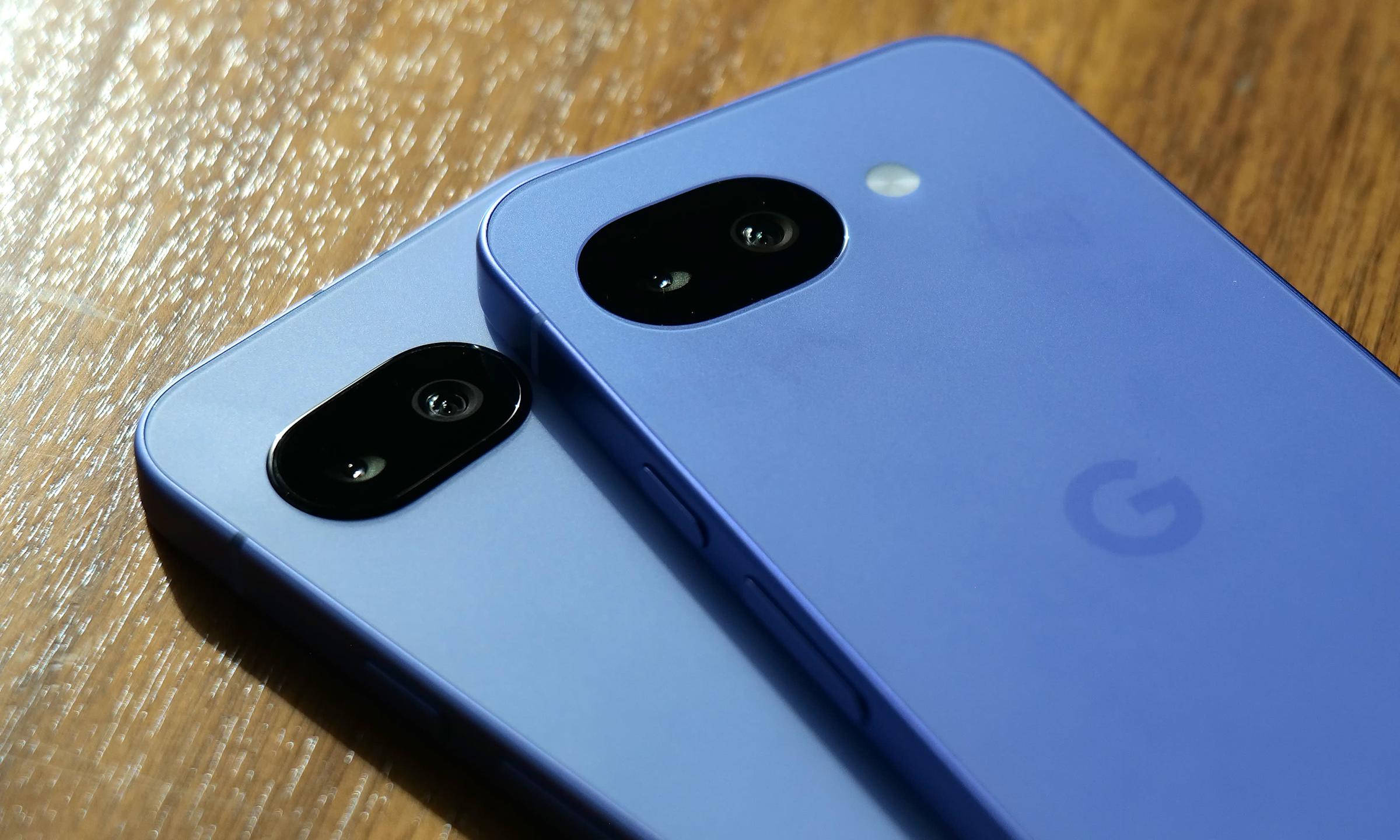
Google Pixel 10a vs Pixel 9a comparison: Discover key differences in display, camera, battery, and new Satellite SOS feature. Find out which phone is worth buying.
Google has officially launched the Pixel 10a in India, positioning it alongside last year’s Pixel 9a in the mid-range smartphone segment. Both devices carry the same ₹49,999 price tag, but the Pixel 10a introduces subtle improvements aimed at enhancing the user experience. Let’s break down the differences between the Pixel 10a and Pixel 9a to help buyers decide which model is right for them.
Design and Display
At first glance, the Pixel 10a looks almost identical to the Pixel 9a. Both smartphones feature a 6.3-inch OLED display with an adaptive refresh rate ranging from 60Hz to 120Hz.
However, Google has improved the durability of the Pixel 10a with Gorilla Glass 7i, replacing the Gorilla Glass 3 used on the Pixel 9a. This upgrade provides better protection against scratches and accidental drops.
Brightness levels have also increased, with the Pixel 10a offering 2,000 nits for HDR content and 3,000 nits peak brightness, compared to the Pixel 9a’s 1,800 nits HDR and 2,700 nits peak. The higher contrast ratio of over 2,000,000:1 on the Pixel 10a ensures deeper blacks in videos and photos, enhancing visual clarity in outdoor lighting conditions.
also read:- Vivo V70 and V70 Elite: Vivo launched its V70 series 5g…
Performance and Software
Both models are powered by Google’s Tensor G4 processor paired with 8GB RAM. Storage options remain unchanged, ensuring similar performance for everyday tasks, gaming, and multitasking.
The Pixel 10a runs Android 16 out of the box, while the Pixel 9a continues to receive updates, maintaining Google’s promise of seven years of OS and security support. For users, this means core performance and long-term software reliability are nearly identical between the two devices.
Camera Features
The hardware for both devices is largely unchanged. Each phone includes a 48MP primary camera and a 13MP ultra-wide lens, without a dedicated telephoto sensor.
The Pixel 10a, however, brings several software enhancements:
Camera Coach – On-screen guidance for better framing.
Macro Focus – Improved close-up photography with enhanced focus control.
Auto Best Take – Combines the best expressions from multiple shots to create the perfect photo.
These software tools provide practical improvements for photography without altering the camera hardware.
Battery and Charging
Both phones house a 5,100mAh battery and support 23W wired charging. The Pixel 10a improves wireless charging from 7.5W on the Pixel 9a to 10W, slightly reducing charging time with compatible Qi chargers.
New Features: Satellite SOS
One notable addition to the Pixel 10a is Satellite SOS, allowing users to contact emergency services via satellite in areas with no cellular or Wi-Fi coverage. This feature is absent on the Pixel 9a and could be a deciding factor for frequent travelers or outdoor enthusiasts.
Should You Upgrade?
For existing Pixel 9a owners, upgrading may not be essential, as performance and core camera hardware remain the same. However, first-time buyers or those choosing between the two models at the same price might prefer the Pixel 10a due to its brighter display, improved glass protection, enhanced camera software, and Satellite SOS functionality.
While the Pixel 10a doesn’t revolutionize the experience, it offers incremental upgrades that enhance usability and practicality, making it a slightly more compelling choice in the mid-range segment.
For More Hindi News: http://newz24india.com