
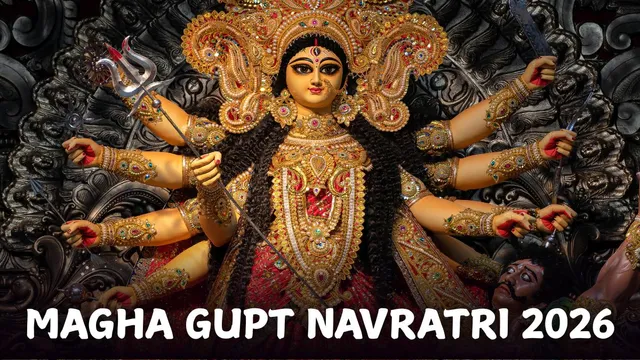
Gupt Navratri 2026 begins on January 19. Check Ghatasthapana timings, rituals, significance, and who should observe this hidden Navratri for spiritual growth and inner strength.
Gupt Navratri 2026, a sacred period for spiritual seekers, begins today, January 19, and will continue until January 28. Unlike the more widely celebrated Chaitra and Sharad Navratris, Gupt Navratri is observed quietly, focusing on inner worship, meditation, and mantras rather than public festivities.
Dates and Duration of Gupt Navratri 2026
Gupt Navratri occurs twice a year during the months of Magh and Ashadha. In 2026, the Magh Gupt Navratri starts on January 19 and concludes on January 28. Ashtami will be observed on January 26, Navami on January 27, and the festival ends on January 28 with the completion of the fast.
Ghatasthapana Timings for Gupt Navratri 2026
Ghatasthapana, the ritual of invoking the Goddess, marks the formal beginning of Navratri. The auspicious timings for 2026 are:
-
Ghatasthapana Shubh Muhurat: January 19, 7:14 AM to 10:46 AM
-
Abhijit Muhurat: January 19, 12:11 PM to 12:53 PM
-
Pratipada Tithi: January 19, 1:21 AM to January 20, 2:14 AM
What is Gupt Navratri and Why Is It Observed Secretly?
Gupt Navratri literally means “hidden Navratri.” Unlike public celebrations of other Navratris, this festival is observed privately, primarily by spiritual aspirants. Worship and rituals are performed discreetly, emphasizing mantra sadhana, meditation, and spiritual focus. Devotions performed in secrecy are believed to carry immense spiritual potency, removing obstacles and enhancing personal power.
Spiritual Significance of Gupt Navratri
Rooted in tantric and Shakti traditions, Gupt Navratri emphasizes inner strength and subtle spiritual transformation. Devotees focus on worshipping Goddess Durga in her mystical forms, including the ten Mahavidyas: Kali, Tara, Tripura Sundari, Bhuvaneshwari, Chhinnamasta, Bhairavi, Dhumavati, Baglamukhi, Matangi, and Kamala. Observing this period is considered highly auspicious for personal clarity, overcoming obstacles, and boosting the power of karma rather than seeking fame or public recognition.
also read:- Jaipur Literature Festival 2026: Complete Guide to Dates,…
Who Should Observe Gupt Navratri
Gupt Navratri is ideal for:
-
Spiritual practitioners and seekers
-
Individuals facing prolonged struggles or uncertainties
-
Devotees inclined towards meditation, mantra chanting, and disciplined sadhana
-
Those seeking inner strength, self-realization, and spiritual growth
Rituals and Practices During Gupt Navratri
Devotees traditionally follow a disciplined routine during the nine days:
-
Wake up early, bathe, and wear clean clothes
-
Perform Kalash Sthapana and set up a chowki on the first day
-
Offer flowers, bhog, and chunri to the Goddess
-
Recite Durga Chalisa or Durga Saptashati daily
-
Chant mantras and perform morning and evening aarti
-
Observe fasting with satvik foods and minimal indulgence
Dos and Don’ts During Gupt Navratri
Do:
-
Maintain silence or minimal speech
-
Practice meditation and mantra chanting
-
Follow a satvik diet and positive conduct
Don’t:
-
Engage in excessive socializing or public rituals
-
Consume tamasik foods or alcohol
-
Break the discipline or daily routine
Gupt Navratri 2026 is a unique period for deep introspection and spiritual renewal, reminding devotees that true transformation often occurs away from public attention.
For More Hindi News:- http://newz24india.com