
Haryana Delimitation and Women Reservation to increase Lok Sabha seats to 15 and Assembly seats to 120. See how Gurugram and Faridabad will lead this change.
The political landscape of Haryana is on the brink of a historic transformation. Following the central government’s accelerated push for the 33% women’s reservation, the upcoming Haryana Delimitation and Women Reservation process is set to significantly expand the state’s legislative representation. By 2029, Haryana is expected to see its Lok Sabha strength jump from 10 to 15 members, while the State Assembly will grow to nearly 120 seats.
The Shift in Legislative Numbers
The implementation of women’s reservation is intrinsically linked to the new delimitation commission. Under the proposed restructuring, the total number of Lok Sabha seats in India is projected to rise to 850.
For Haryana, this means a substantial upgrade. Currently holding 1.89% of the total seats (10 out of 543), maintaining this ratio in a larger house will grant the state 15 MPs. Out of these, 5 seats will be strictly reserved for women. Similarly, the Haryana Delimitation and Women Reservation impact on the State Assembly will see seats increase from 90 to 119 or 120, with 40 seats reserved for female legislators.
Urban Centers to Gain Maximum Representation
The census-based restructuring will favor high-population urban districts. According to the demographic shifts observed since 2011, four major districts will see the highest surge in new constituencies:
Faridabad: Population over 1.8 million.
Gurugram: Population over 1.5 million.
Karnal & Sonipat: Combined population exceeding 2.9 million.
This shift suggests that Haryana’s political gravity, traditionally rooted in rural heartlands, will move toward urban centers. This change, triggered by Haryana Delimitation and Women Reservation, poses a strategic challenge for regional parties that have historically relied on rural vote banks.
also read:- Chief Minister Nayab Singh Saini Meets US And Japan…
Need for a New Vidhan Sabha Building
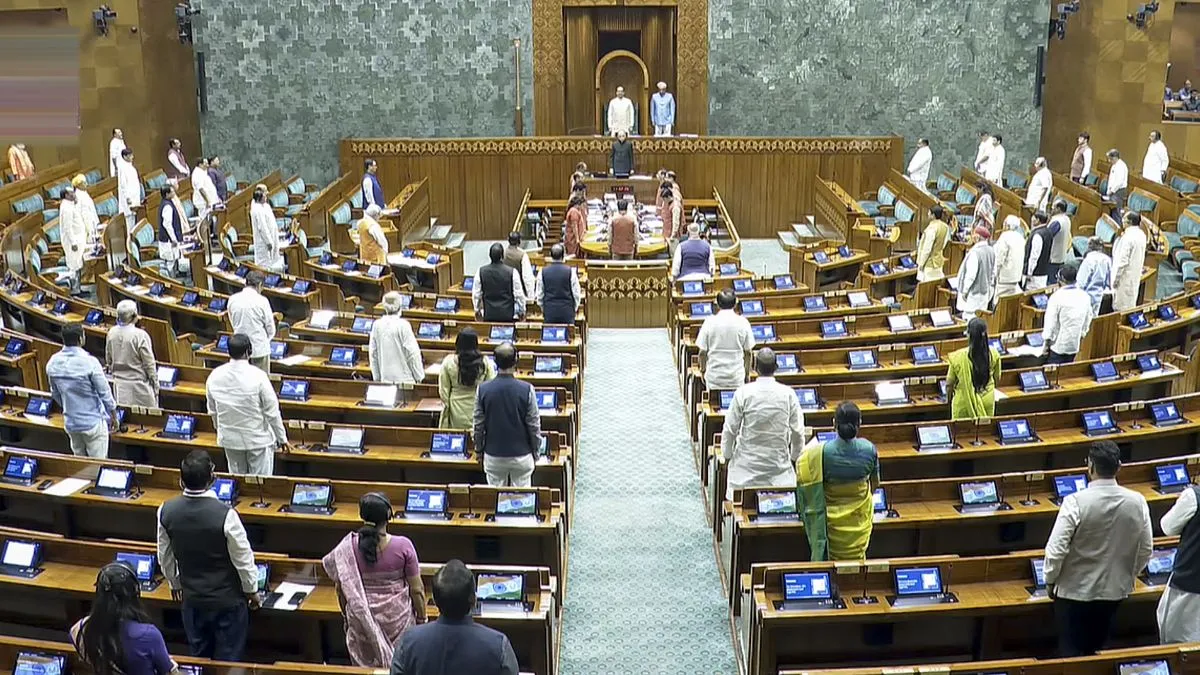
With the influx of new legislators, the current Haryana Assembly building in Chandigarh will no longer be sufficient. The existing infrastructure lacks the space to accommodate 120 MLAs along with the necessary administrative staff and media galleries.
Plans for a new Vidhan Sabha building have been in the works for years. During the tenure of former Speaker Gian Chand Gupta, talks with the Chandigarh administration for land exchange reached final stages. The urgency of Haryana Delimitation and Women Reservation has now made the construction of this new facility a top priority before the 2029 elections.
A New Era of Political Empowerment
The buzz across the state is palpable as every third seat in the parliament and assembly will soon be represented by a woman. Beyond just numbers, the Haryana Delimitation and Women Reservation act represents a shift toward more inclusive and urban-centric governance.
As the borders of constituencies are redrawn, the state prepares for a future where urban infrastructure and women’s leadership take center stage in Haryana’s journey toward 2030.
For More Hindi News: http://newz24india.com