
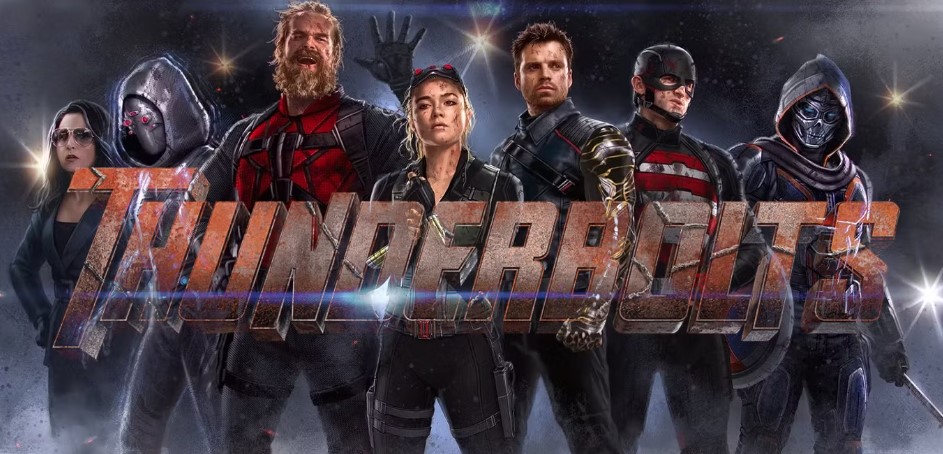
Marvel Cinematic Universe Returns Strong with Thunderbolts
The Marvel Cinematic Universe (MCU) is finally reclaiming its spark with the release of Thunderbolts, a film that marks the franchise’s most engaging and fun outing since the iconic Infinity Saga. Starring Florence Pugh and Sebastian Stan, Thunderbolts signals a bold new direction for Marvel, ditching its traditional moral compass in favor of morally ambiguous antiheroes.
ALSO READ: Captain America: Brave New World — Disney+ Release Date & Streaming Time
MCU’s Comeback with Thunderbolts
For years, Marvel’s Phase 1 heroes like Iron Man, Thor, and Captain America captivated audiences with their clear-cut battles between good and evil, defined by sacrifice, honor, and redemption. However, following the epic conclusion of Avengers: Endgame, Marvel struggled to find new heroes who could command the same charisma and emotional investment from fans.
Directed by Jake Schreier, Thunderbolts brings a fresh jolt to the MCU — messy, unpredictable, and deeply human. The film focuses on a group of antiheroes: Bucky Barnes wrestling with his dark past, Yelena Belova balancing wit and emotional wounds, Red Guardian clinging to outdated ideals, and Ghost haunted by trauma. Rather than uniting over a common cause, their alliance is forged through shared pain and ambiguous motivations, marking a distinct shift away from Marvel’s previous moral clarity.
This pivot embraces the antihero archetype fully on the big screen. While Marvel films have previously hinted at complexity—Tony Stark’s arrogance, Loki’s shifting loyalties, Wanda Maximoff’s grief—the resolution often reaffirmed heroic ideals. Thunderbolts breaks that mold, reflecting a broader cultural appetite for heroes who are flawed, conflicted, and morally grey.
Thunderbolts Marvel Phase 5 Shift to Darker, More Complex Heroes
Marvel’s darker tonal shift began during Phase 4, exploring the emotional fallout of its universe-changing events. Shows like WandaVision, The Falcon and the Winter Soldier, Moon Knight, and Loki delved into themes of loss, trauma, identity, and destiny, proving Marvel’s capacity for introspective storytelling beyond action spectacle.
Thunderbolts Marvel Phase 5 continues this reinvention. Alongside Thunderbolts, characters like Deadpool, known for his chaotic morality, and Blade, a vampire hunter with a grim worldview, now lead Marvel’s narrative charge. This new wave brings a “darker, weirder, and a bit more grown-up” tone—reflecting not only the evolving audience, who have aged alongside the MCU, but also the franchise’s need to refresh itself in the absence of iconic figures like Captain America and Iron Man.
With Robert Downey Jr. reportedly returning as a villain and no clear successor to Steve Rogers, Marvel is turning to these complex antiheroes to carry the torch forward. Deadpool’s irreverence, Blade’s shadowy mission, and the Thunderbolts’ imperfect team dynamics may well be the MCU’s saving grace in an increasingly predictable superhero landscape.
This evolution echoes a wider trend in popular storytelling, where audiences gravitate toward nuanced, conflicted characters who grapple with real-world complexities. Shows like The Boys, The Umbrella Academy, and Peacemaker have paved the way for such narratives, and Thunderbolts firmly plants Marvel in this territory.
By moving beyond the simple binary of good versus evil, the MCU has opened new creative possibilities. The era of squeaky-clean superheroes may be fading, replaced by heroes who fight with dirt under their nails and blood on their knuckles—still champions of justice, but on their own complicated terms.
To Read More in Hindi: https://newz24india.com/