
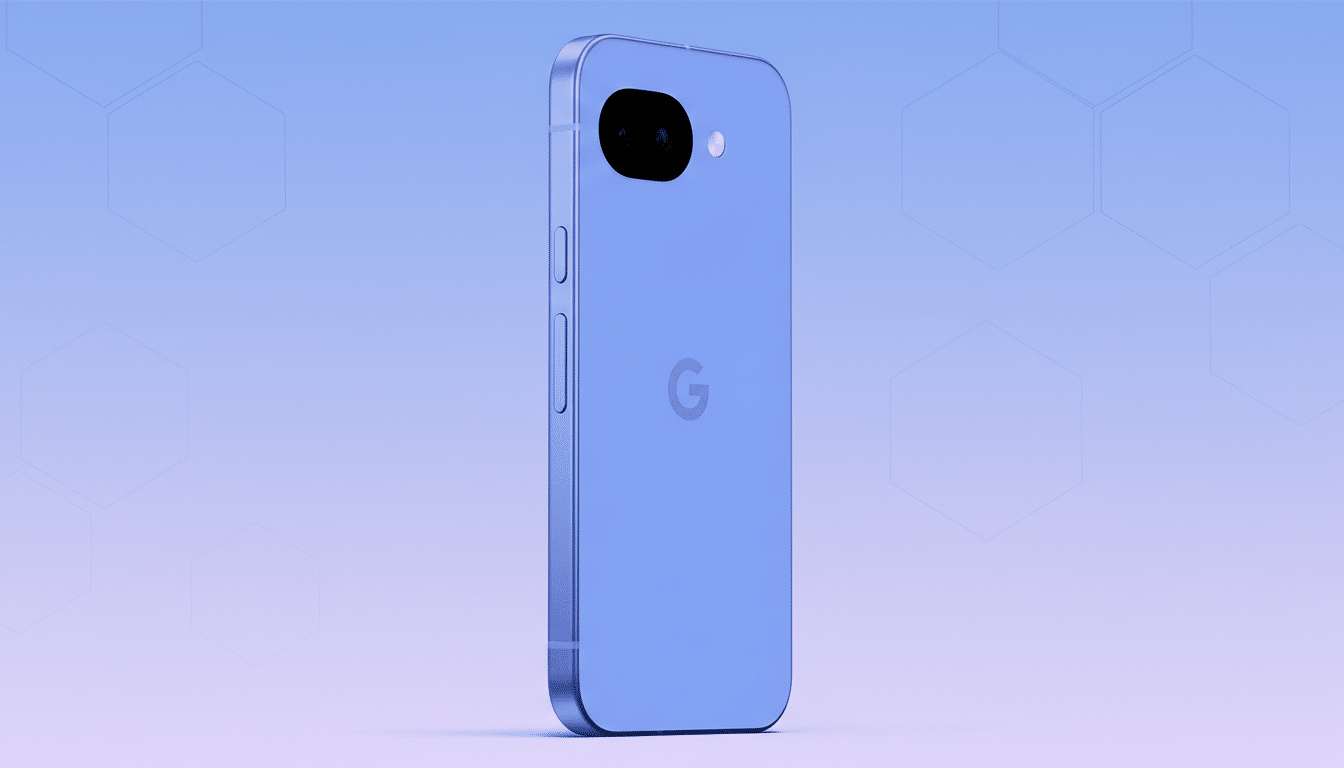
Pixel 10a battery will slow down charging and reduce capacity over time with mandatory Battery Health Assistance. Users cannot disable this feature, ensuring safety and longevity.
Google has officially confirmed that the upcoming Pixel 10a battery will automatically slow down charging and reduce capacity over time, thanks to its mandatory Battery Health Assistance feature. Unlike earlier models, this feature on the Pixel 10a cannot be disabled, ensuring long-term battery safety but limiting user control.
How Pixel 10a Battery Health Assistance Works
The Pixel 10a battery comes equipped with Battery Health Assistance, first introduced on older Pixel devices in 2025. This software system is designed to manage battery wear as the device ages. It gradually throttles charging speed and reduces effective battery capacity based on completed charging cycles.
Google explained that the process begins around 200 charging cycles and intensifies gradually. By the time the Pixel 10a battery reaches approximately 1,000 cycles, maximum software-based throttling is applied. This is in addition to the natural lithium-ion degradation most smartphones experience over time.
also read:- iQOO Z11x 5G Launched in India: Price, Specs, Camera,…
Mandatory Feature on Pixel 10a
While earlier Pixel devices allowed users to disable battery management, the Pixel 10a battery feature is permanently active. Google confirmed in a recent media briefing that there is no option to turn it off. This approach follows issues seen in older Pixel A-series devices, such as overheating and swelling in certain Pixel 4a, 6a, and 7a units.
Why Google Introduced This Feature
The decision to make Battery Health Assistance mandatory is largely influenced by past battery reliability concerns. By actively controlling charging speed and battery wear, Google aims to prevent overheating, fires, and long-term capacity issues. Users of the Pixel 10a may notice slower charging and reduced usable battery over time, but these measures improve safety and device longevity.
Comparison With Industry Practices
Currently, Google’s approach is not widely adopted in the smartphone industry. Brands like Motorola rely on methods such as Overcharge Protection, which stops charging once the battery reaches a certain level, rather than gradually limiting capacity. The Pixel 10a battery system is unique in its software-driven throttling, prioritizing long-term battery stability over immediate performance.
For More Hindi News:-newz24india.com