
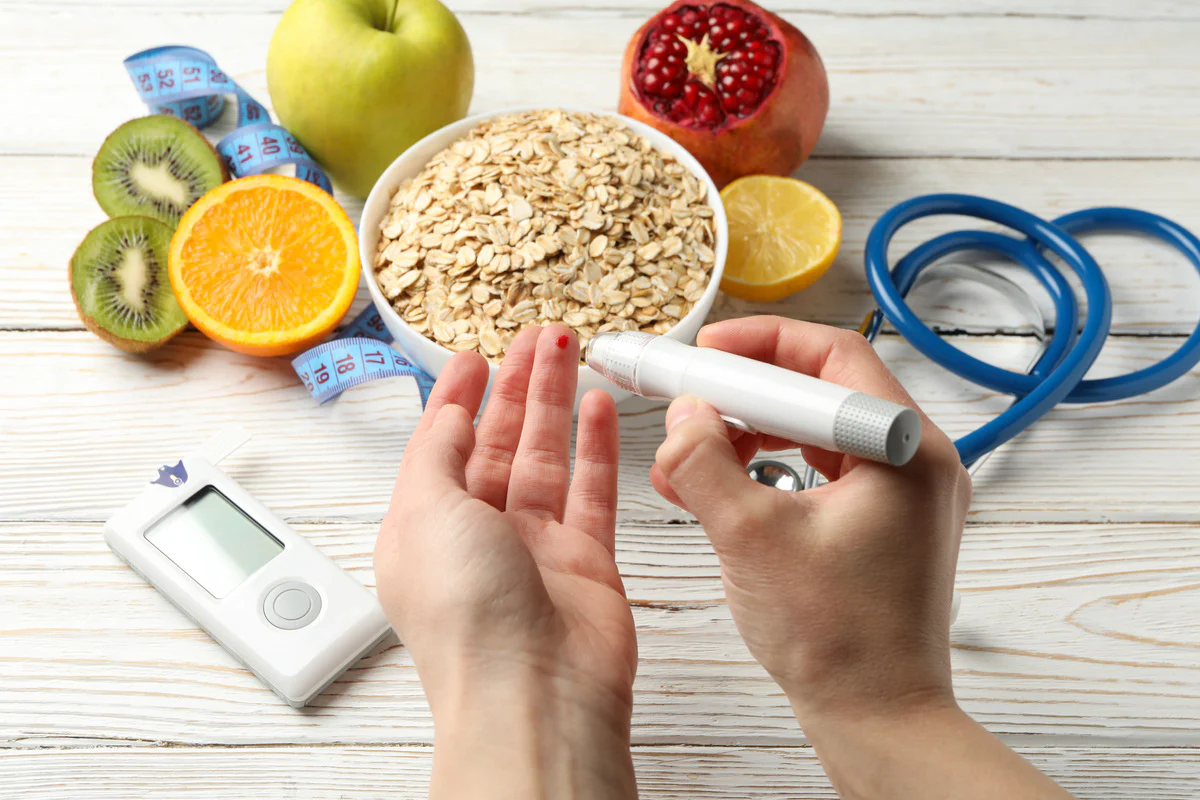
Discover how probiotics can support diabetes management by improving gut health, enhancing insulin sensitivity, stabilizing blood sugar, and reducing inflammation for better overall metabolic health.
Managing diabetes goes beyond monitoring sugar, carbohydrates, and medications. An often-overlooked factor is gut health, which plays a crucial role in controlling blood sugar, reducing inflammation, and supporting overall metabolic wellness. Probiotics, the beneficial bacteria in our gut, are increasingly recognized as key allies in holistic diabetes management.
Understanding Probiotics and the Gut Microbiome
Probiotics are live beneficial bacteria that help maintain a healthy balance in the gut. People with diabetes or insulin resistance often experience gut imbalances, which can lead to chronic inflammation, blood sugar fluctuations, and disrupted insulin signaling. By restoring a healthier gut microbiome, probiotics create a supportive internal environment that enhances glucose regulation.
How Probiotics Enhance Insulin Sensitivity
Probiotics improve insulin sensitivity by strengthening the gut lining. A healthy gut ensures proper nutrient absorption and prevents toxins from entering the bloodstream. When the gut barrier is compromised, it triggers chronic inflammation, making it harder for cells to respond to insulin. Probiotics help restore gut integrity, reduce inflammation, and support smoother post-meal blood sugar responses. Certain probiotics, like Akkermansia, have been linked specifically to blood sugar regulation.
also read: how-holiday-sugar-affects-metabolism-christmas-desserts-tips
Probiotics for Stable Blood Sugar Levels
Probiotics also influence how carbohydrates are metabolized and how glucose is released into the bloodstream. Beneficial bacteria can slow glucose absorption, preventing sugar spikes and crashes. This not only helps stabilize blood sugar but also supports weight management, appetite control, and sustained energy levels—key components of effective diabetes care.
Moreover, probiotics help reduce systemic inflammation, which is a significant contributor to diabetes-related complications. By producing compounds that calm the immune system, probiotics lower inflammatory markers and support metabolic health, potentially reducing issues like fatigue, digestive problems, and frequent infections over time.
Natural Sources of Probiotics
Probiotics can be naturally incorporated through foods like curd, A2 yogurt, kefir, fermented vegetables, and traditional preparations like kanji. For individuals with persistent gut issues or those on medications that affect gut bacteria, targeted probiotic supplements may also be beneficial.
Probiotics as Part of a Holistic Diabetes Strategy
While probiotics are valuable, they do not replace a balanced diet, physical activity, or medical care. They work best as part of a holistic approach that includes protein-rich foods, fiber, healthy fats, proper sleep, and stress management. Even small lifestyle changes, like supporting gut health with probiotics, can lead to significant long-term benefits in blood sugar control and overall well-being.
In conclusion, probiotics are a natural, simple, and effective tool to enhance insulin sensitivity, stabilize blood sugar, reduce inflammation, and complement traditional diabetes management strategies.
For More Hindi News: http://newz24india.com