
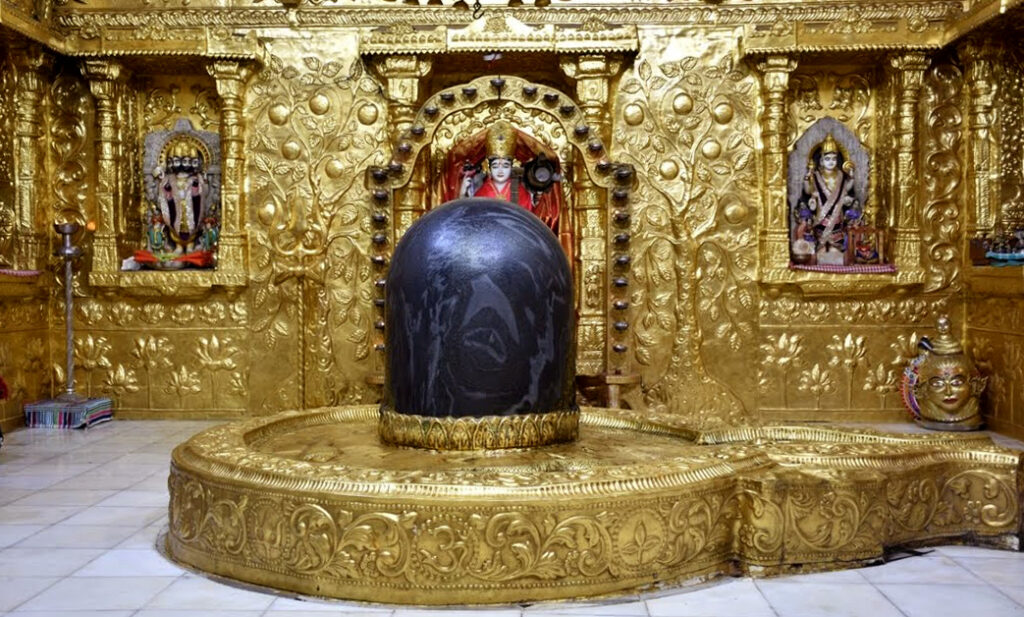
Discover the origin and significance of Shivling in Hinduism. Learn the sacred Shivling Katha and its spiritual importance in Sanatan Dharma.
Shivling holds a special place in Sanatan Dharma and is revered as a symbol of Lord Shiva. Performing rituals and abhishek (holy bathing) of the Shivling is believed to invoke the blessings of Mahadev, bringing prosperity, peace, and protection from all troubles in life. Let’s explore the story behind the origin of Shivling.
The Significance of Shivling Worship
In Hinduism, worshiping the Shivling is considered highly auspicious. It is regarded as the embodiment of Lord Shiva himself. Devotees believe that daily Shivling puja can help overcome obstacles and ensure peace and harmony at home. However, many are curious about how and when the Shivling originated.
also read:- Vivah Panchami 2025: Date, Udaya Tithi, Puja Rituals, and…
The Origin of Shivling According to Puranic Texts
According to the first section of the Shiv Puran, chapter nine, the origin of Shivling is closely linked to a legendary story. Once, Lord Vishnu and Lord Brahma had a dispute over who was the more powerful deity. This argument quickly spread among the gods and sages, prompting them to seek Lord Shiva’s judgment.
Lord Shiva, aware of the ongoing dispute, instructed them that the first one to reach the end of a radiant, infinite light emerging from his form would be declared the supreme. Vishnu and Brahma agreed to this challenge. As the radiant light extended toward the heavens and the netherworld, neither Vishnu nor Brahma could reach its end.
Lord Vishnu admitted his inability to reach the light and sought Shiva’s forgiveness. Brahma, however, lied and claimed he had reached the end of the light. Lord Shiva, aware of the deceit, declared Vishnu as the supreme deity. The radiant light from Shiva’s form was then revered and worshiped as the Shivling, symbolizing his infinite and formless essence.
For More Hindi News: http://newz24india.com