
The Last of Us Season 2 Episode 4 Review: Jeffrey Wright’s Isaac Brings Depth
Episode 4 of The Last of Us Season 2, titled “Secrets,” has officially premiered, and it’s already stirring both critical acclaim and viewer debate. As tensions rise within the narrative, the introduction of Jeffrey Wright as Isaac, the leader of the Washington Liberation Front (WLF), adds a darker dimension to an already complex storyline.
While critics are applauding the episode for its gritty storytelling and emotional weight, fans online appear split over its pacing and focus. Some have hailed it as the season’s most impactful entry yet, while others feel the plot took a detour from the central duo—Ellie and Abby.
The Last of Us Season 2 Episode 4: Isaac’s Debut
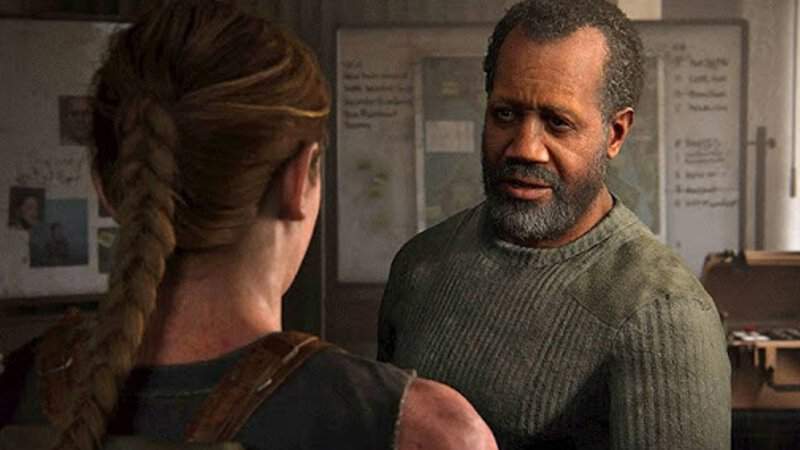
Wright, reprising his role from The Last of Us Season 2 video game, delivers a haunting performance. His first full appearance in the series is marked by a chilling opening sequence, depicting Isaac’s violent defection from FEDRA to the WLF. With minimal dialogue and a commanding screen presence, Wright sets the tone for the episode’s emotional and moral ambiguity.
Critics praised this bold storytelling choice. The New York Times wrote, “Unlike last week, all the charming chitchat is balanced with harrowing action.” The tension between personal loyalty and militant ideology is explored through Isaac’s character, deepening the show’s ongoing themes of war, trauma, and survival.
Critics Praise the Emotional Complexity
Media outlets including Collider and CBR noted how the episode blends horror with beauty in ways few series dare attempt. One standout subplot involves a tender queer romance unfolding in the middle of a war zone—providing a stark contrast to the brutal violence between the Seraphites and the WLF.
“While this episode shows the light and beauty that can still exist in this world… it also confirms just how immensely dark this world can be,” wrote Collider, referring to the escalating conflict between the two warring factions.
CBR added, “The episode isn’t bad by any means; on its own, it balances the repulsive war crimes of the WLF and a beautiful queer love story without appearing tonally asymmetrical. But Season 2 also only consists of seven episodes,” pointing to growing concerns about narrative compression.
Wright, reprising his role from The Last of Us Season 2 video game, delivers a haunting performance. His first full appearance in the series is marked by a chilling opening sequence, depicting Isaac’s violent defection from FEDRA to the WLF. With minimal dialogue and a commanding screen presence, Wright sets the tone for the episode’s emotional and moral ambiguity.
Critics praised this bold storytelling choice. The New York Times wrote, “Unlike last week, all the charming chitchat is balanced with harrowing action.” The tension between personal loyalty and militant ideology is explored through Isaac’s character, deepening the show’s ongoing themes of war, trauma, and survival.