
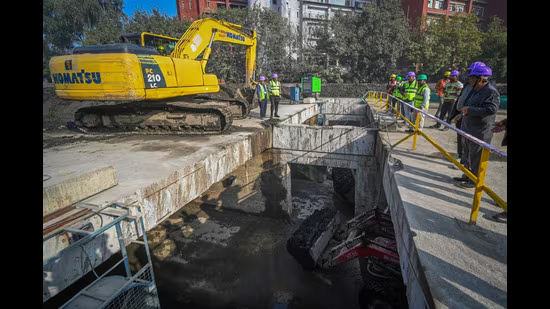
Delhi CM Rekha Gupta inspects Sunehri drain desilting work and reviews Barapullah Phase-3 flyover construction to tackle waterlogging and improve traffic flow before monsoon.
Delhi Chief Minister Rekha Gupta on Tuesday carried out an on-site inspection of the desilting work underway at the Sunehri drain in south Delhi and assessed the progress of the long-pending Barapullah Phase-3 flyover project. The visit focused on accelerating infrastructure work ahead of the monsoon and addressing chronic waterlogging and traffic congestion issues in the capital.
Focus on Monsoon Preparedness at Sunehri Drain
The Sunehri drain, a key supplementary water channel in south Delhi, has been a major cause of flooding in nearby residential areas during the rainy season. Officials said the ongoing desilting operation spans nearly one kilometre, with an estimated 50,000 metric tonnes of silt targeted for removal. So far, around 14,000 metric tonnes have already been cleared.
“The drain has accumulated excessive silt over the years, which has worsened waterlogging during monsoons,” the chief minister said during the inspection. She instructed concerned departments to complete the desilting work well before the onset of heavy rains.
CM Gupta also sought clarity on long-term maintenance plans to prevent the recurrence of the problem. Officials informed her that the project would undergo a technical audit to review its planning, design and execution. The desilting work is currently being carried out by the Delhi Metro Rail Corporation (DMRC).
Barapullah Phase-3 Flyover Progress Reviewed
Later, the chief minister reviewed construction at the Barapullah Phase-3 corridor, an elevated road project connecting Sarai Kale Khan in south Delhi to Mayur Vihar Phase-1 in east Delhi. Once completed, the corridor is expected to offer seamless, signal-free travel and significantly ease congestion on busy routes such as the DND Flyway, Ring Road and NH-24.
“The Barapullah Phase-3 corridor will play a crucial role in improving Delhi’s traffic flow. This elevated road will enhance connectivity between south and east Delhi and reduce travel time on major arterial roads,” Gupta said.
also read:- Delhi CM Rekha Gupta Urges NSUT Graduates to View Degree as a Milestone, Not Destination
The project includes a 13.3-kilometre-long, six-lane elevated corridor along with a 4.3-kilometre dedicated cycle track. One of its standout features is a 500-metre-long six-lane extradosed bridge — the first of its kind in India — equipped with separate walkways and cycling lanes on both sides.
Traffic Relief and Infrastructure Upgrade
According to officials, the corridor is designed to handle nearly 1.5 lakh vehicles daily and is expected to improve traffic movement between AIIMS and Mayur Vihar. The project also includes upgraded road infrastructure with built-in utility ducts to support future services.
Delhi minister Pravesh Verma, who accompanied the chief minister along with senior officials from the Public Works Department (PWD) and Delhi Jal Board (DJB), acknowledged that the project had faced delays earlier. He said efforts are now focused on fast-tracking construction after obtaining the necessary approvals.
“We have directed departments to closely monitor the work and ensure timely completion. The construction agency has also been asked to submit estimates for installing automated misting systems at the flyover to help reduce pollution,” Verma said.
High-Level Monitoring to Continue
CM Gupta stressed the importance of maintaining quality standards, meeting deadlines and ensuring transparency in execution. She added that issues such as waterlogging, traffic congestion and air pollution are being tackled through coordinated infrastructure development.
Officials confirmed that both the Sunehri drain desilting and the Barapullah Phase-3 flyover projects will remain under close, high-level monitoring, with regular reviews planned to address bottlenecks and ensure timely delivery.
For More Hindi News: http://newz24india.com