
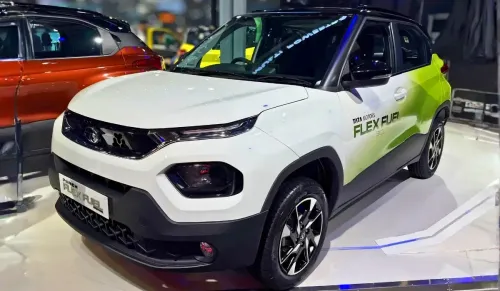
Tata Motors is aggressively pushing forward its sustainable mobility roadmap with plans to introduce its first-ever flex-fuel vehicle in India by the end of 2026. Shailesh Chandra, Managing Director of Tata Motors Passenger Vehicles and Tata Passenger Electric Mobility, confirmed that the company has completed initial testing and development stages, aligning with the Indian government’s push for alternative, cleaner fuels.
Key Highlights of Tata’s Flex-Fuel Strategy
-
Timeline Confirmed: Tata Motors is targeting late 2026 for the commercial rollout of its debut flex-fuel passenger vehicle.
-
Engine Capabilities: The upcoming model will feature a flex-fuel engine capable of running on higher ethanol blends, ranging from E20 (20% ethanol, 80% petrol) up to E85 (85% ethanol, 15% petrol).
-
Candidate Models: Industry speculations suggest that popular models like the Tata Nexon or Tata Altroz, which featured a 1.2-litre turbo flex-fuel prototype at the Bharat Mobility Global Expo, are the top contenders to receive this powertrain first
also read: New Maruti Suzuki Dzire 2026: 33.73 KM Mileage, Sunroof & 5-Star Safety At ₹6.26 Lakh
-
Material Upgrades: To counter the corrosive nature of high-ethanol fuel mixes, the engine components, fuel lines, and fuel pumps are undergoing extensive material modifications.
-
Multi-Power Strategy: This move strengthens Tata’s “multi-powertrain” strategy, expanding its portfolio beyond petrol, diesel, CNG, and Electric Vehicles (EVs) to future-proof its lineup.
Strategic and Environmental Impact
-
Lowering Fuel Emissions: By switching to high-ethanol flex-fuels, Tata’s new engine variants aim to drastically reduce tailpipe greenhouse gas emissions compared to standard petrol engines.
-
Import Bill Reduction: The initiative directly backs India’s national policy on biofuels, which aims to reduce reliance on costly crude oil imports by utilizing domestically produced sugarcane-based ethanol.
-
Competitive Landscape: With Maruti Suzuki and Toyota also actively testing flex-fuel prototypes in India, Tata’s late 2026 launch timeline positions it squarely in the race for next-generation green combustion engines.
For More Hindi News: http://newz24india.com