
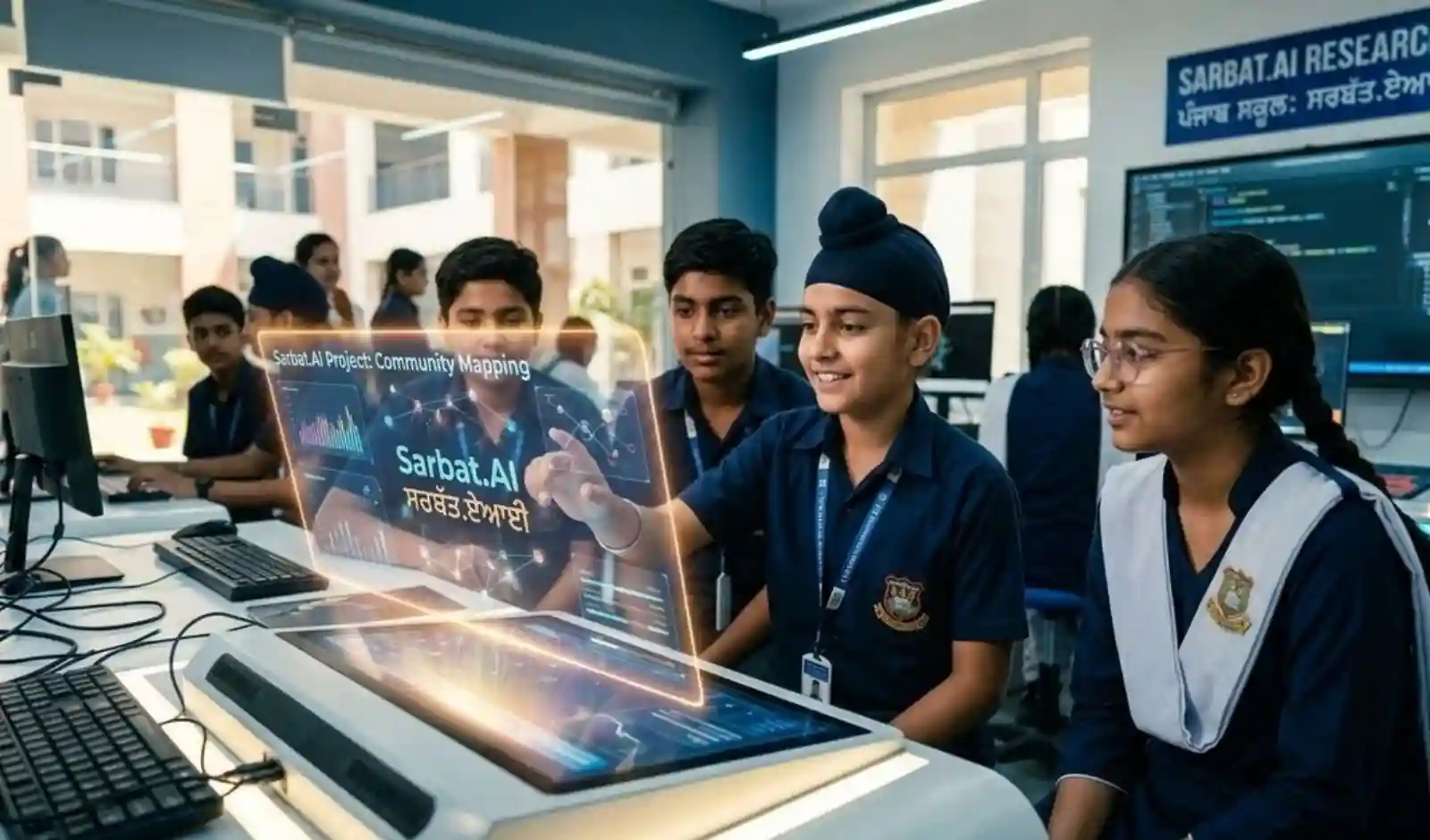
Punjab schools are set to introduce AI education for Classes 8 to 12 from September 1, with online classes, fees and teacher training planned.
Punjab is preparing to introduce a new AI education programme for students from Classes 8 to 12, with the proposed rollout scheduled to begin on September 1. The initiative has triggered discussions among teachers, parents and education stakeholders following a compulsory Continuous Professional Development (CPD) training workshop organised by the Punjab School Education Board (PSEB).
Under the proposed AI education programme, students studying in PSEB-affiliated schools will receive online lessons focused on artificial intelligence. While the programme is expected to be free for students in government schools, a monthly fee of ₹100 has been proposed for students in affiliated schools. The project is reportedly planned to be operated by a private company based in Singapore.
35-40 Minute Online Classes Planned
The proposed AI education programme will include online classes lasting around 35 to 40 minutes. The course is being planned separately from the existing CBSE and NCERT framework, with PSEB aiming to introduce AI-related learning at the secondary and senior secondary levels.
The board reportedly expects around 80% of students from Classes 8 to 12 to participate in the programme. Students will be registered through the ‘Sarbat AI Portal’, where the proposed monthly fee for eligible students will be collected.
Additional Charges for Tests and Study Material
Apart from the monthly fee, several additional charges have been proposed under the programme. Students may have to pay ₹50 annually for three examinations, ₹10 for two unit tests and ₹73 for the prescribed book.
The plan also includes training for teachers. Each participating school is expected to nominate two teachers for training. The first-year fee for a four-week teacher training programme has reportedly been proposed at ₹800 per teacher, while the total training cost over three years is expected to reach ₹21,000 per teacher.
Concerns Over Digital Infrastructure
The proposed AI education programme has also raised questions about the availability of digital infrastructure in schools and students’ homes. Since classes will be conducted online and students may need to continue self-study after class, access to smartphones, laptops and reliable internet could become essential.
also read:- Chandigarh Petrol Langar: Free Petrol At Two Pumps Today,…
Some schools reportedly lack adequate computer laboratories and stable internet connectivity. Teachers have therefore raised concerns about whether all students will be able to participate on equal terms, particularly those from families that may not have easy access to digital devices.
The financial impact is another concern. Parents could potentially face additional expenses if students require devices or internet services for regular participation in the course.
Teachers and Parents Seek Review
Another issue being discussed is the timing of the proposed rollout. The new system is scheduled to begin in September, several months after the academic session has already started. Teachers and parents fear that introducing an additional course midway through the session could increase students’ academic workload and affect their regular studies.
Concerns have also been raised over the proposed fees and paid teacher-training arrangements. During the CPD workshop, teachers reportedly questioned the practical arrangements and infrastructure requirements, although discussions were directed towards the technical aspects of the proposed course.
For now, the AI education programme remains a major topic of discussion in Punjab’s school education sector. Teachers and parents have called for a detailed review of the registration process, proposed charges, training structure and infrastructure requirements before the programme is implemented across schools.
If introduced with adequate infrastructure and proper training, AI education could give students early exposure to an increasingly important technology. However, stakeholders believe that affordability, equal access and the academic workload should be carefully considered before the September rollout.
For More Hindi News: http://newz24india.com