
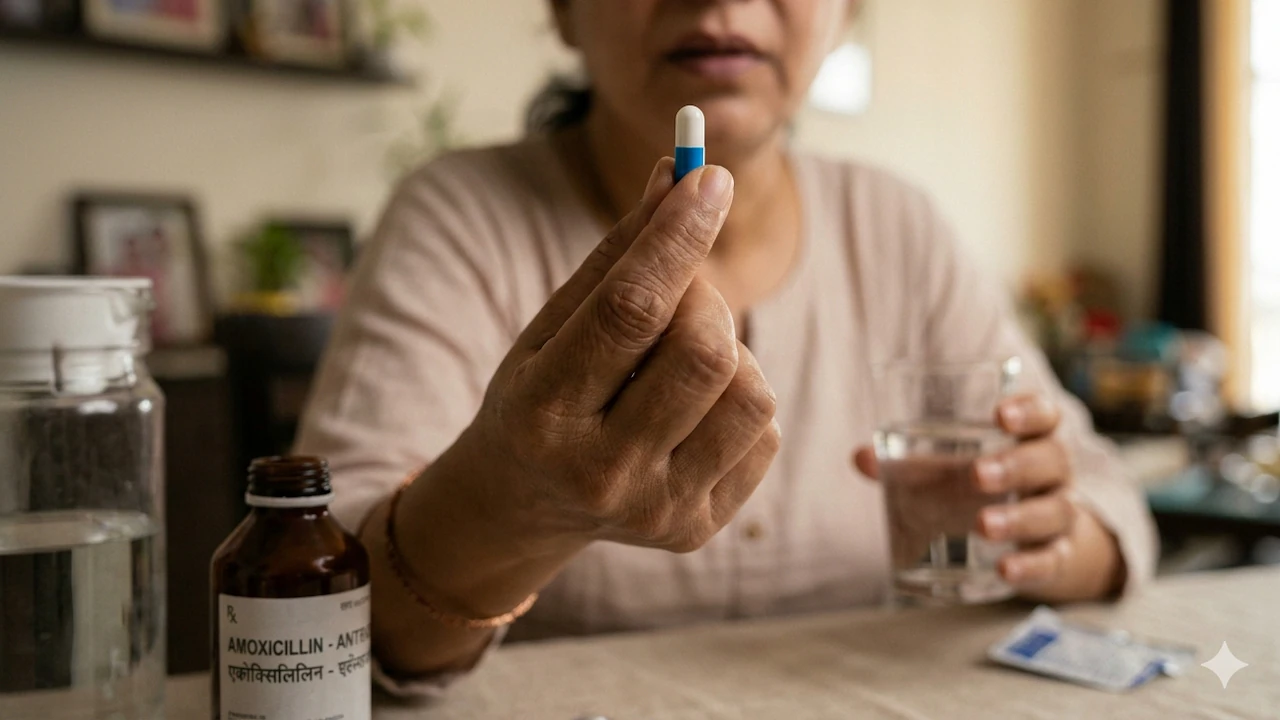
Learn why antibiotics are not needed for every fever, cough or sore throat. Doctors explain antibiotic resistance, its risks and safe medicine practices.
A fever, cough or sore throat can make anyone look for quick relief. Many people turn to antibiotics, believing these medicines will help them recover faster. However, doctors warn that taking antibiotics without proper medical advice can do more harm than good. Unnecessary use of these medicines is contributing to the growing problem of Antibiotic Resistance in India, making common bacterial infections increasingly difficult to treat.
As India observes World AMR Awareness Week from November 18 to 24, healthcare experts are highlighting the importance of responsible antibiotic use. This year’s theme, “One Health, one action: Prevent AMR now,” focuses on collective efforts across human health, animal health, food systems and the environment to prevent antimicrobial resistance.
What Is Antimicrobial Resistance and Why Is It Dangerous?
Antimicrobial resistance, commonly known as AMR, occurs when microorganisms such as bacteria develop the ability to survive medicines that were previously effective against them. As resistance increases, infections become harder to treat and doctors may have fewer treatment options.
Antibiotic Resistance in India is a growing public health concern because of factors such as inappropriate antibiotic use, self-medication and the availability of antibiotics without proper prescriptions.
Dr Ashutosh Shukla, Medical Director at Prana Centre for Integrative Medicine, highlights self-medication as one of the major mistakes people make while using medicines. Taking antibiotics without consulting a doctor can result in incorrect treatment, delay the diagnosis of an illness and increase the risk of drug resistance.
An antibiotic prescribed for an earlier infection may not be suitable for a new illness. Similarly, symptoms such as fever, cough and sore throat do not automatically indicate a bacterial infection.
also read:- Ayodhya Ram Mandir Darshan Timings Extended Till 11 PM…
Why Should You Not Take Antibiotics for Every Fever or Cough?
One of the most important things to understand is that antibiotics work against bacteria, not viruses. Common illnesses such as the common cold and flu are generally caused by viruses. Therefore, antibiotics cannot treat these infections.
Taking antibiotics unnecessarily exposes the body to medicines without providing any benefit. It can also contribute to the development and spread of resistant bacteria.
Dr Narendra Saini, Chairman of the Indian Medical Association’s AMR Committee, advises people to take antibiotics only when prescribed by a qualified doctor.
Why Is Antibiotic Resistance a Serious Health Threat?
Antibiotics are among the most important tools in modern medicine. They help doctors treat bacterial infections and make several medical procedures safer, including major surgeries, cancer treatments, organ transplants and intensive care.
However, when bacteria become resistant to commonly used antibiotics, infections that were once easy to treat can become complicated and potentially life-threatening.
In such situations, doctors may need to use stronger medicines or combinations of antibiotics. These treatments may also carry a higher risk of side effects.
The growing problem of Antibiotic Resistance in India is therefore not limited to people who misuse medicines today. It can also affect the availability of effective treatments for patients in the future.
Three Important Questions to Ask Before Taking Antibiotics
Responsible antibiotic treatment follows three important steps: Decide, Select and Review. These steps help doctors ensure that patients receive the right medicine only when necessary.
1. Decide: Do You Actually Need an Antibiotic?
The first step is identifying the cause of the infection. Doctors need to determine whether an illness is bacterial or viral before prescribing antibiotics.
They consider several factors, including:
– The patient’s symptoms and medical history.
– The severity and duration of the illness.
– Physical examination findings.
– Existing health conditions and risk factors.
– Laboratory tests, when required.
A fever, cough or sore throat alone is not enough reason to start antibiotic treatment. The medicine should only be used when a doctor determines that it is necessary.
2. Select: Which Antibiotic Is Right for You?
If an antibiotic is required, choosing the correct medicine is equally important. The selection depends on the type of infection, the patient’s age, allergies, kidney function and local antibiotic resistance patterns.
The prescribed dose, frequency and duration also matter. Using the wrong medicine or an inappropriate dose may fail to control the infection and contribute to resistance.
People should never choose antibiotics based on an old prescription, advice from friends or family members, or the assumption that stronger medicines provide faster relief.
3. Review: Is the Treatment Working?
Antibiotic treatment may need to be reassessed depending on the patient’s recovery and medical test results.
Doctors may review the patient’s condition after 48 to 72 hours to understand whether the medicine is working as expected. Based on the findings, they may continue, change, narrow or stop the treatment if it is no longer required.
Patients should follow their doctor’s instructions and should not independently change the dose or duration of prescribed treatment.
How Can You Help Prevent Antibiotic Resistance?
Preventing infections is one of the most effective ways to reduce the need for antibiotics. Simple hygiene habits and preventive measures can make a significant difference.
Here are some important steps everyone should follow:
– Wash your hands regularly with soap and clean water.
– Drink safe and clean water.
– Maintain proper sanitation and personal hygiene.
– Follow recommended vaccination schedules.
– Practise food safety and maintain cleanliness while preparing meals.
– Avoid taking antibiotics without a doctor’s prescription.
– Never share antibiotics with other people.
– Follow medical advice regarding prescribed medicines.
These measures can reduce the spread of infections and help limit unnecessary antibiotic use.
Why Does the One Health Approach Matter?
Antimicrobial resistance is not only a human health issue. It is also connected to animal health, food production and the environment.
The One Health approach recognises that these sectors are interconnected. Inappropriate antibiotic use in humans, animals and food production systems can contribute to the wider spread of antimicrobial resistance.
Addressing Antibiotic Resistance in India therefore requires coordinated efforts from doctors, patients, veterinarians, healthcare institutions, policymakers and communities.
Antibiotics Are Precious: Use Them Responsibly
Dr Narendra Saini emphasises that antibiotics are valuable medicines and should not be misused. Responsible prescribing and patient awareness are essential to ensure that these medicines remain effective.
The message is simple: Do not demand antibiotics for every fever, cough or sore throat. Consult a doctor, understand the cause of your illness and follow the recommended treatment.
The choices people make today can influence how effectively infections are treated in the future. Using antibiotics responsibly is not just about protecting individual health; it is also about preserving these life-saving medicines for future generations.
For More Hindi News: http://newz24india.com