
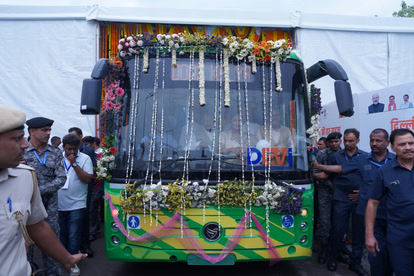
Delhi plans to introduce 7-metre electric mini buses for the first time. The government has sent a proposal to CESL to procure 3,330 new electric buses to improve connectivity in narrow lanes and metro feeder routes.
Delhi is preparing to roll out 7-metre electric mini buses for the first time, marking a major upgrade in the capital’s public transport system. The Delhi government has submitted a proposal to the central agency Convergence Energy Services Limited (CESL) to procure 3,330 additional electric buses as part of its expanding clean mobility plan.
According to Chief Minister Rekha Gupta, the proposal was finalized after a recent review meeting with CESL officials. The transport department assessed current bus operations, route coverage, and passenger demand before recommending the expansion. The key focus is to ensure public transport reaches areas where large buses cannot operate efficiently.
Mini Buses Designed for Narrow Roads and Feeder Routes
The biggest highlight of the proposal is the inclusion of 7-metre electric mini buses, which will operate in congested lanes, high-density residential zones, and areas surrounding metro stations. These Mini Buses are expected to act as feeder services, improving last-mile connectivity for daily commuters.
Officials say that many inner-city areas currently have limited or irregular bus services due to road width constraints. Smaller electric Mini Buses will allow smoother navigation through tight streets while maintaining safety and reliability.
Breakdown of Proposed Bus Fleet
Under the proposal, Delhi plans to procure buses in three different size categories:
-
500 buses – 7 metre electric mini buses
-
2,330 buses – 9 metre electric buses
-
500 buses – 12 metre electric buses
All vehicles will be low-floor and fully air-conditioned, improving comfort and accessibility.
-
7-metre buses will serve narrow and crowded localities.
-
9-metre buses will connect residential colonies and feeder routes.
-
12-metre buses will operate on major corridors with heavy passenger traffic.
The government has also requested that this additional demand be treated separately from the already approved 2,800 buses under the Prime Minister’s e-Drive Scheme, ensuring uninterrupted subsidy support.
also read:- CM Rekha Gupta: No School Can Raise Fees Arbitrarily in…
Funding and Subsidy Strategy
Delhi has urged the central government and the Ministry of Heavy Industries to include the new request under the subsidy framework. However, officials clarified that alternative financial arrangements will be explored if subsidy approvals face delays, so that procurement timelines are not affected.
The objective is to prevent any slowdown in fleet expansion while maintaining affordability for passengers and operational efficiency for transport authorities.
Improving Accessibility and Urban Coverage
Transport officials believe the expanded fleet will significantly improve bus network coverage, especially in areas that currently depend heavily on private transport or auto-rickshaws. Low-floor buses will also make boarding easier for senior citizens, women, and persons with disabilities, promoting inclusive mobility.
The initiative aligns with the central government’s push for electric mobility under the Prime Minister’s e-Drive Scheme, which focuses on expanding charging infrastructure and reducing urban emissions.
Current Status of Delhi’s Electric Bus Network
Delhi already operates one of the largest electric bus fleets in the country. At present:
-
Total buses in the city: 5,336
-
Electric buses: 3,535
-
9-metre buses: 1,162
-
12-metre buses: 2,273
-
Feeder buses: 100
The government aims to deploy over 5,000 electric Mini Buses by March 2026 and reach 7,000 electric buses by the end of 2026.
If both phases of the e-Drive Scheme are fully implemented, Delhi’s total bus strength could cross 13,000 vehicles, significantly improving public transport capacity.
A Step Toward Cleaner and Smarter Mobility
Officials believe the introduction of mini electric Mini Buses will make public transport more practical in a densely populated city like Delhi. With improved route coverage, reduced emissions, and better passenger comfort, the initiative is expected to strengthen Delhi’s transition toward sustainable urban mobility.
For More Hindi News:- http://newz24india.com