
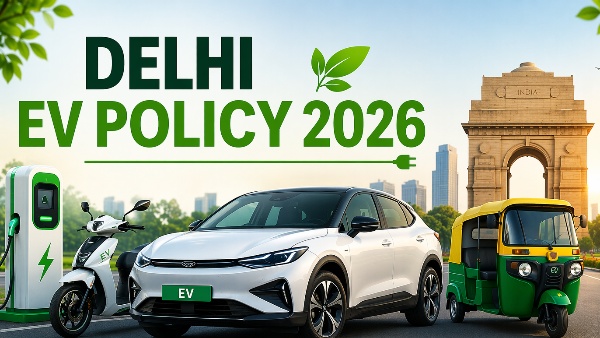
The Delhi government has officially unveiled the Draft Electric Vehicle Policy 2026–2030, marking a historic shift toward Sustainable Mobility in the capital. By setting aggressive timelines for the transition to cleaner energy, the city aims to tackle rising urban emissions head-on. This comprehensive strategy prioritizes EV Adoption through massive financial backing and strict regulatory shifts, ensuring that the future of Delhi’s transport is entirely electric.
Here are the core pillars of the new Draft Electric Vehicle Policy 2026–2030:
also read: Mercedes-Benz CLA Price 2026 India: New Electric Sedan Launching On April 24
Aggressive Timelines for 2-Wheeler Electrification
The policy mandates a 100% transition for all new 2-wheelers by April 2028. This move is designed to phase out petrol-run scooters and bikes, making 2-Wheeler Electrification the primary driver of the city’s green revolution.
Rapid Transition to 3-Wheeler Electrification
To clean up the “last-mile” connectivity sector, the government has set an even tighter deadline for 3-Wheeler Electrification, requiring all new models to be electric by January 2027.
Substantial Financial EV Incentives
To lower the entry barrier for consumers, the government is offering robust EV Incentives, including direct subsidies of up to ₹1 lakh. These financial boosts are aimed at making electric cars and commercial vehicles more affordable than their fossil-fuel counterparts.
Elimination of Purchase Barriers via Tax Exemptions
In a bid to accelerate EV Adoption, the policy provides full road tax exemptions for all-electric vehicles registered within the capital, significantly reducing the “on-road” cost for new owners.
Strict Ban on New ICE Commercial Vehicles
As a cornerstone of its Pollution Reduction strategy, Delhi will no longer permit the registration of new Internal Combustion Engine (ICE) commercial vehicles. This ensures that the logistics and transport sectors contribute directly to cleaner air.
Commitment to Long-Term Pollution Reduction
The overarching goal of the Draft Electric Vehicle Policy 2026–2030 is a drastic Pollution Reduction across the National Capital Region. By removing thousands of tailpipe-emitting vehicles from the road, the city moves closer to its “Net Zero” urban transport targets.
For More Hindi News: http://newz24india.com