
Govardhan Puja 2026 will be celebrated on November 10. Check the shubh muhurat, puja vidhi, religious significance and five mistakes to avoid.
Govardhan Puja is one of the important festivals celebrated during the five-day Diwali festivities. In 2026, the festival will be observed on Tuesday, November 10. Devotees worship Lord Krishna and Govardhan Hill on this occasion and offer Annakoot bhog as a mark of devotion and gratitude.
According to Hindu mythology, Lord Krishna lifted Govardhan Hill on his little finger to protect the people of Braj from heavy rainfall caused by Lord Indra. Through this act, Krishna taught people the importance of nature and challenged Indra’s arrogance.
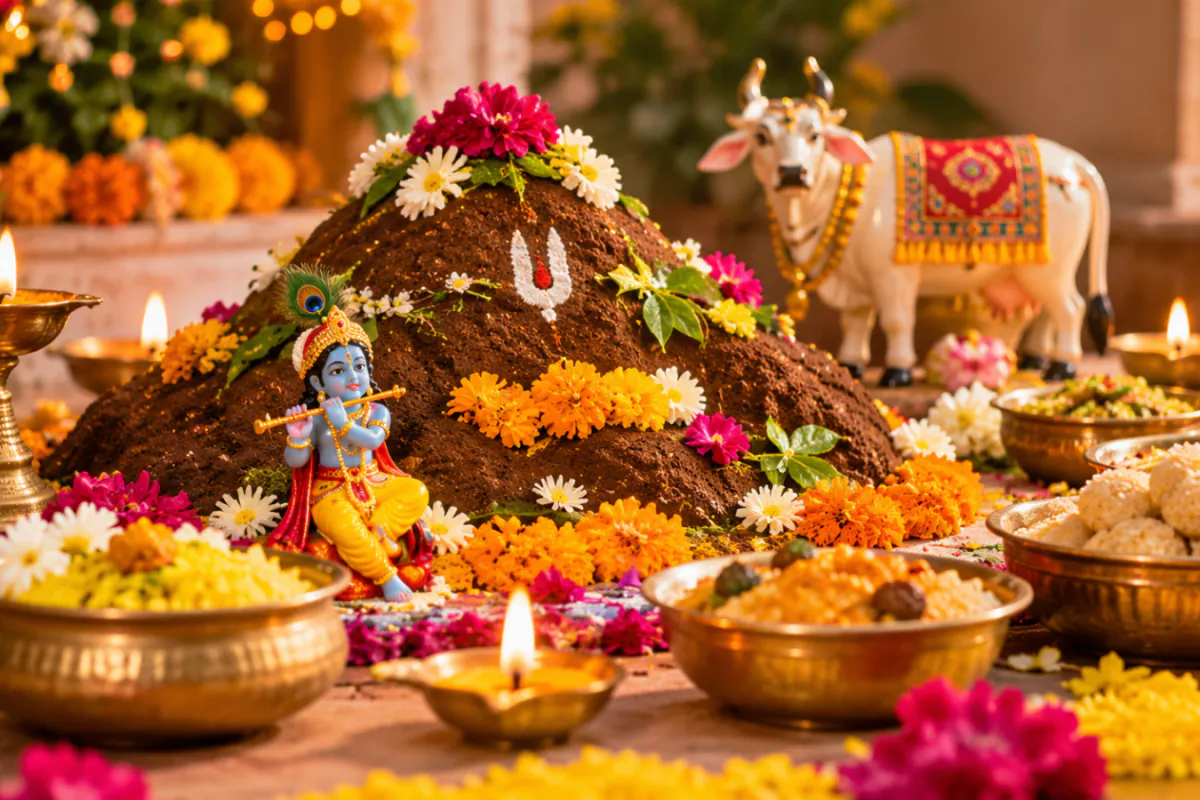
One of the important traditions of the festival is creating a symbolic Govardhan Hill using cow dung. Devotees decorate it with flowers, lamps and traditional offerings before performing the puja and parikrama. If you are preparing for Govardhan Puja 2026, here is everything you need to know about its date, auspicious timings, religious significance, puja vidhi and five mistakes to avoid.
Govardhan Puja 2026: Date and Shubh Muhurat
According to the Hindu calendar, Govardhan Puja is celebrated on the Pratipada Tithi of Shukla Paksha in the month of Kartik. In 2026, the festival will be observed on November 10.
Here are the important dates and puja timings:
Govardhan Puja Date: November 10, 2026 (Tuesday)
Pratipada Tithi Begins: Evening of November 9, 2026
Pratipada Tithi Ends: Evening of November 10, 2026
Morning Puja Muhurat: 6:40 AM to 8:50 AM
Evening Puja Muhurat: 3:25 PM to 5:35 PM
Devotees can perform the rituals during the auspicious timings according to their local Hindu calendar. Muhurat timings may vary depending on the location.
Why Is Govardhan Hill Made Using Cow Dung?
Making a symbolic Govardhan Hill with cow dung is an important tradition associated with the festival. In Hindu traditions, the cow is considered sacred, and cow dung is regarded as auspicious.
According to religious beliefs, Goddess Lakshmi resides in cow dung. The Sanskrit phrase ‘Gomaye Vasate Lakshmi’ is associated with this belief and symbolises prosperity and good fortune.
There are several traditional and religious reasons behind this practice.
1. Symbol of Purity and Positive Energy
Cow dung has traditionally been used in Indian households for religious rituals and purification practices. Devotees believe that creating Govardhan Hill with cow dung helps maintain the purity of the surroundings and brings positive energy into the home.
2. Gratitude Towards Nature and Cattle
The tradition also represents gratitude towards cows, agriculture and natural resources. Cows have played an important role in traditional rural life by providing milk and manure, while Govardhan Hill is associated with greenery, water and resources for cattle.
3. Symbolic Form of Lord Krishna
According to Hindu religious beliefs and stories associated with the Shrimad Bhagavata Purana and Garga Samhita, Govardhan Hill is closely connected with Lord Krishna. Devotees worship the symbolic hill as a form of Govardhan and offer food to express their devotion to the deity.
Govardhan Puja 2026: Five Mistakes to Avoid During Puja
While performing Govardhan Puja 2026, devotees should follow traditional customs and pay attention to the cleanliness and proper arrangement of the rituals. Here are five common mistakes that religious traditions advise people to avoid.
1. Using Impure or Unclean Cow Dung
According to traditional practices, fresh and clean cow dung should be used to create the symbolic Govardhan Hill. Avoid using material that has come into contact with dirt, footwear or other unclean substances. Cleanliness is considered important while preparing the structure.
2. Making Govardhan Hill Inside a Closed Room
The festival is closely associated with nature and the earth. Therefore, devotees traditionally prepare the symbolic hill in an open courtyard, veranda or near the entrance of their homes. Creating it in a clean and suitable open space is preferred in many traditions.
3. Performing an Incomplete or Incorrect Parikrama
Parikrama is an important part of Govardhan Puja. Devotees traditionally complete seven rounds around the symbolic hill.
Keep these practices in mind:
Perform the parikrama in a clockwise direction.
Complete all seven rounds according to the family tradition.
Some devotees carry a pot of water or offerings such as kheel and batashe during the circumambulation.
Maintain devotion and cleanliness throughout the ritual.
4. Wearing Inappropriate Clothes During Puja
According to traditional beliefs, wearing auspicious and clean clothes is preferred during religious ceremonies. Devotees often choose yellow, orange, red and other light-coloured traditional outfits for the occasion. Some customs discourage wearing black or dark blue during the puja.
5. Forgetting Tulsi Leaves in Annakoot Bhog
Annakoot bhog holds special importance during Govardhan Puja. Devotees prepare different vegetarian dishes, including seasonal vegetables, bajra, kadhi and puri, and offer them to Lord Krishna.
A Tulsi leaf is traditionally placed in the bhog because Tulsi is considered especially sacred to Lord Krishna. Devotees also avoid onion, garlic and other tamasic ingredients while preparing offerings according to their religious customs.
Govardhan Puja 2026: Step-by-Step Puja Vidhi
Devotees can follow these traditional steps to perform the puja at home.
Step 1: Create the Govardhan Hill
Wake up early, take a bath and clean the courtyard or chosen puja area. Traditionally, the space is purified with Gangajal. Use clean cow dung to create a symbolic Govardhan Hill, often shaped like a reclining human figure. A small space may be made near the navel area to place an earthen lamp or bowl.
Step 2: Decorate the Symbolic Hill
Decorate the structure with marigold flowers, roli, akshat, durva grass, kheel and batashe. Place an earthen lamp in the designated area and offer milk, curd, Gangajal and honey as part of the traditional worship.
also read:- Chhath Puja 2026: Check Complete Four-Day Schedule,…
Step 3: Prepare and Offer Annakoot Bhog
Prepare Annakoot using seasonal vegetables and other traditional dishes. Panchamrit and 56 different food offerings, known as Chhappan Bhog, may also be prepared according to one’s capacity and family tradition. Offer the food to Lord Krishna with devotion.
Step 4: Perform Aarti and Parikrama
Light the diya and incense, then perform the aarti of Lord Krishna and Govardhan Maharaj. After the aarti, complete seven rounds around the symbolic Govardhan Hill, following the traditional customs observed by your family.
Step 5: Worship and Serve Cows
Cows hold special importance during Govardhan Puja. Devotees traditionally apply tilak to cows and offer them green fodder, jaggery and Annakoot prasad. This ritual represents respect and gratitude towards cattle.
Religious Significance of Govardhan Puja
Govardhan Puja commemorates the story of Lord Krishna protecting the people of Braj from torrential rain by lifting Govardhan Hill. According to Hindu mythology, Lord Indra sent heavy rainfall to punish the residents of Braj after they stopped worshipping him. Krishna lifted the hill and provided shelter to the villagers and their cattle.
The festival symbolises the importance of humility, devotion, nature and gratitude. It also reminds people that natural resources, agriculture and cattle play an important role in sustaining life.
During Govardhan Puja 2026, devotees will continue these traditions by worshipping Lord Krishna, preparing Annakoot bhog, performing parikrama and expressing gratitude towards nature and cattle.
For More Hindi News: http://newz24india.com