
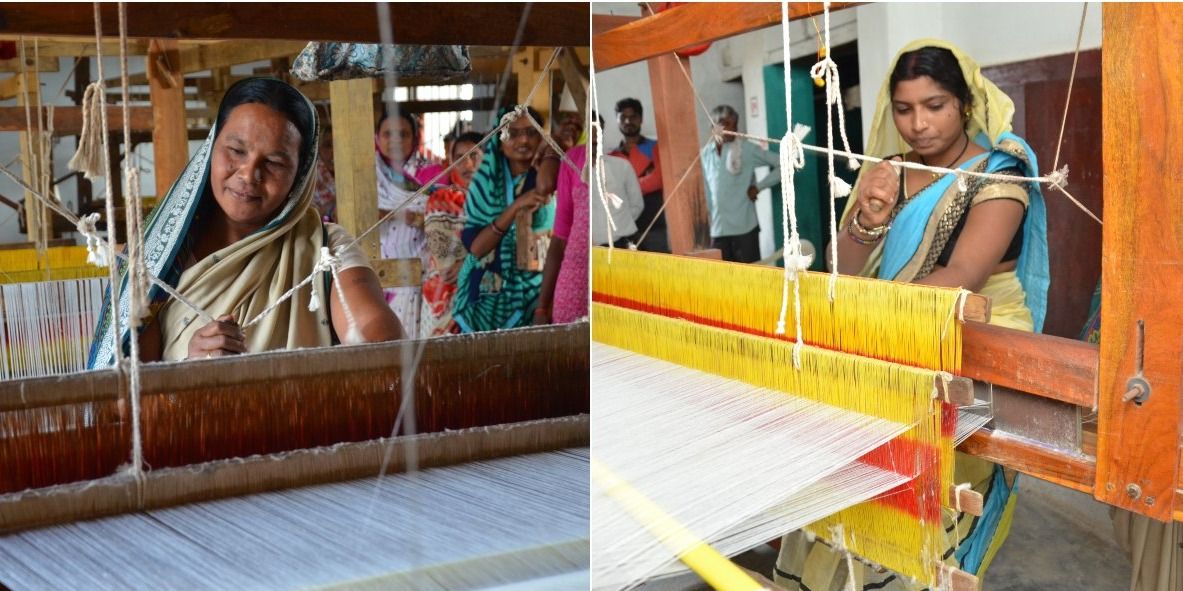
Hathkargha Bunakar Samriddhi Yojana offers UP weavers support through solar loom subsidy, affordable yarn, loans, modern training and direct market access.
Uttar Pradesh’s traditional handloom sector could get a major boost through the Hathkargha Bunakar Samriddhi Yojana, an initiative aimed at helping weavers adopt modern technology, reduce production costs and access wider markets. The scheme focuses on strengthening the economic position of traditional weavers while connecting their products with both domestic and international buyers.
From Banarasi silk sarees to Bhadohi carpets, Uttar Pradesh has a rich handloom heritage. However, high yarn prices, electricity expenses, limited access to markets and dependence on intermediaries have created financial challenges for many artisans.
The Hathkargha Bunakar Samriddhi Yojana seeks to address several of these concerns by providing support related to technology, raw materials, finance, training and marketing.
What Is Hathkargha Bunakar Samriddhi Yojana?
The scheme is designed to modernise the handloom sector and provide weavers with better opportunities to increase their earnings. Traditional artisans can benefit from improved technology, financial assistance and direct market access.
The broader objective is to help UP’s handloom products reach larger markets while ensuring that weavers get better returns for their work.
150 Handloom Clusters Planned in UP
Under the scheme, the government has set a target of developing 150 handloom clusters over five years. More than 50,000 weavers are expected to benefit from the planned cluster-based approach.
According to the scheme details, groups consisting of at least 25 weavers can be registered as firms. Such clusters can help artisans access resources, training and marketing facilities collectively.
5 Major Benefits for Weavers
1. Subsidy on Solar Looms
Rising electricity costs are a major concern for artisans involved in weaving. To reduce this burden, solar-powered looms are being promoted under the scheme.
As per the provided scheme details, weavers can receive up to 80% subsidy on solar loom-related assistance. The move is aimed at lowering energy costs and improving production efficiency.
2. Affordable Yarn and Raw Materials
The cost of yarn directly affects the overall production expenses of a weaver. To address this issue, arrangements such as yarn banks and government assistance are being promoted.
The objective is to ensure that artisans can obtain essential raw materials at more reasonable prices, helping them control production costs.
3. Direct Access to Online Markets
One of the major advantages of the Hathkargha Bunakar Samriddhi Yojana is its focus on reducing dependence on middlemen.
Weavers are being encouraged to connect with e-commerce platforms and the government’s GeM marketplace. This can allow artisans to showcase their products directly to customers beyond their local markets.
Digital access could particularly benefit weavers working in villages and small towns, giving them opportunities to sell products across different states and potentially overseas markets.
4. Easier Credit and Loan Support
Small artisans often require financial assistance to purchase equipment, increase production or expand their businesses. The scheme focuses on connecting weavers with credit facilities and loans.
Such financial support can help artisans invest in improved looms and other resources without relying entirely on informal sources of finance.
5. Modern Training and New Designs
Consumer preferences and fashion trends change rapidly. To help traditional artisans remain competitive, training in modern designs, computer-based techniques and market-oriented production is being promoted.
Training for the younger generation of weaver families could also help preserve traditional skills while introducing them to contemporary technology and design.
Village-Made Products to Get a Bigger Online Market
The digital marketplace can provide new opportunities for artisans who previously depended mainly on local traders.
Weavers from places such as Mau, Varanasi and Azamgarh can potentially reach customers in major Indian cities and international markets through online platforms. Along with digital registration, training related to packaging and shipping can help artisans understand the requirements of online commerce.
This approach can give “Made in UP” handloom products greater visibility and create additional avenues for sales.
also read:- UPTET Result 2026: Failed In UP TET? Know Whether Job…
Documents Required for the Scheme
Weavers planning to apply should keep the required documents ready. The documents mentioned for the scheme include:
- Aadhaar card
- Weaver identity card
- Bank passbook copy
- Passport-size photograph
- Income certificate
- Proof of residence in Uttar Pradesh
Applicants should verify the latest eligibility requirements and document list with the concerned department before submitting an application.
How to Apply?
Eligible weavers can seek information about the application process through the Uttar Pradesh Handloom and Textiles Department. Online application facilities may be available through the department’s official system.
Special registration camps can also be organised in areas with a significant concentration of weavers. Applicants can additionally contact their nearest District Industries Centre (DIC) or Handloom Department office for guidance.
Why Is This Scheme Important for UP Weavers?
Uttar Pradesh’s handloom sector represents generations of traditional craftsmanship. But preserving this heritage also requires making weaving financially sustainable for the families involved.
The Hathkargha Bunakar Samriddhi Yojana focuses on several areas at once—modern technology, affordable raw materials, financial support, skill development and market connectivity. If implemented effectively, these measures could help traditional artisans improve productivity and find better markets for their products.
The planned handloom clusters and digital marketing initiatives could also provide a platform for small-scale weavers to compete in a rapidly changing market.
For thousands of artisans, the success of the Hathkargha Bunakar Samriddhi Yojana will ultimately depend on how easily they can access the benefits and convert traditional skills into sustainable income opportunities.
For More Hindi News: http://newz24india.com