
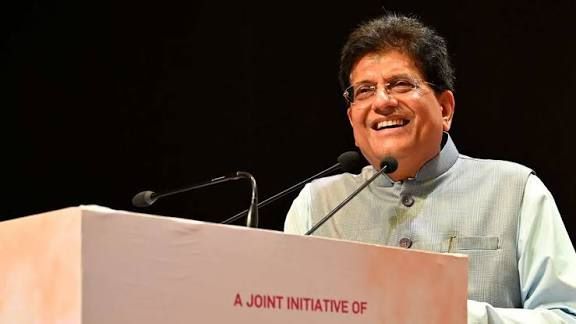
India is expanding FTA export opportunities for MSMEs, farmers and small businesses through state-level outreach initiatives, says Piyush Goyal.
India is stepping up efforts to help farmers, workers, women, young entrepreneurs and micro, small and medium enterprises (MSMEs) benefit from its expanding network of free trade agreements (FTAs). Commerce and Industry Minister Piyush Goyal said the government is working with state administrations to help local businesses identify export opportunities and reach international markets.
The initiative aims to turn India’s growing trade partnerships into tangible benefits for businesses and communities across the country. Through dedicated outreach programmes, the government wants to ensure that more Indian products reach global consumers and that businesses make better use of the trade agreements signed in recent years.
Piyush Goyal Highlights Opportunities for Indian Exporters
In a social media post on Wednesday, Piyush Goyal highlighted the government’s efforts to connect domestic producers with international markets. He said India’s recent trade agreements had created significant opportunities for exporters and stressed the importance of ensuring that these benefits reach different sections of society.
The India FTA export push focuses on helping farmers, workers, women, young people, MSMEs and small businesses expand their presence in overseas markets. The initiative is also intended to encourage the export of more Made in India products and support businesses looking to grow beyond the domestic market.
According to Goyal, the government wants trade partnerships to create meaningful economic opportunities for people across India rather than remain limited to formal agreements between countries.
Commerce Department Plans FTA Outreach Across States
To improve awareness and utilisation of free trade agreements, the Department of Commerce is organising dedicated outreach programmes in partnership with state governments.
These initiatives are designed to help businesses understand the opportunities available under India’s trade arrangements and explore potential markets for their products. Greater awareness of trade provisions could help small enterprises and local producers identify new customers and expand their export activities.
As part of this effort, Goyal appreciated Goa Chief Minister Pramod Sawant’s participation in an outreach programme in Goa. He also acknowledged the state’s efforts to encourage local businesses to explore international markets.
The government plans to organise more such programmes across the country, with the aim of helping every state identify and develop its export potential.
India Expands Its Network of Free Trade Agreements
India has broadened its international trade engagement through several agreements concluded over recent years. According to the Ministry of Commerce and Industry, the country has nine FTAs covering 38 countries.
Some of India’s important trade agreements include:
– India-Mauritius agreement: An agreement signed in 2021 to strengthen economic and trade relations.
– India-UAE CEPA: The Comprehensive Economic Partnership Agreement was signed in 2022 and implemented in May of that year.
– India-Australia ECTA: The Economic Cooperation and Trade Agreement came into effect in December 2022.
– India-EFTA TEPA: The Trade and Economic Partnership Agreement with the European Free Trade Association was signed on March 10, 2024, and entered into force on October 1, 2025.
– India-UK CETA: The Comprehensive Economic and Trade Agreement was signed in July 2025.
– India-Oman CEPA: The agreement was signed in December 2025.
– India-New Zealand FTA: The agreement was announced on December 22, 2025, and entered into force on October 20, 2026.
– India-European Union FTA: The agreement was announced on January 27, 2026.
India and the United States also established a framework for an interim trade agreement on February 7, 2026, marking another step in their trade discussions.
These arrangements are intended to improve market access and strengthen commercial ties. Their benefits for individual businesses depend on factors such as product eligibility, applicable rules of origin, tariffs and compliance requirements.
also read;- India Rejects OIC Resolution On Jammu And Kashmir,…
MSMEs and Farmers at the Centre of India’s Export Strategy
Small businesses and farmers can play an important role in increasing India’s exports, but accessing overseas markets often requires information about regulations, product standards, logistics and trade documentation.
Through the India FTA export push, the government aims to make businesses more aware of the opportunities available under trade agreements. Outreach programmes may help producers understand market requirements and identify ways to sell their goods internationally.
For MSMEs, access to new markets could create opportunities to increase production, attract customers and build long-term business relationships. Farmers and agricultural enterprises could also explore overseas demand for eligible products, subject to the requirements of importing countries.
The focus on women and young entrepreneurs further reflects the government’s stated objective of extending the benefits of international trade to a wider range of people.
Government Seeks to Strengthen India’s Export Growth
The government intends to continue organising outreach programmes in different states to improve awareness of free trade agreements and encourage greater participation in international commerce.
The India FTA export push is aimed at helping states use their distinctive industrial, agricultural and manufacturing strengths to identify export opportunities. The approach could also encourage local businesses to explore markets that may previously have been difficult to access.
However, the extent to which businesses benefit will depend on their ability to meet international standards, understand trade rules and compete on quality, pricing and delivery.
By combining trade agreements with state-level outreach, the government is seeking to connect India’s international trade strategy with opportunities for businesses on the ground. The success of these efforts will ultimately depend on how effectively exporters, farmers and MSMEs can use the available arrangements to expand their presence in global markets.
For More Hindi News: http://newz24india.com