
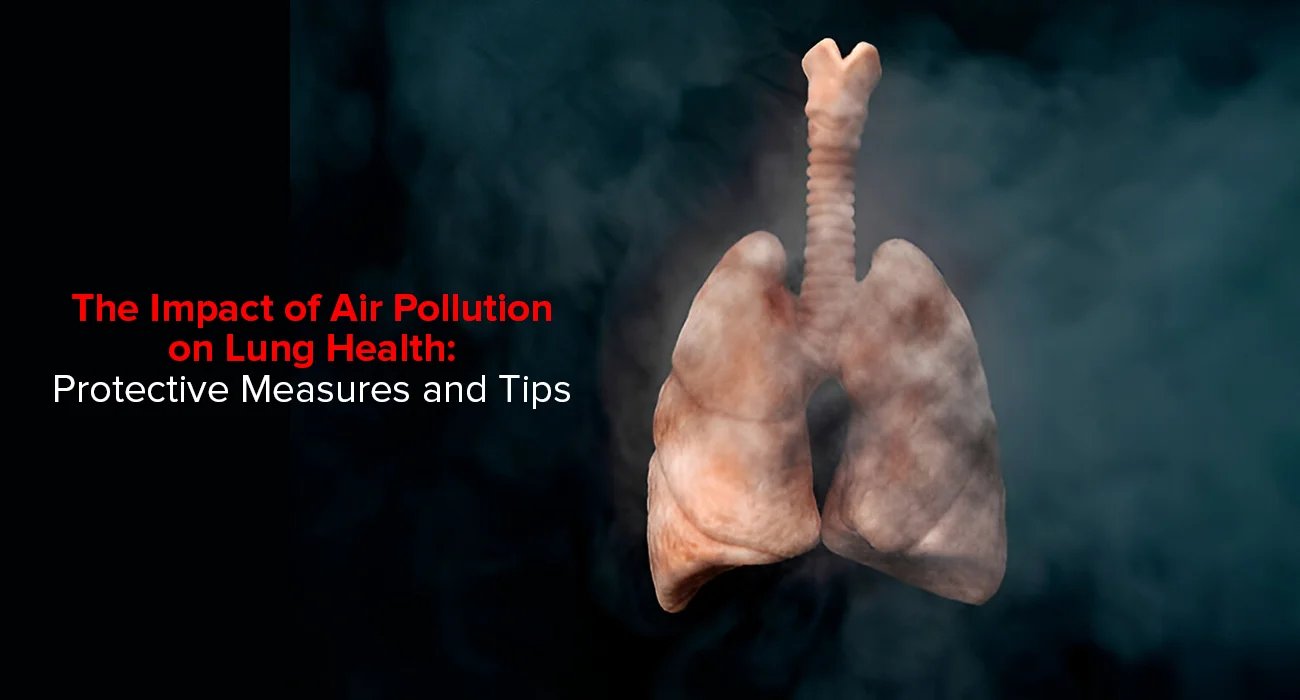
Discover 6 ways to protect your lungs from air pollution, reduce asthma triggers, improve indoor air quality and manage respiratory symptoms.
Protect Your Lungs From Air Pollution: Air pollution across Delhi-NCR is becoming a growing concern as deteriorating air quality raises the risk of respiratory irritation and asthma flare-ups. On October 22, Delhi recorded an Air Quality Index (AQI) of 223, categorised as a poor level of air quality. Polluted air can affect people of all ages, but children, asthma patients and individuals with existing respiratory conditions may be particularly vulnerable.
Fine particles such as PM2.5 can travel deep into the lungs and aggravate sensitive airways. This exposure may cause coughing, wheezing, throat irritation, chest tightness and difficulty breathing. Taking simple precautions can help protect your lungs from air pollution and reduce contact with common asthma triggers.
How Does Air Pollution Affect People With Asthma?
Asthma causes inflammation and increased sensitivity in the airways. When a person with asthma inhales polluted air, airborne particles and other irritants can worsen inflammation and trigger symptoms. In some cases, exposure may lead to an asthma attack.
Seasonal changes and fluctuating pollution levels can make symptom management more challenging. Checking the local AQI before planning outdoor activities can help people make informed decisions about when to go outside and how long to stay there.
Common Symptoms of Pollution-Related Respiratory Problems
Exposure to polluted air can cause or worsen several respiratory symptoms. These include:
Persistent coughing or throat irritation
Wheezing or a whistling sound while breathing
Chest tightness or discomfort
Shortness of breath
Irritation in the eyes
People with asthma should pay attention to changes in their usual symptoms. If breathing problems continue despite prescribed treatment, consult a healthcare professional. Severe breathing difficulty requires immediate medical attention.
6 Ways to Protect Your Lungs From Air Pollution
1. Check the AQI Before Going Outdoors
Make checking the local Air Quality Index part of your daily routine, particularly during periods of heavy pollution. When air quality is poor, avoid unnecessary outdoor activities and consider rescheduling tasks that can wait.
Children, older adults and people with asthma or other respiratory conditions should take extra precautions when pollution levels rise. Following local air-quality updates can help you decide when outdoor exposure should be limited.
2. Avoid Intense Outdoor Exercise
Physical activities such as running, jogging and cycling can increase the volume of air you breathe. This may also increase the amount of pollutants entering your respiratory system when outdoor air quality is poor.
Consider exercising indoors on heavily polluted days. If outdoor exercise is necessary, choose a time when local air quality is better and reduce the intensity or duration of your workout.
3. Wear a Properly Fitted N95 Mask
When you need to go outside during high-pollution periods, a well-fitting N95 respirator can help reduce inhalation of fine airborne particles. Its effectiveness depends on achieving a snug fit around the nose and mouth, with minimal gaps.
Ordinary loose-fitting masks may provide less protection against fine particles. Remember that even a properly fitted respirator cannot eliminate all exposure to air pollution, so limiting time outdoors remains important.
4. Keep Indoor Air Free From Common Irritants
Indoor air can also contain substances that aggravate asthma and other respiratory conditions. Dust, tobacco smoke, cooking fumes and strongly scented sprays may irritate sensitive airways.
Avoid smoking indoors, reduce the use of products that release strong fragrances and clean surfaces regularly to minimise dust accumulation. Where possible, use cooking exhaust fans that vent outdoors and avoid burning materials inside the home.
also read:- Clean Home, Clear Air: Why Festive Cleaning Is Getting A Plant-Based Makeover
5. Manage Ventilation and Consider an Air Purifier
Opening windows can help ventilate a room, but it may also allow polluted outdoor air to enter when AQI levels are high. Keep windows and doors closed during periods of heavy pollution where practical, and ventilate your home when outdoor air quality improves.
An appropriately sized air purifier with a High-Efficiency Particulate Air (HEPA) filter may help reduce airborne particles in indoor spaces. Choose a unit suited to the size of the room and maintain its filters according to the manufacturer’s instructions. Avoid air-cleaning devices that intentionally generate ozone, as ozone can irritate the lungs.
6. Follow Your Asthma Management Plan
People living with asthma should follow the treatment plan prescribed by their healthcare provider. Take medication as directed and keep a prescribed reliever inhaler accessible when advised by your doctor.
Do not stop or change medication without professional guidance. If symptoms become more frequent, nighttime coughing increases or the inhaler is needed more often than usual, arrange a medical review. A doctor may need to reassess your treatment and help update your asthma action plan.
When Should You Seek Medical Help?
Do not ignore breathing symptoms that persist or worsen during periods of high pollution. Contact a healthcare professional if coughing, wheezing or chest tightness continues despite following your prescribed treatment.
Seek emergency medical assistance if you experience severe breathing difficulty, cannot speak comfortably because of breathlessness, or your prescribed rescue medication is not providing the expected relief.
The Bottom Line
As air pollution fluctuates across Delhi-NCR, monitoring AQI levels and reducing exposure can help lower the risk of respiratory irritation. Simple steps such as wearing a suitable mask, avoiding strenuous outdoor activity on polluted days, improving indoor air quality and following medical advice can make a difference.
Taking these precautions to protect your lungs from air pollution is particularly important for children and people with asthma. Staying alert to early symptoms and managing existing respiratory conditions appropriately can help reduce the risk of pollution-related flare-ups.
For More Hindi News: newz24india.com