
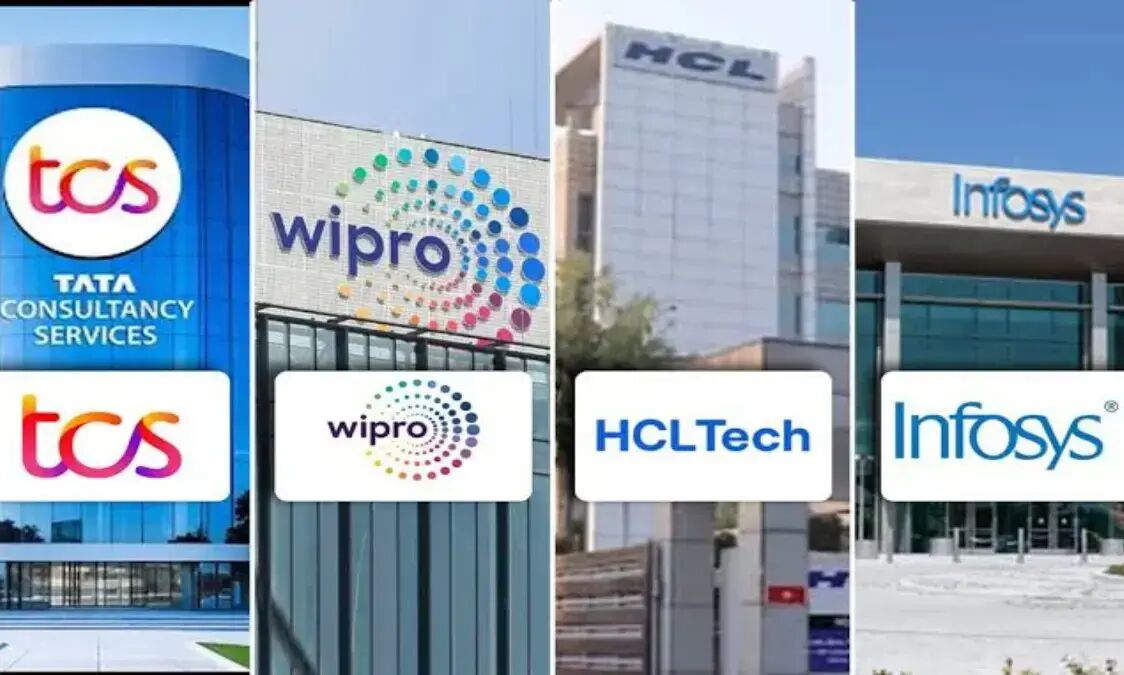
US Green Card suspension affects major IT firms, including TCS, Infosys, Wipro, HCL and Cognizant. Know the reasons and impact on Indian professionals.
The United States has suspended eight major technology and IT services companies from a key employment-based immigration programme used to sponsor skilled foreign workers for permanent residency. The decision, announced by the Trump administration on October 8, 2026, affects several prominent Indian IT companies, including Tata Consultancy Services (TCS), Infosys, Wipro, HCL Technologies and Cognizant. Capgemini, Microsoft and Adobe have also been included in the action. The US Green Card suspension has raised concerns among Indian technology professionals seeking long-term employment and residency in America. Reuters
Why Has the US Suspended Major Indian IT Companies?
The primary reason cited by US authorities is alleged misuse of employment-based immigration programmes. The Trump administration claims that certain companies have relied excessively on foreign workers and that this practice has disadvantaged American employees.
US Secretary of Labor Keith Sonderling announced the decision, stating that the government was suspending several major IT outsourcing companies from the Permanent Labor Certification Programme. Vice President JD Vance also criticised companies over their foreign-worker hiring practices.
According to the administration, the action is intended to prioritise American workers and strengthen enforcement against suspected immigration fraud and employment-related violations.
However, the allegations should not be treated as proven wrongdoing by every company named in the order. Authorities have not publicly provided detailed, company-specific findings establishing the alleged violations for all the affected firms. News On AIR
What Is the PERM Programme and How Does It Work?
The Permanent Labor Certification Programme, commonly known as PERM, is an important step in the US employment-based immigration process. It generally requires an employer to demonstrate that there are not sufficient qualified, available and willing US workers for a particular position and that hiring a foreign worker will not adversely affect the wages and working conditions of similarly employed American workers.
Once the labour certification process is completed, an employer may use the approved certification to file an employment-based immigrant petition, where applicable. The employee must then satisfy the remaining requirements for permanent residency.
The US Green Card suspension is significant because it prevents the affected employers from submitting new PERM applications or having pending applications processed while the suspension remains in effect, according to the announcement.
The restriction concerns this particular labour-certification route. It should not automatically be interpreted as the cancellation of every employee’s existing visa or an existing Green Card.
Which Companies Have Been Affected?
The US government has named eight major technology and IT services companies in the latest action:
- Cognizant
- Tata Consultancy Services (TCS)
- Infosys
- Wipro
- HCL Technologies
- Capgemini
- Microsoft
- Adobe
The list includes both Indian IT service providers and international technology companies. The inclusion of Microsoft and Adobe indicates that the action extends beyond Indian outsourcing firms.
The move follows heightened scrutiny of employment-based immigration programmes, particularly the H-1B visa system and the PERM process. US authorities have raised concerns about whether employers are complying with rules intended to protect domestic workers.
How Will the Green Card Suspension Affect Indian IT Professionals?
The immediate impact is likely to be felt by eligible foreign employees whose permanent residency applications depend on PERM certification through one of the affected employers.
For Indian professionals, the possible consequences include:
1. Delays in permanent residency applications: Employees waiting for labour certification may face uncertainty because pending applications involving the affected companies are not being processed under the suspension.
2. Uncertainty for H-1B visa holders: Some professionals use the H-1B temporary work visa while pursuing employment-based permanent residency. A delay in the Green Card process may complicate long-term immigration planning, particularly for workers approaching the usual H-1B time limit.
3. Career and relocation challenges: Employees considering long-term settlement in the United States may need to reassess their plans, depending on their individual immigration status and available alternatives.
4. Greater compliance scrutiny: Technology companies may face increased pressure to demonstrate that their recruitment, wage practices and immigration filings comply with US labour and immigration regulations.
The precise impact will vary according to each worker’s circumstances, application stage and eligibility for other immigration options. Employees should seek qualified immigration advice before making decisions about their employment or visa status.
What Does the US Government Say About Foreign Workers?
The Trump administration has presented the action as part of a broader effort to protect American employment opportunities. Officials argue that companies should first consider qualified US workers rather than relying on overseas talent through employment-based visa programmes.
Labour Secretary Keith Sonderling has also cited the scale of foreign-worker requests and approvals involving the named companies over the years as part of the administration’s justification.
also read:- Namo Book Festival In Varanasi Marks PM Modi’s 25 Years…
At the same time, the technology industry has argued that international talent plays an important role in innovation, business expansion and the delivery of technology services to US customers. Industry body Nasscom has said Indian technology companies have reduced their dependence on H-1B visas while expanding local hiring in the United States. The Economic Times
Is the Suspension a Permanent Ban on Green Cards?
The US Green Card suspension should not be confused with a permanent prohibition on all foreign workers obtaining residency in America. The current action restricts the named companies’ participation in the PERM labour-certification process while the suspension and related investigations remain in effect.
It also does not, by itself, mean that all existing H-1B visas held by employees of these companies have been cancelled. The PERM programme and the H-1B visa programme are separate parts of the US immigration system, even though they can be connected in an employee’s long-term immigration journey.
Further developments will depend on the government’s investigations, any subsequent administrative decisions and potential legal challenges.
What Happens Next?
The immediate concern for affected Indian professionals is how long the restrictions will remain in place and what options will be available for applications that have been delayed.
The US Green Card suspension marks a significant change for the named companies’ employment-based immigration processes. However, the long-term consequences will depend on the outcome of the investigations and any changes in enforcement policy.
For now, employees sponsored by the affected companies should verify the status of their individual cases with their employers and qualified immigration advisers rather than assume that every visa or residency application has been cancelled.
For More Hindi News: http://newz24india.com