
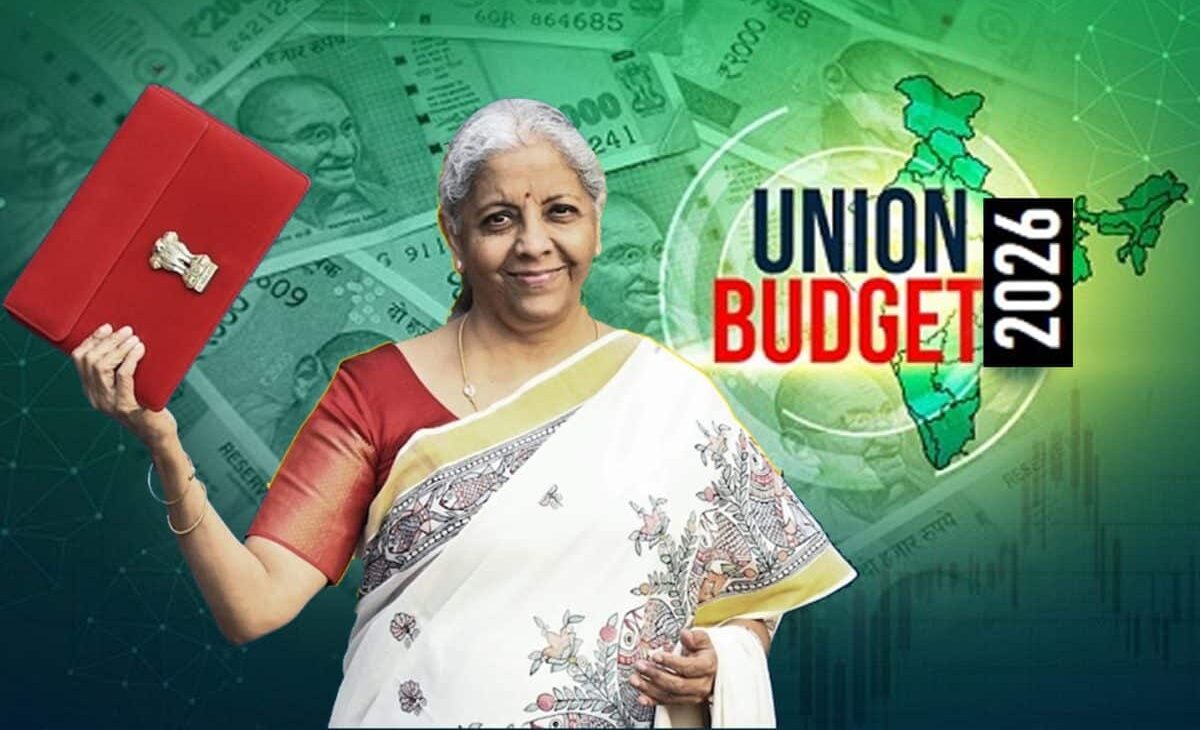
Budget 2026-27 focuses on strengthening India’s industrial framework with 0-10% import duties, production, exports, and domestic consumption. Roadmap aims to make India a developed nation by 2047.
The Union Budget 2026-27, presented by Finance Minister Nirmala Sitharaman, lays a strong emphasis on strengthening India’s industrial framework, boosting production, exports, and domestic consumption, and setting a clear roadmap to transform India into a developed nation by 2047.
The budget has reduced import duties on essential industrial goods, machinery, components, and technology to 0-10 percent, aiming to make India a hub for manufacturing and strategic sectors. This step will particularly benefit sectors like defense production, solar energy, electric vehicles, and electronics. The government is actively working to establish India as a global exporter of defense and strategic goods.
Strategic Focus on Advanced Technology
The budget recognizes the growing reliance on semiconductor chips across sectors—from consumer goods to automobiles, aircraft, and satellites. It emphasizes reducing dependence on competitor nations like China and strengthening India’s capabilities in this critical sector. To encourage foreign investment, the government has also announced tax holidays for cloud computing and data centers in India until 2047, signaling a long-term commitment to develop strategic and high-tech sectors.
A Budget for Nation-Building
According to Jafar Islam, BJP national spokesperson and former Managing Director of Deutsche Bank India, this budget is a “nation-building budget”. He stated that India’s economy has been supported by strong domestic consumption, and the budget introduces long-term provisions to further boost this. The budget allocates ₹12 lakh crore for capital expenditure, outlines seven high-speed corridors, waterway corridors, and critical mineral corridors, and includes measures to strengthen MSMEs and promote tourism.
Additionally, the budget emphasizes the development of special townships, Ayurvedic medical colleges, and medium- to tertiary-level cities, which will create employment across regions and increase household income, driving domestic consumption of goods, vehicles, and FMCG products. This, in turn, provides a strong and reliable consumer base for the country’s industrial framework, contributing to India’s economic strength.
Roadmap to a Developed India by 2047
The Budget 2026-27 not only focuses on short-term economic growth but also provides a framework for India’s long-term development, ensuring that the country becomes a global manufacturing and strategic hub. The focus on production, exports, technology, and infrastructure development aligns with India’s vision to emerge as a self-reliant and globally competitive economy by 2047.
For More Hindi News:- http://newz24india.com