
Bromate in bottled water can form during ozone treatment. Know its potential health risks, EPA safety limit and why water quality testing is important.
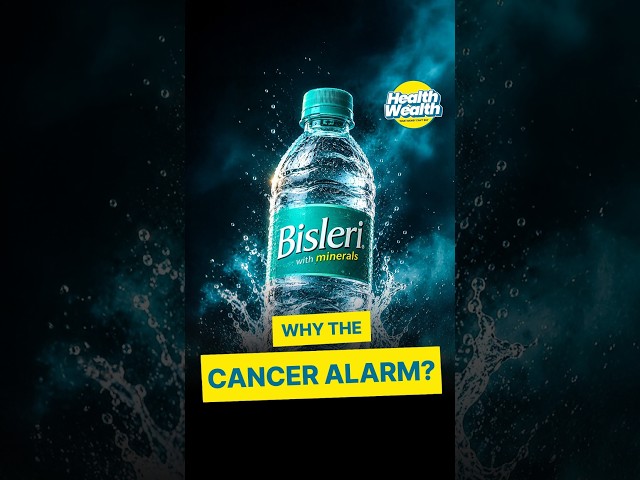
Bromate in bottled water has become a topic of concern following regulatory action against packaged drinking water manufacturer Bisleri International. India’s food safety regulator has reportedly initiated action after a laboratory test found that a water sample failed to meet prescribed safety standards. The sample was reported to have violations related to bromate levels, along with the presence of polynuclear aromatic hydrocarbons.
The development has brought attention to the quality of packaged drinking water and the chemicals that may develop during its treatment. But what exactly is bromate, how does it enter drinking water, and what risks can it pose to human health?
What Is Bromate and How Does It Form in Water?
Bromate is a chemical compound that can develop when bromide present in water reacts with ozone during the disinfection process. According to the UK Centre for Food Safety, bromide can naturally occur in certain water sources.
It may enter water through the dissolution of minerals in rocks, industrial wastewater and, in some cases, pesticide-related sources. When water containing bromide undergoes ozone treatment, a chemical reaction can convert bromide into bromate.
This is why monitoring bromide levels in the source water is important for manufacturers. Controlling the treatment process can also help reduce the possibility of bromate formation.
Why Do Bottled Water Companies Use Ozone Treatment?
Ozone is commonly used in water treatment to eliminate harmful microorganisms and make water safer for consumption. It works as a disinfectant and can be used as an alternative to chlorine-based treatment.
However, ozone can react with bromide already present in the water and produce bromate. The possibility of this reaction makes it important for packaged drinking water manufacturers to carefully monitor the quality of their source water and control ozone treatment conditions.
The presence of bromide does not automatically mean that bromate will form in every case. Its formation depends on factors related to water composition and treatment conditions.
Does Every Bottle of Drinking Water Contain Bromate?
No, bromate is not necessarily present in every bottle of packaged drinking water. Most bottled water products are expected to comply with applicable quality and safety standards.
also read:- Fever, Cough Or Sore Throat: Do You Really Need…
However, bromate can appear in certain cases if the source water contains bromide and the disinfection process is not properly controlled. Regular laboratory testing and monitoring of water treatment systems are therefore essential.
Consumers should also understand that the detection of a chemical does not automatically mean that every bottle or every brand is unsafe. The concentration of the substance and whether it exceeds the prescribed safety limit are important factors.
How Dangerous Is Bromate for Human Health?
Long-term exposure to bromate is a major health concern. It has been classified as a potential human carcinogen, and studies have raised concerns about its possible cancer-causing effects.
Exposure to high levels may also affect organs such as the kidneys and could have harmful effects on the nervous system. The actual health risk depends on the amount consumed and the duration of exposure.
According to the US Environmental Protection Agency (EPA), the maximum contaminant level for bromate in drinking water is 10 micrograms per litre.
This limit is intended to control exposure and reduce potential health risks. The presence of bromate in a laboratory report does not necessarily indicate immediate harm, but consistently exceeding the prescribed limit is a serious quality concern.
Who Should Be More Careful About Drinking Water Quality?
Children, pregnant women and people who regularly consume large quantities of packaged drinking water should pay attention to water quality. Choosing products that comply with applicable safety standards and purchasing them from reliable sources can help reduce avoidable risks.
The issue of bromate in bottled water also highlights why manufacturers must regularly test their products and maintain strict quality controls. Consumers should check packaging details, avoid damaged or improperly stored bottles and follow official food safety advisories.
Ultimately, safe drinking water depends not only on its source but also on how it is treated, tested and stored before reaching consumers.
For More Hindi News: http://newz24india.com