
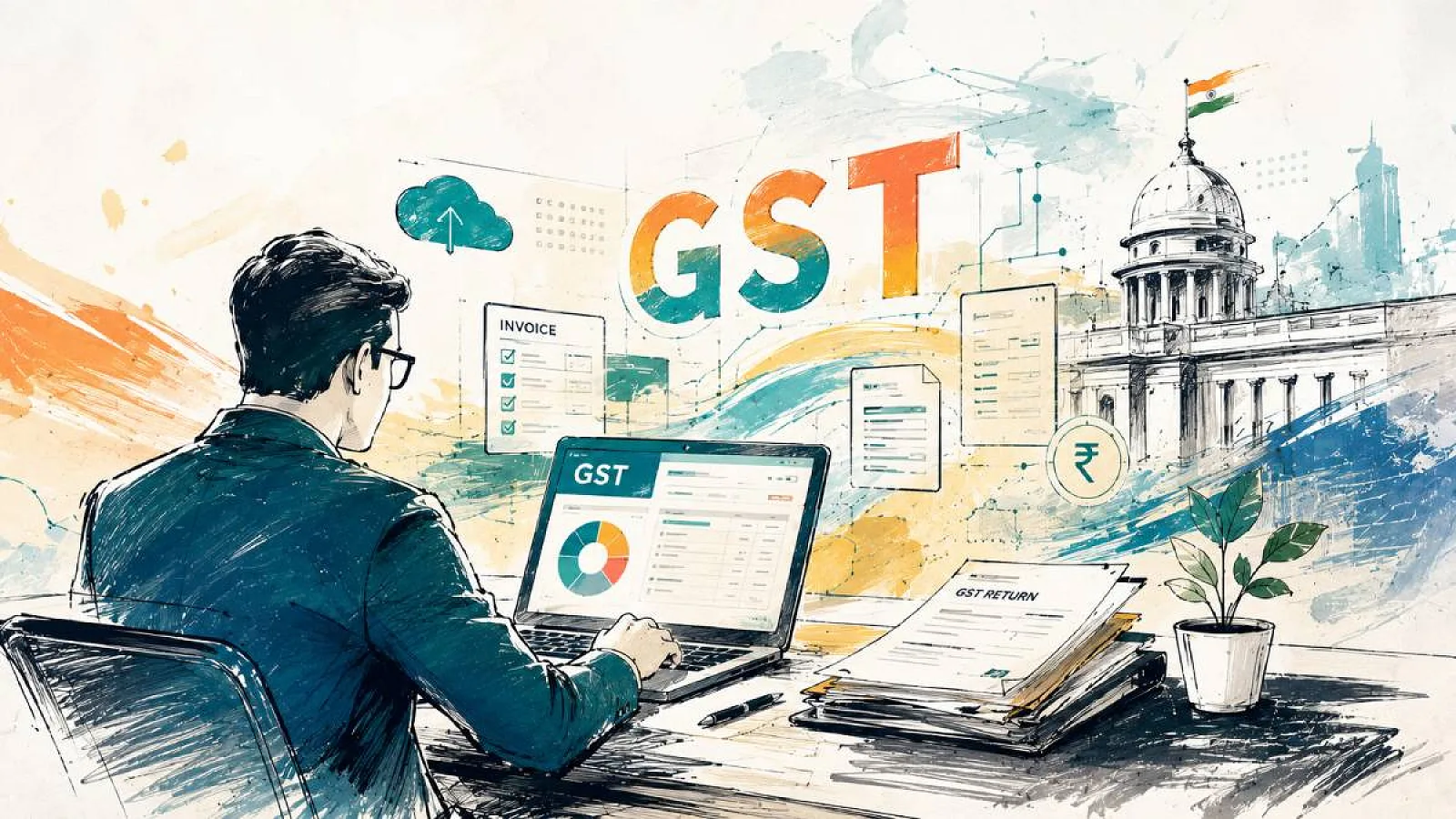
CBIC issues new GST guidelines on year-wise tax demands, registration requirements and export payments to improve transparency and reduce litigation.
The Central Board of Indirect Taxes and Customs (CBIC) has introduced a series of procedural clarifications aimed at making Goods and Services Tax (GST) administration more transparent, consistent and taxpayer-friendly. The new guidelines focus on year-wise tax demand details in show-cause notices, simpler GST registration requirements and clearer rules for recognising payments received by service exporters.
The measures follow recommendations made during the 57th GST Council meeting and seek to improve the quality of tax proceedings while reducing unnecessary disputes between businesses and tax authorities.
GST Notices Must Specify Year-Wise Tax Demands
Under the latest instructions, tax officers issuing GST Notices covering multiple financial years must clearly specify the amount of tax demanded for each individual year. This will help taxpayers understand the basis of the liability and prepare an appropriate response.
The CBIC has emphasised that notices should provide sufficient details about the allegations, supporting evidence, relevant legal provisions and the tax amount involved. Merely reproducing statutory provisions without explaining how they apply to a particular case will not meet the required standard.
The guidelines also address the use of stricter provisions relating to fraud, deliberate misstatement or suppression of facts. Tax officers cannot rely on these provisions solely because tax remains unpaid or a discrepancy has been identified. The notice must contain evidence supporting the allegation of an intention to evade tax.
These requirements are intended to make proceedings more transparent and give taxpayers a clearer understanding of the cases they are expected to answer.
New Guidelines Aim to Improve GST Adjudication
The CBIC has also outlined expectations for adjudication orders issued by tax authorities. Officers must examine the arguments presented by taxpayers and explain the reasons for accepting or rejecting them.
A general statement that a taxpayer’s reply has been considered will not be sufficient on its own. Decisions should demonstrate that the submissions have been examined and that the conclusions are supported by relevant facts and legal reasoning.
The guidance also highlights the importance of meaningful personal hearings, while encouraging virtual hearings where appropriate.
Tax experts believe these changes could improve consistency in decision-making and reduce litigation arising from procedural shortcomings.
Saurabh Agarwal, tax partner at EY India, noted that the structured approach places greater emphasis on clearly explained allegations, supporting evidence and reasoned orders. According to him, these measures could improve the overall quality of GST adjudication.
Manoj Mishra, partner and tax controversy management leader at Grant Thornton Bharat, also highlighted the importance of distinguishing between fraudulent and non-fraudulent demands. He noted that the new guidance seeks to bring greater discipline to tax proceedings, although the broader legal question surrounding consolidated multi-year notices remains unresolved.
GST Registration Process Gets Clearer Documentation Rules
Another important area covered by the CBIC’s instructions is GST registration. Businesses have frequently encountered delays when officers request additional documents or apply different interpretations of registration requirements across states.
The revised guidance provides greater clarity about the documents required in several common business situations.
These include businesses operating from coworking spaces, applicants using premises with the consent of a family member, and registration requirements involving unmanned automated teller machines (ATMs) and telecom towers.
The instructions also seek to prevent officers from demanding irrelevant information or imposing state-specific documentation requirements beyond the prescribed rules.
With clearer documentation standards, applicants can prepare their paperwork more effectively and reduce unnecessary exchanges with tax officials.
According to Saurabh Agarwal, the clarification addresses several recurring issues that have caused disputes and delays at the ground level. Standardised requirements could make the registration process more predictable for genuine businesses.
ALSO READ:- Gold Silver Rate Gold Silver Rate Today: Gold And Silver…
CBIC Clarifies Payment Rules for Export Services
The latest circulars also provide important clarity for service exporters regarding the receipt of payments. Under GST law, a transaction must satisfy specified conditions to qualify as an export of services.
The CBIC has clarified that eligible payments received through certain permitted rupee-denominated accounts can be recognised for this purpose. These include Special Non-Resident Rupee (SNRR) accounts and INR Nostro accounts, subject to the applicable legal and regulatory conditions.
This clarification is particularly relevant to businesses engaged in cross-border service transactions that use authorised banking arrangements rather than conventional foreign-currency transfers.
The department has also addressed situations where exporters offset amounts receivable from overseas customers against payments owed for imports. Where such netting arrangements comply with Reserve Bank of India (RBI) rules, they can be accepted as a valid method of realising export proceeds.
The clarification provides greater certainty for businesses that settle cross-border obligations through permitted adjustment mechanisms.
Relief from Potential Disputes for Exporters
The recognition of eligible set-off arrangements could help reduce disagreements between exporters and tax authorities over the manner in which export payments are received.
Previously, uncertainty surrounding the treatment of such transactions could lead to disputes over whether the prescribed conditions for exports had been fulfilled. The new guidance seeks to align GST administration with settlement methods permitted under foreign-exchange regulations.
Manoj Mishra observed that the clarification represents progress towards aligning the tax treatment of exports with the commercial practices followed by businesses.
For service exporters, the development could provide greater clarity when structuring international transactions and documenting the receipt or settlement of export proceeds.
What the Latest GST Changes Mean for Businesses
The CBIC’s latest instructions cover three major areas: tax demand notices, registration procedures and export payment arrangements. Together, they aim to make compliance requirements clearer and reduce disputes caused by inconsistent interpretations or incomplete documentation.
Businesses receiving multi-year tax notices should examine the year-wise breakdown of demands and the evidence supporting the allegations. Applicants seeking GST registration should ensure that their documents meet the prescribed requirements. Exporters using special rupee accounts or netting arrangements should verify that their transactions comply with the relevant GST and RBI conditions.
Overall, the revised guidance on GST Notices and related procedures is expected to improve transparency in tax administration and help businesses navigate compliance requirements with greater certainty. However, the practical impact will depend on consistent implementation by tax authorities and adherence to the applicable legal provisions by taxpayers.
For More Hindi News:http://newz24india.com