
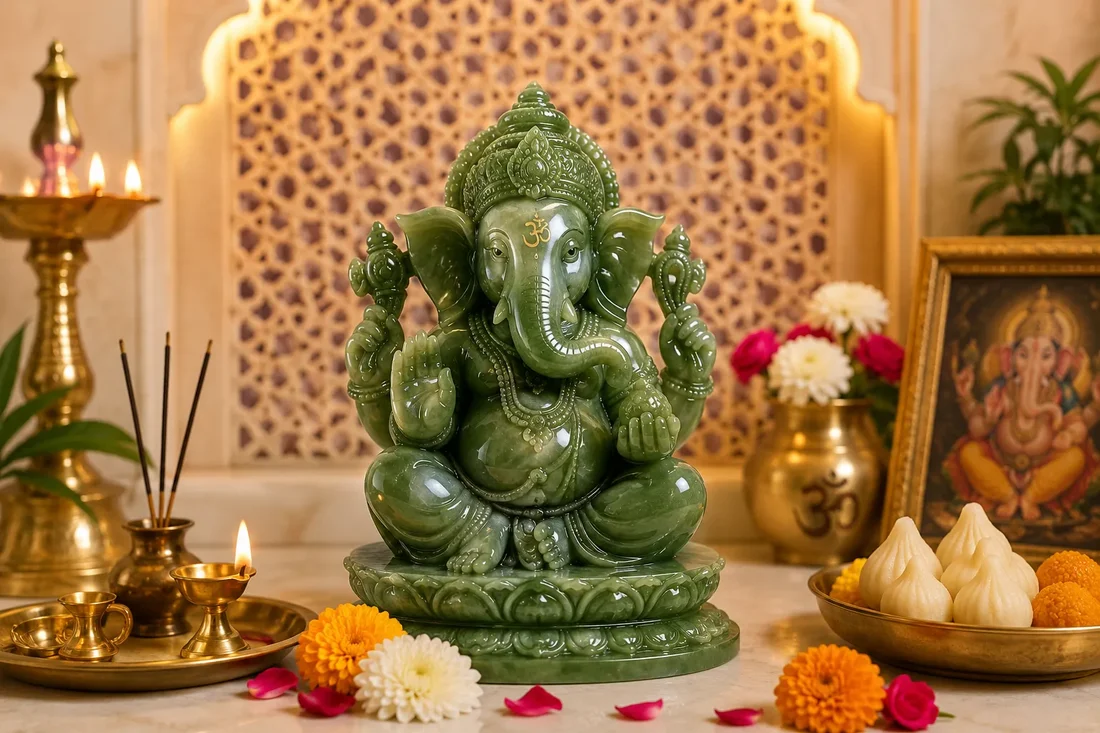
Celebrate Eco-Friendly Ganesh Chaturthi 2026 with clay idols, natural colours, sustainable decorations and responsible visarjan practices.
Ganesh Chaturthi is one of India’s most widely celebrated festivals, marked by devotion, colourful decorations and grand public celebrations. Eco-Friendly Ganesh Chaturthi 2026 is gaining importance as devotees look for ways to honour Lord Ganesha while reducing the festival’s impact on the environment.
In 2026, Ganesh Chaturthi celebrations are expected to focus not only on faith and tradition but also on responsible choices. Using clay idols, avoiding harmful paints, reducing plastic decorations and choosing safe immersion methods can make the festival more environmentally conscious.
Choose Clay Idols Instead of POP
The idol is the centrepiece of Ganesh Chaturthi, so choosing the right material is one of the easiest ways to make celebrations greener. Devotees can select idols made from natural clay, which are generally more suitable for responsible immersion than plaster of Paris (POP) idols.
POP can take significantly longer to break down in water and may contribute to pollution in water bodies. For home celebrations, smaller clay idols can be a practical option as they require fewer resources and are easier to handle during visarjan.
For an Eco-Friendly Ganesh Chaturthi 2026, devotees can also check whether the idol is made entirely from natural, biodegradable materials before purchasing it.
Go for Natural and Water-Soluble Colours
The paint used on a Ganesh idol is another important consideration. Instead of idols decorated with potentially harmful synthetic paints, devotees can look for naturally derived or water-soluble colours.
Plant-based and mineral-based colours can be considered for a more environmentally responsible celebration. The same principle can be applied to decorations. Fresh flowers, leaves, cotton fabrics, handmade paper and reusable cloth decorations can replace plastic and thermocol items.
Home Visarjan Can Be an Alternative
For smaller clay idols, home immersion can be considered where permitted and where suitable arrangements are available. A clean bucket, tub or other appropriate container can be used for the immersion.
Once the clay has dissolved, the water and clay can potentially be reused for plants, depending on the materials used in the idol and colours. However, flowers, plastic, metal ornaments and other non-dissolvable decorative items should be removed before immersion.
Local guidelines should always be followed when planning a home visarjan.
Use Authorised Immersion Points
Devotees who prefer traditional immersion can use designated artificial ponds or authorised visarjan facilities arranged by local authorities. Such facilities are intended to reduce the pressure on natural rivers, lakes and other water bodies.
Before taking the idol for immersion, remove plastic decorations, artificial flowers, thermocol and other materials that cannot dissolve naturally. This simple step can help reduce waste entering water bodies.
Make Decorations More Sustainable
A green celebration does not require giving up the festive atmosphere. Instead of buying large quantities of single-use decorations, families and communities can reuse materials from previous celebrations.
Flowers, banana leaves, cloth, paper crafts and other reusable materials can create attractive festive spaces without excessive plastic waste. LED lighting can also be used to reduce electricity consumption compared with less efficient lighting options.
ALSO READ:- Krishna Janmashtami 2026: September 4 Or 5? Check Date,…
Reduce Plastic During Festivities
Food distribution and community gatherings often generate considerable waste. Reusable plates, glasses and cutlery can be used instead of disposable plastic products wherever practical.
Waste should also be separated into appropriate categories after the celebrations. Flowers and other biodegradable materials can be handled separately from plastic and other non-biodegradable waste.
Turn Ganesh Chaturthi Into a Community Green Drive
The spirit of the festival can also extend beyond worship. Resident groups, schools and community organisations can organise cleanliness drives, tree-planting activities or awareness campaigns around responsible waste disposal.
Such initiatives can make Eco-Friendly Ganesh Chaturthi 2026 more meaningful by connecting religious celebrations with environmental responsibility.
Devotion and Sustainability Can Go Together
Ganesh Chaturthi is ultimately about faith, togetherness and devotion to Lord Ganesha. Choosing a natural clay idol, safer colours, sustainable decorations and responsible immersion does not reduce the joy of the festival.
Instead, these small decisions can help protect the environment while preserving the traditional spirit of the celebration. For devotees planning Eco-Friendly Ganesh Chaturthi 2026, even simple changes—such as choosing a smaller clay idol or using an authorised immersion facility—can make a meaningful difference.
As preparations begin, families and communities can plan their celebrations with both devotion and environmental responsibility in mind. A greener Ganesh Chaturthi can allow devotees to celebrate with enthusiasm while showing respect for nature.
For More Hindi News: http://newz24india.com