
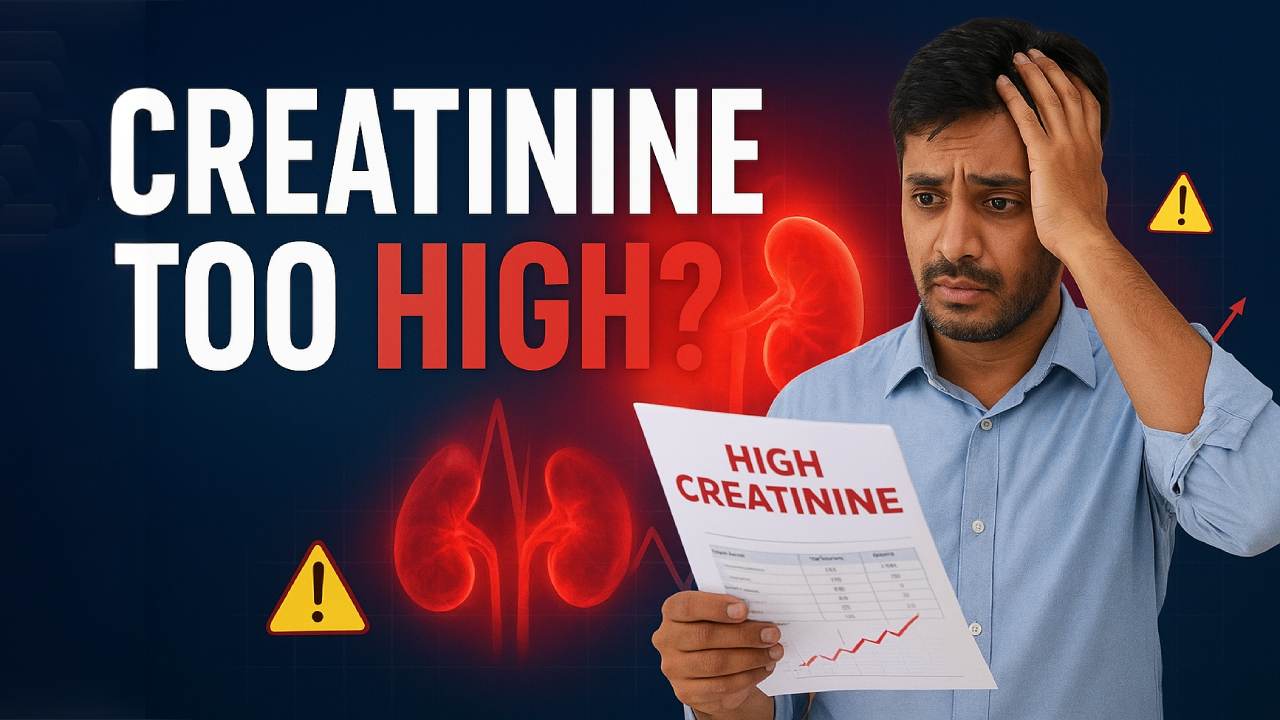
High creatinine can signal reduced kidney function. Learn the causes, warning signs, risk factors and practical ways to support kidney health.
Creatinine is a commonly measured marker of kidney health. When blood creatinine rises, it can indicate that the kidneys are not filtering waste products efficiently. But is high creatinine itself poisonous to the kidneys? Not exactly.
Creatinine is a natural waste product produced by muscles during normal metabolism. Healthy kidneys filter it from the blood and remove it through urine. When kidney function declines, creatinine can build up in the bloodstream. Therefore, high creatinine is generally considered a warning sign that may point toward an underlying health problem rather than a disease or poison deposited inside the kidneys.
What Causes Creatinine to Rise?
There are several possible reasons for an increase in creatinine levels. Kidney disease is one of the major causes, but it is not the only one.
Dehydration
Not drinking enough fluids can reduce the amount of water circulating in the bloodstream. This can temporarily affect kidney filtration and cause creatinine levels to appear higher.
Diabetes and High Blood Pressure
Poorly controlled diabetes and high blood pressure can gradually damage the kidneys. Since both conditions can affect the kidneys’ filtering capacity, they may contribute to high creatinine levels over time.
Diet and Protein Intake
Diet can also influence creatinine readings. Eating large amounts of meat shortly before a test may temporarily increase creatinine. Some people who consume high amounts of protein or use protein supplements for muscle building may also notice changes in their levels.
Exercise and Supplements
Intense physical activity can affect creatinine because the substance is produced through muscle metabolism. Creatine supplements used for bodybuilding or gym workouts can also influence blood creatinine measurements. Such supplements should be used carefully, particularly by people with existing kidney problems.
Certain Medicines
Some medications, including certain painkillers and antibiotics, can affect kidney function or alter creatinine levels. People taking regular medicines should discuss any abnormal kidney test results with their healthcare professional rather than stopping medication on their own.
Is High Creatinine Dangerous?
High creatinine should not automatically be interpreted as permanent kidney damage. Levels can sometimes increase temporarily because of dehydration, recent intense exercise, diet, medications or supplements.
However, a persistent or rapidly increasing level needs medical evaluation. A doctor may consider creatinine along with estimated glomerular filtration rate (eGFR), urine tests, medical history and other investigations to understand how well the kidneys are functioning.
How Can You Help Protect Your Kidneys?
Maintaining healthy daily habits can support kidney health and reduce the risk of problems that may affect kidney function.
Stay Hydrated
Adequate fluid intake helps the body eliminate waste through urine. However, people with certain kidney or heart conditions may have fluid restrictions, so they should follow their doctor’s advice rather than increasing water intake on their own.
Be Careful With Supplements
People who regularly exercise should avoid taking excessive amounts of creatine, protein powders or other workout supplements without professional guidance. Supplements may not be appropriate for everyone, especially those with existing kidney conditions.
Follow a Balanced Diet
A balanced diet containing vegetables, fruits and appropriate amounts of protein can support overall health. People with diagnosed kidney disease may require specific dietary restrictions based on their kidney function.
Control Diabetes and Blood Pressure
Keeping blood sugar and blood pressure within the recommended range is important for protecting kidney function. Regular monitoring and adherence to prescribed treatment can help reduce the risk of kidney damage.
Avoid Unnecessary Painkillers
Frequent or excessive use of certain pain medicines can affect kidney health. Do not routinely take painkillers without medical advice, particularly if you already have kidney disease or other risk factors.
ALSO READ:- Shardiya Navratri 2026: Know How To Sow Jau During Kalash…
When Should You See a Doctor?
A single abnormal creatinine result does not always mean that the kidneys are failing. The result needs to be interpreted according to factors such as age, sex, muscle mass, diet, medications and overall health.
Medical advice becomes particularly important when creatinine remains elevated, rises rapidly or is accompanied by symptoms such as:
- Reduced urine output
- Swelling in the feet, ankles or face
- Breathlessness
- Persistent nausea or vomiting
- Unusual weakness or fatigue
- Changes in urination
The reference range can also vary between laboratories. Therefore, instead of relying only on a particular creatinine number, patients should discuss their complete kidney test results with a healthcare professional.
Don’t Ignore Persistent Changes
High creatinine is not a toxin that simply sits inside the kidneys, but an elevated level can be an important clue that the kidneys or the body are under stress. Finding the underlying cause is more important than trying to lower the number through home remedies or supplements.
If creatinine continues to increase or is accompanied by concerning symptoms, timely medical evaluation can help identify the cause and determine the appropriate treatment.
The Bottom Line
High creatinine does not necessarily mean that the kidneys are permanently damaged, nor is creatinine itself a poison. It is a waste product that the kidneys normally remove from the blood. However, a persistent or rapidly rising level can signal reduced kidney function or another underlying condition.
Staying appropriately hydrated, managing diabetes and blood pressure, maintaining a balanced diet and avoiding unnecessary medicines or supplements can support kidney health. Anyone with abnormal or worsening kidney test results should seek personalized medical advice rather than attempting to manage the condition independently.
For More Hindi News: http://newz24india.com