
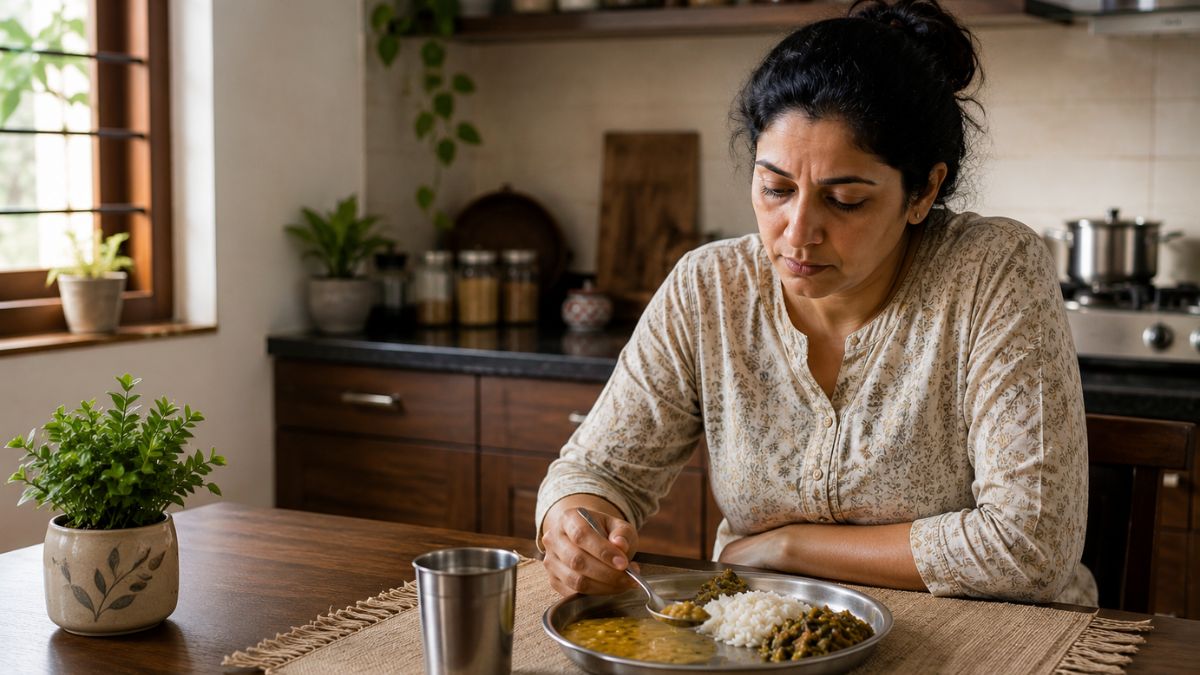
Last Plate Syndrome affects mothers who eat last in families, leading to poor nutrition, fatigue, and health risks, experts warn about lifestyle change.
The growing discussion around “Last Plate Syndrome” is drawing attention to a deeply rooted habit in many households, where mothers consistently eat last after serving everyone else. According to nutrition expert Ms. Misba Begum Hussain Masthan from Apollo Clinic, this pattern may have long-term effects on women’s health and nutrition.
The term Last Plate Syndrome describes a common situation where mothers prioritize preparing and serving meals for the family but delay or skip their own food intake. Experts say this behaviour is often normalized as part of caregiving responsibilities, but it can negatively impact physical and mental well-being.
What is Last Plate Syndrome?
The concept of Last Plate Syndrome refers to the habit of mothers eating after everyone else has finished their meal. In many Indian households, women often serve food first and eat only once others are done. This repeated delay in eating is now being recognized as a lifestyle concern.
Nutritionist Ms. Masthan explains that Last Plate Syndrome can lead to irregular eating patterns and nutritional imbalance if continued over time.
Health Risks Linked to Last Plate Syndrome
Experts warn that Last Plate Syndrome may lead to several health issues due to prolonged fasting and lack of proper nutrition. These include fatigue, headaches, mood swings, and difficulty in concentration.
The condition may also increase the risk of deficiencies in iron, calcium, vitamin B12, and protein. Over time, Last Plate Syndrome can contribute to more serious health concerns such as anemia, obesity, diabetes, high blood pressure, and osteoporosis.
also read:- WBCHSE West Bengal HS 12th Result 2026 Out: Direct Download Link, Toppers List, And Pass Percentage
Impact on Women’s Daily Health
According to specialists, Last Plate Syndrome affects energy levels and digestion as well. Irregular meal timing and long gaps between meals can disturb blood sugar levels, leading to weakness and reduced immunity.
Repeated occurrence of Last Plate Syndrome may also affect long-term metabolic health and emotional well-being.
Simple Dietary Changes Recommended
Experts suggest that overcoming Last Plate Syndrome does not require complex diets. Small lifestyle changes such as eating at regular intervals, avoiding skipped meals, and staying hydrated can help improve health.
Including simple nutritious foods like dal, curd, eggs, fruits, nuts, sprouts, and vegetables can support better nutrition and reduce the effects of Last Plate Syndrome.
Importance of Family Support
Nutritionists emphasize that family participation plays a key role in addressing Last Plate Syndrome. Sharing responsibilities such as serving food and encouraging mothers to eat together with the family can improve both physical and emotional health.
Experts also highlight that appreciation for mothers should include ensuring they receive proper nutrition and self-care time.
For More Hindi News: http://newz24india.com