
Global Leaders React to Operation Sindoor | Calls for Calm and Diplomacy
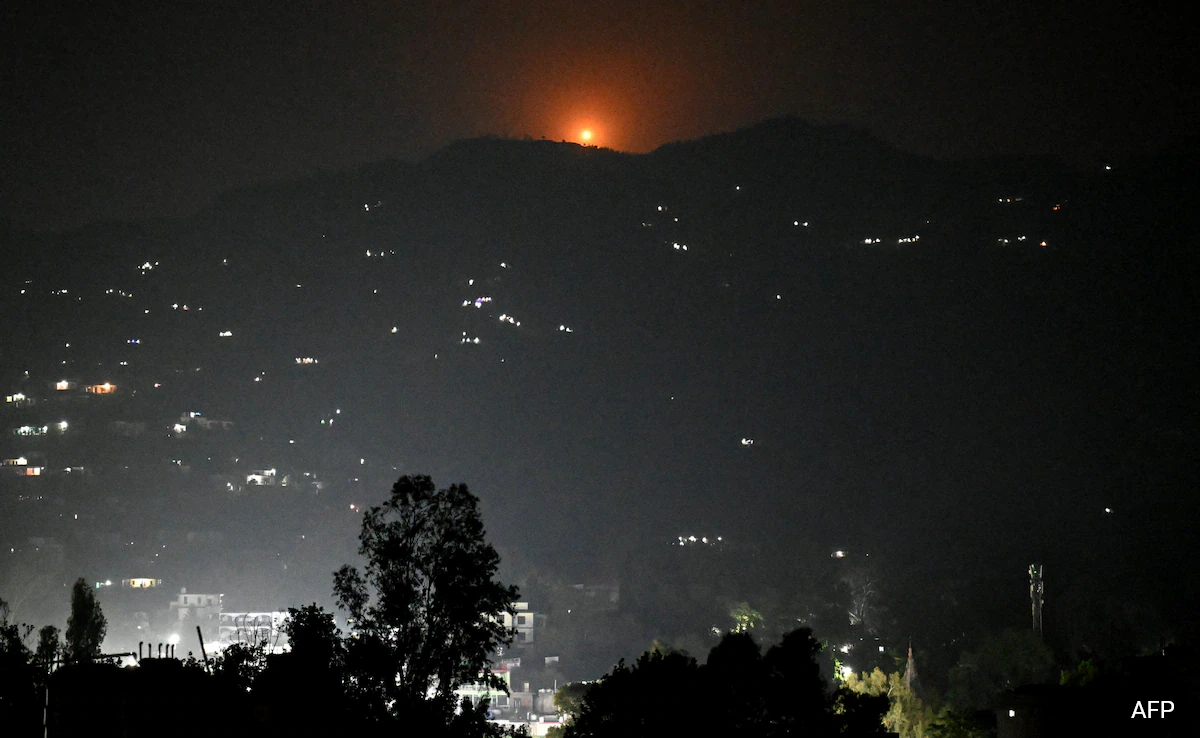
In the wake of India’s military operation, Operation Sindoor, which targeted nine terror camps across Pakistan and Pakistan-occupied Kashmir (PoK), global reactions have poured in, with world leaders expressing concern and calling for restraint from both India and Pakistan. The operation, conducted by the Indian Army, Navy, and Air Force in a highly coordinated effort, lasted just 25 minutes—from 1:05 am to 1:30 am—and was carried out in retaliation for the deadly Pahalgam terror attack on April 22, which claimed 26 lives.

The swift and precise execution of Operation Sindoor has sent ripples through the international community, prompting a series of diplomatic responses from world leaders.
US Responds: Concern and Hope for De-escalation
US President Donald Trump was one of the first to comment on the Operation Sindoor, expressing regret over the escalating tensions between India and Pakistan. “It’s a shame. Just heard about it. I guess people knew something was going to happen based on a little bit of the past. They have been fighting for a long time. I hope it ends very quickly,” Trump stated.
Following Trump’s remarks, US Secretary of State Marco Rubio echoed his concerns, urging both nations to work towards a peaceful resolution. “I am monitoring the situation between India and Pakistan closely. I echo @POTUS’s comments earlier today that this hopefully ends quickly and will continue to engage both Indian and Pakistani leadership towards a peaceful resolution,” Rubio said.
Israel Backs India’s Right to Self-Defense in Operation Sindoor
Israel, a longstanding ally of India, firmly backed New Delhi’s actions. Israel’s Ambassador to India, Reuven Azar, expressed support for Operation Sindoor, stating that the Jewish nation stood by India’s right to self-defense. Azar emphasized that “terrorists should know there’s no place to hide from their heinous crimes against the innocent,” adding the hashtag #OperationSindoor to his statement.
UN Calls for Maximum Restraint
UN Secretary-General Antonio Guterres voiced significant concern over the military actions, calling for “maximum military restraint” from both India and Pakistan. His spokesperson urged both nations to avoid a military confrontation, warning of dire consequences for regional stability. “The world cannot afford a military confrontation between India and Pakistan,” the spokesperson added, highlighting the need for both countries to de-escalate tensions.
China and Japan Express Concern
China, which maintains close relations with Pakistan, labeled India’s military operations as “regrettable” and expressed deep concern about the ongoing situation. A spokesperson from the Chinese Foreign Ministry urged both sides to act in the larger interest of peace and stability, stressing the importance of restraint. “We urge both sides to remain calm, exercise restraint, and refrain from taking actions that may further complicate the situation,” the spokesperson said.
Similarly, Japan’s Chief Cabinet Secretary Yoshimasa Hayashi raised alarms about the potential for retaliatory actions, warning that Operation Sindoor could escalate into full-scale military conflict. Japan condemned the terrorist attack in Kashmir but urged India and Pakistan to resolve the crisis diplomatically. “For the peace and stability of South Asia, we strongly urge both India and Pakistan to exercise restraint and stabilize the situation through dialogue,” Hayashi said.
UAE Calls for Diplomacy and Dialogue
The United Arab Emirates (UAE) Foreign Minister Sheikh Abdullah bin Zayed Al Nahyan joined the international chorus urging restraint. Al Nahyan emphasized the importance of diplomacy and dialogue to prevent further escalation, stating, “Diplomacy and dialogue remain the most effective means of peacefully resolving crises.” He also highlighted the UAE’s commitment to supporting efforts aimed at achieving peaceful resolutions to regional conflicts, further stressing the importance of avoiding military escalation.