
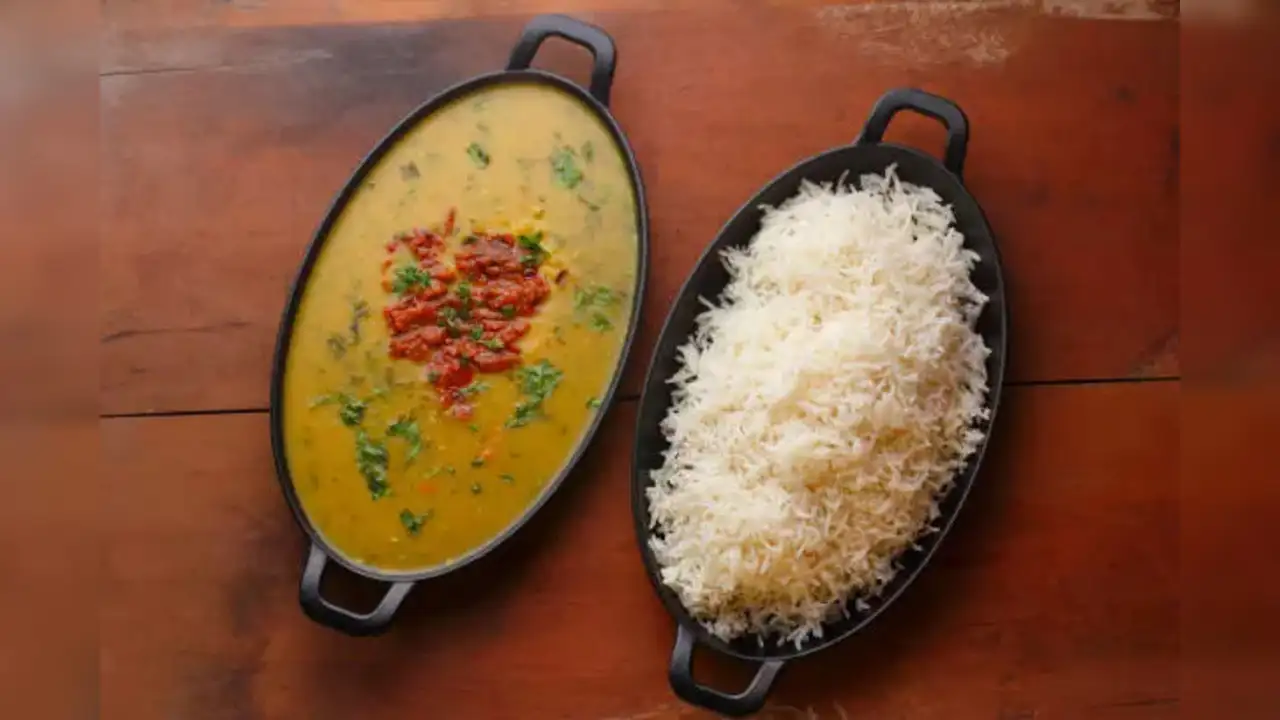
Dal chawal or dal roti for weight loss? Nutrition experts reveal that portion control, dal quantity, and lifestyle matter more than choosing rice over roti.
In Indian households, dal with rice or roti is a comfort food staple. But for those looking to lose weight, deciding between dal chawal and dal roti can be confusing. Nutrition experts reveal that the choice is less about rice or roti and more about portion control, dal quantity, preparation style, and physical activity.
Dal: The Real Star of Your Meal
“Dal is the most important component of both meals,” says Anuja Gaur, Consultant – Weight Management and Diet Therapy at Aakash Healthcare. Packed with protein, fiber, and essential nutrients, dal slows digestion, keeps you full longer, and prevents unnecessary snacking. Experts emphasize that dal should be the main focus rather than just a side dish.
Dal Chawal: Not a Villain
Rice often gets an unfair reputation in weight-loss diets. “Rice digests faster, which can raise blood sugar quickly if portions are large,” explains Ridhima Khamesra, Clinical Dietitian.
However, dal chawal can fit into a weight-loss plan when served mindfully. A small bowl of rice paired with a generous serving of dal, vegetables, and minimal oil is ideal, particularly for active individuals. Issues arise when rice dominates the plate and dal becomes secondary.
Dal Roti: A Fibre-Friendly Option
Roti, especially whole wheat or millet-based, contains more fiber than white rice, which slows digestion and helps control appetite. “Dal roti often works better for those with sedentary lifestyles, such as office workers,” says Gaur.
Still, experts caution that roti is not inherently lighter. Eating multiple rotis, parathas, or adding butter or ghee can negate any weight-loss benefits. “Roti is not lighter food; it’s just slower food,” adds Khamesra.
ALSO READ:- Mahashivratri 2026: Best Time for Rudrabhishek, Puja…
Portion Control is Key
Experts agree that portion size matters more than whether you choose rice or roti. For rice, limit to one small bowl and pair with more dal and vegetables. For roti, stick to one or two and avoid excess oil or ghee. Adding salads or steamed vegetables can increase meal volume without extra calories.
“Weight loss depends on how much you eat, how often you feel hungry, and how active you are,” explains Khamesra.
Small Swaps for Better Results
Choosing brown rice, millets, or hand-pounded rice instead of white rice can improve fiber intake. Similarly, multigrain or millet rotis are better than refined flour options. These swaps help you feel full longer, making it easier to stick to your eating plan.
Balance Over Elimination
“Weight gain or loss is determined by overall intake, preparation, portion size, and daily movement,” says Gaur. “Dal roti with controlled portions may feel slightly easier for weight loss, but dal chawal can be just as healthy when eaten mindfully.”
Khamesra emphasizes sustainability: “Weight loss works when food feels normal. In Indian homes, balance matters far more than demonizing rice or glorifying roti.”
Bottom Line
For long-term weight loss, the focus should be on:
-
Eating simple, wholesome meals
-
Controlling portions
-
Staying active
-
Maintaining consistency
Dal chawal and dal roti are both nutritious. Mindful eating and lifestyle choices, rather than strict elimination, are the true keys to sustainable weight loss.
For More Hindi News:- http://newz24india.com