
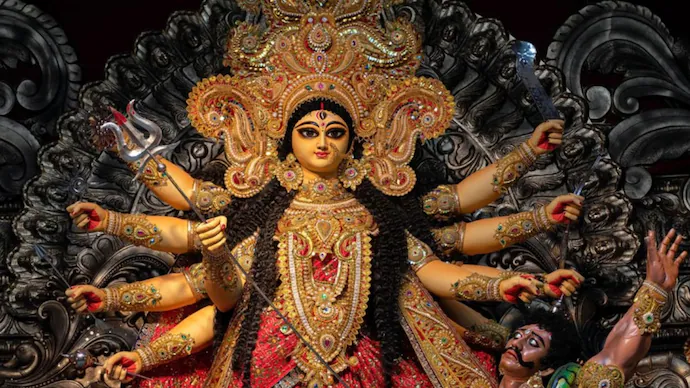
Navratri Ashtami and Navami 2026 fall on October 19. Check puja timings, tithi, Kanya Pujan rituals, Sandhi Puja muhurat and Vijayadashami date.
Navratri Ashtami and Navami 2026: Sharad Navratri is one of the most significant Hindu festivals dedicated to Maa Durga and her nine divine forms. During the final days of the festival, devotees perform special prayers, observe fasts and seek the Goddess’s blessings for prosperity, strength and happiness. In 2026, Maha Ashtami and Maha Navami fall on October 19 according to the New Delhi Panchang, making the tithi timings particularly important for devotees planning their rituals.
The Navratri Ashtami and Navami 2026 celebrations include the worship of Maa Mahagauri and Maa Siddhidatri, Kanya Pujan, and other traditional ceremonies. Devotees should check the local Panchang before deciding the exact time for fasting, puja and related rituals, as observance may vary by region.
Navratri Ashtami and Navami 2026: Important Dates and Tithi Timings
According to the New Delhi Panchang, Ashtami tithi begins on October 18 and ends on the morning of October 19. Navami tithi starts immediately after Ashtami ends and continues until October 20.
Here are the key dates and timings:
Maha Ashtami: Monday, October 19, 2026
Ashtami Tithi Begins: October 18 at 8:27 AM
Ashtami Tithi Ends: October 19 at 10:51 AM
Maha Navami: Monday, October 19, 2026
Navami Tithi Begins: October 19 at 10:51 AM
Navami Tithi Ends: October 20 at 12:50 PM
Vijayadashami (Dussehra): Tuesday, October 20, 2026
These timings are based on the supplied New Delhi Panchang details. Local calculations may differ, so devotees should confirm the schedule with a reliable regional Panchang or their family priest.
Which Goddess Is Worshipped on Maha Ashtami and Maha Navami?
According to Gurudev Vikrant Jain, Chairman and Founder of the Indian Institute of Vedic Science, Maha Ashtami is dedicated to Maa Mahagauri, the eighth form of Maa Durga. Maha Navami is dedicated to Maa Siddhidatri, the ninth form of the Goddess.
Maa Mahagauri is associated with purity, peace and compassion. Devotees worship her to seek harmony and relief from difficulties. Maa Siddhidatri represents spiritual wisdom, divine blessings and the attainment of fulfilment.
The Navratri Ashtami and Navami 2026 observances give devotees an opportunity to offer prayers to both forms of Maa Durga and conclude their Navratri worship with devotion.
Maha Ashtami 2026: Puja Vidhi and Significance
Maha Ashtami is considered one of the most auspicious days of Sharad Navratri. Devotees worship Maa Mahagauri, observe fasts according to their traditions and offer flowers, fruits and sweets to the Goddess.
The traditional Ashtami puja can be performed through these steps:
Wake up early, bathe and clean the place of worship.
Arrange the idol or picture of Maa Durga and prepare the puja offerings.
Offer flowers, kumkum, fruits and sweets to the Goddess.
Light a diya and incense sticks according to family customs.
Recite the Durga Chalisa or chant a preferred Durga mantra.
Pray for peace, happiness and the well-being of family members.
Perform Kanya Pujan if it is part of your family tradition.
Devotees can perform the rituals according to their beliefs and customs. Those observing a fast should also take their health into consideration.
Maha Navami 2026: Puja Vidhi and Rituals
Maha Navami marks the ninth day of Navratri and is dedicated to Maa Siddhidatri. Devotees seek the Goddess’s blessings for wisdom, strength, prosperity and spiritual growth.
Many families perform a havan on Navami and complete their Navratri worship with special prayers and offerings. Kanya Pujan is also an important ritual observed in many regions.
The usual Navami puja procedure includes:
Clean the puja area and arrange the required materials.
Offer flowers, fruits and sweets to Maa Durga.
Chant Durga mantras or recite the Durga Chalisa.
Perform havan if it is part of your religious tradition.
Pray for health, peace and prosperity.
Conclude the worship according to family customs.
Since the Navami tithi begins on the morning of October 19 and continues into October 20, devotees should consult their local Panchang to determine the appropriate time for their preferred rituals.
also read:- Durga Puja 2026 Bhog: 21 Traditional Dishes To Offer Maa…
Kanya Pujan on Ashtami and Navami 2026
Kanya Pujan, also known as Kanjak Puja in some regions, is a significant Navratri tradition. During this ceremony, young girls are honoured as manifestations of the Divine Mother.
Families commonly perform Kanya Pujan on either Ashtami or Navami, depending on their religious customs and the applicable tithi timings.
The ritual generally involves inviting young girls, washing their feet as a mark of respect, offering food and giving gifts such as fruits, sweets or other traditional items. Some families also include a young boy in the ceremony according to their customary practice.
The purpose of Kanya Pujan is to honour the feminine divine energy and express devotion to Maa Durga. As both Ashtami and Navami are observed on October 19 according to the supplied New Delhi calendar, families should check the relevant muhurat before finalising their plans.
Sandhi Puja Muhurat 2026
Sandhi Puja is an important ritual in several Durga Puja traditions. It is performed during the transition between Ashtami and Navami and is associated with the worship of the Goddess at this sacred juncture.
The supplied New Delhi Panchang details indicate an approximate Sandhi Puja window of 10:27 AM to 11:15 AM on October 19, 2026.
Devotees who observe Sandhi Puja should arrange their offerings in advance and verify the exact local muhurat before beginning the ritual. The timing is particularly important because the ceremony is linked to the transition between the two lunar tithis.
Important Things to Remember During Ashtami and Navami
Devotees preparing for the final days of Navratri can keep the following points in mind:
Clean the place of worship before starting the puja.
Arrange flowers, fruits, sweets and other offerings in advance.
Follow family traditions for fasting and worship.
Confirm the local Panchang for Kanya Pujan and Sandhi Puja.
Avoid assuming that the same ritual timings apply in every city.
If fasting causes weakness or dizziness, prioritise your health and seek medical advice when needed.
For More Hindi News: http://newz24india.com