
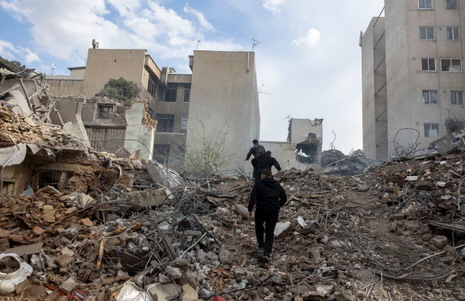
The landscape of Middle Eastern diplomacy has shifted rapidly following a brokered pause in hostilities. Below are the essential points regarding the current situation and why there is a growing Israel concerned over Iran ceasefire sentiment within the Israeli security cabinet.
Strategic Context and US Objectives
Demonstration of Power: The U.S. State Department confirmed that recent precision strikes were intended to show Tehran the “full scale of kinetic consequences” should they continue regional escalation.
The 14-Day Truce: A temporary ceasefire, facilitated by international mediators, took effect on April 8, 2026, aimed at reopening vital maritime corridors.
Pressure for Progress: President Trump has signaled that the U.S. is “impatient to make progress,” using the pause as a final diplomatic window before potential further action.
also read:https://newz24india.in/modi-election-campaign-puducherry-roadshow-2026/
Primary Reasons: Israel Concerned Over Iran Ceasefire
Despite the lull in direct U.S.-Iran fire, Jerusalem remains highly skeptical for several strategic reasons:
Regrouping Risks: Israeli intelligence suggests that a pause provides the “Axis of Resistance” a vital window to resupply missile stockpiles and reorganize command structures.
The “Lebanon Loophole”: A major point of Israel concerned over Iran ceasefire rhetoric is that the deal does not explicitly cover Hezbollah. Israel maintains it will continue operations in southern Lebanon regardless of the Tehran agreement.
Nuclear Ambiguity: There are fears that diplomacy is being used as a “smokescreen” while Iran continues its underground enrichment activities away from the immediate threat of airstrikes.
Exclusion from Talks: High-ranking Israeli officials have expressed frustration over being “sidelined” during the Pakistani-mediated negotiations between Washington and Tehran.
Current Regional Status
Evacuation Orders: Even with the ceasefire in place, the IDF has issued new evacuation warnings for residents in Tyre, indicating that the northern front remains active.
Strait of Hormuz: International shipping companies are cautiously monitoring the Strait, with the U.S. Navy maintaining a “high-readiness” posture to ensure the ceasefire terms are met.
Iranian Stance: Tehran has stated their “hands remain on the trigger,” asserting that any violation by Israeli forces during the 14-day window will nullify the entire agreement.
http://For More Hindi News: http://newz24india.com