
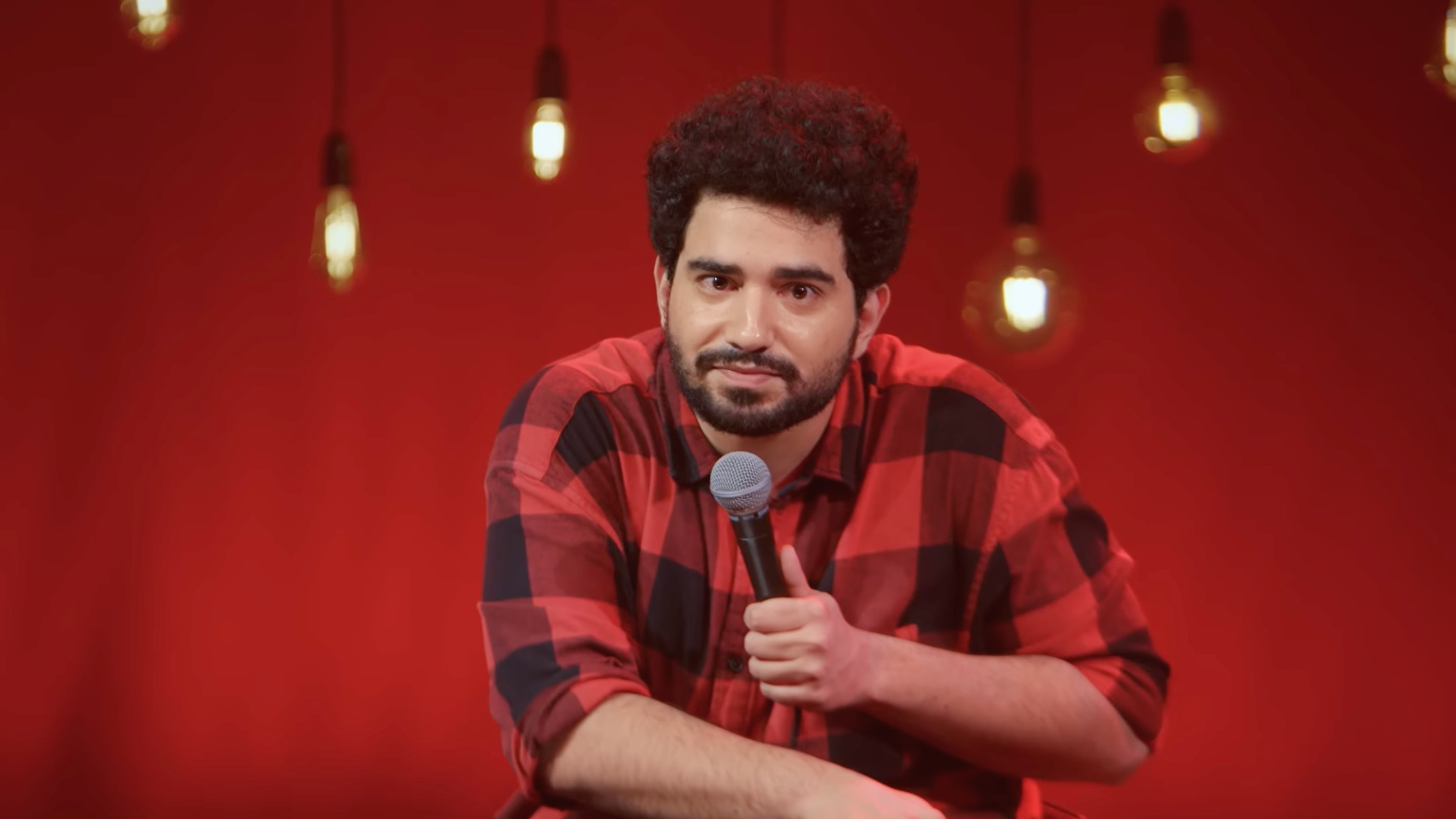
The Supreme Court on Tuesday came down heavily on comedian and YouTuber Samay Raina, imposing a 3 lakh cost on him and four other social media influencers for failing to comply with directions issued in a case involving remarks about persons with disabilities. Along with the financial penalty, the court delivered a stern message on the responsibilities that come with digital influence, stressing that public figures cannot ignore judicial directions or compromise the dignity of others in the name of entertainment.
The latest hearing marked a significant turn in the ongoing proceedings initiated on a petition filed by Cure SMA India Foundation, an NGO that had objected to offensive comments allegedly made during an online show. While the matter originally focused on remarks targeting persons with disabilities, Tuesday’s proceedings centred on whether Samay Raina and the other influencers had fulfilled the assurances they had previously given before the apex court.
Samay Raina’s Failure to Follow Earlier Directions Draws Supreme Court’s Criticism
During the hearing, the bench led by Chief Justice of India Surya Kant, along with Justices Joymalya Bagchi and V. Mohan, expressed dissatisfaction over what it described as a clear failure to comply with earlier directions. The court said it had little reason to believe that Samay Raina had acted in accordance with the commitments made before it.
Earlier, the Supreme Court had instructed Samay Raina to invite persons with disabilities to participate on his digital platforms at least twice every month. It had also directed him to use his online reach to create awareness and help raise funds for children suffering from rare disorders such as Spinal Muscular Atrophy (SMA).
However, appearing for the petitioner NGO, senior advocate Aparajita Singh informed the bench that Samay Raina had not contacted the organisation and had also failed to reach out to persons with disabilities for participation in his shows. The submission prompted the judges to question whether the directions of the court had been taken seriously at all.
The bench also took exception to a claim that a compliance affidavit had been filed before the hearing. On examining the record, the judges found no such affidavit, observing that the situation only added to the seriousness of the alleged non-compliance.
₹3 Lakh Cost on Samay Raina and Four Other Influencers
After considering the submissions, the Supreme Court imposed a 3 lakh cost each on Samay Raina, Sonali Thakkar, Vipul Goyal, Balraj Paramjit Singh Ghai and Nishant Jagdish Tanwar.
The court disclosed that it had initially contemplated imposing a much steeper penalty of 10 lakh per influencer. However, after hearing the arguments, it decided to reduce the amount while making it clear that the relief should not be viewed as a sign of leniency.
Issuing a strong warning, the bench stated that continued failure to follow its directions could result in the penalty being increased to 30 lakh. Counsel representing Samay Raina and the other influencers assured the court that they would advise their clients to comply with every direction issued by the bench.
During the proceedings, the judges also observed that if the creators had genuinely intended to make amends, they should have directly involved persons with disabilities and organisations working for them instead of limiting their response to financial contributions. The court emphasised that the issue was not merely about money but about restoring dignity and demonstrating genuine sensitivity.
Court Links Digital Influence With Greater Public Responsibility
Apart from dealing with the issue of compliance, the hearing also highlighted the Supreme Court’s broader concerns over the growing influence of digital creators. The judges observed that individuals with millions of followers carry a greater responsibility because their content shapes public attitudes and reaches audiences across age groups.
The bench reiterated that while freedom of speech is a protected constitutional right, it cannot be used as a defence when monetised content undermines the dignity of vulnerable sections of society. Public recognition, the court observed, brings with it an equal obligation to exercise restraint and treat every individual with respect.
The hearing also revisited the need for stronger safeguards governing online content. The Supreme Court reiterated its earlier suggestion that the Union government should work towards a more effective regulatory framework capable of addressing objectionable digital content without resulting in censorship. Among the measures discussed previously were stricter age-verification systems and Aadhaar-based access controls for explicit or sensitive content.
For Samay Raina, the latest order represents more than just a monetary penalty. It reinforces the Supreme Court’s expectation that influencers honour the commitments they make before the judiciary and use their platforms responsibly. As the case progresses, the focus is likely to remain on whether Samay Raina and the other influencers fully implement the court’s directions, with the bench making it clear that any further non-compliance could invite much stricter consequences.