
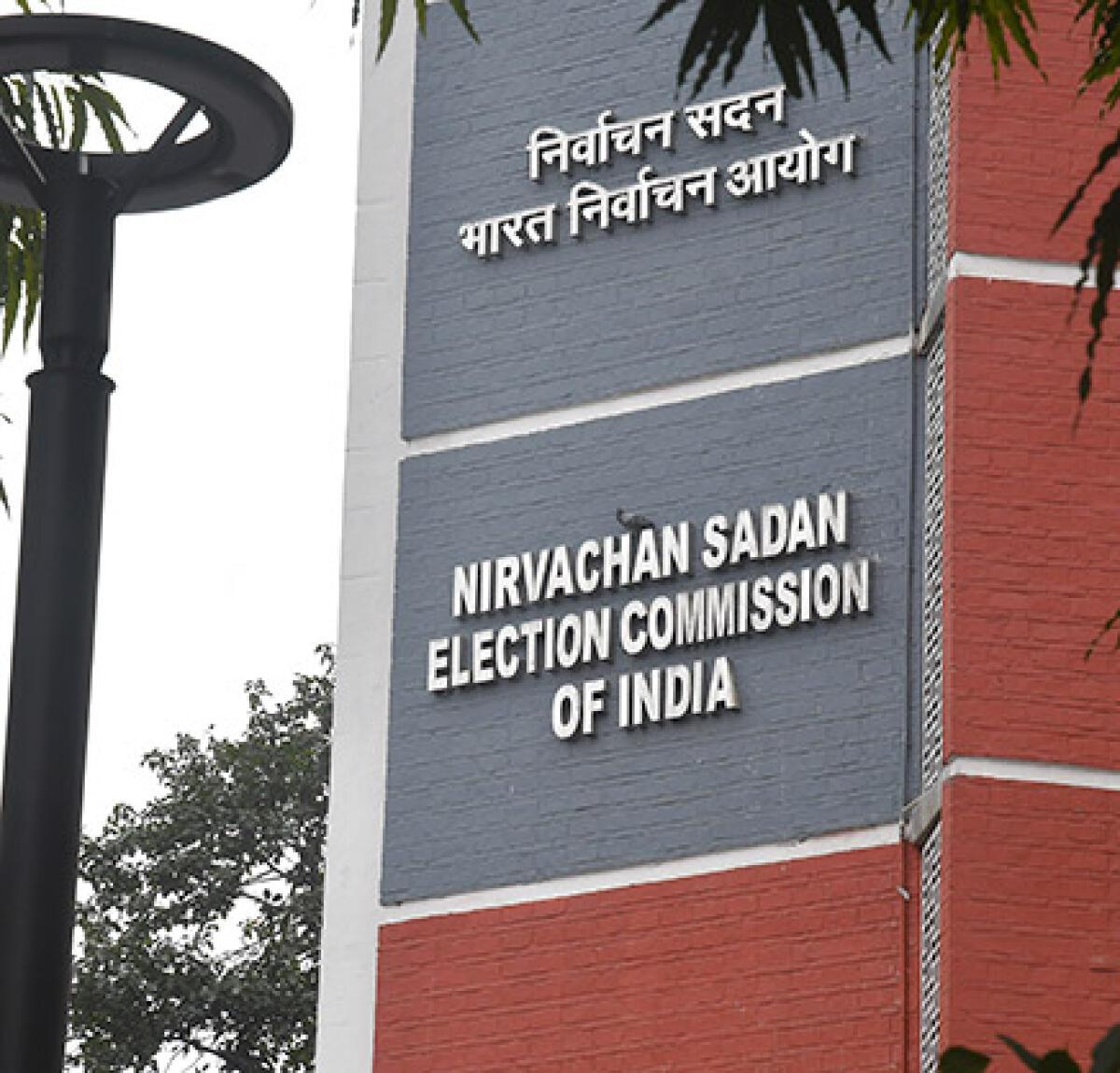
Chhattisgarh NEWS : Within a month of assuming office as the 26th Chief Election Commissioner (CEC) of India, Shri Gyanesh Kumar, along with Election Commissioners Dr. Sukhbir Singh Sandhu and Dr. Vivek Joshi, has set the election machinery in motion, ensuring that operations reach the grassroots level, including Booth Level Officers (BLOs). The focus remains on maximizing voter participation and enhancing the polling experience. Political parties, being essential stakeholders, are also being actively engaged at the grassroots level.
Recognizing the nearly 100 crore electors as the backbone of democracy, the Election Commission of India (ECI) is set to begin technical consultations with UIDAI experts. While voters can only cast their ballots at designated polling stations, the Commission has committed to eliminating duplicate EPIC numbers nationwide within three months, resolving a long-standing issue. The regular updating of voter lists will be reinforced through close coordination with birth and death registration authorities. During discussions with political parties, the Commission clarified that any modifications to the draft electoral roll must follow the appeal process outlined in the Representation of the People Act, 1950. In the absence of appeals, the voter list prepared by the Electoral Registration Officer (ERO) will stand as final. Notably, the ECI had previously clarified that as of March 7, 2025, only 89 first appeals and one second appeal were filed following the completion of the Special Summary Revision (SSR) exercise in January 2025.
Ensuring complete voter enrollment, facilitating ease of voting, and enhancing the overall polling experience are primary goals for ECI. Measures will be implemented to limit polling stations to a maximum of 1,200 voters and ensure that no station is located more than 2 km away from electors. Even remote rural polling stations will be equipped with essential amenities (AMF). Additionally, to combat voter apathy in urban areas and boost participation, polling stations will be set up within residential clusters, including high-rise buildings and housing colonies.
In a significant move to enhance the capabilities of nearly one crore election personnel, a two-day conference of Chief Electoral Officers (CEOs) from all States and Union Territories was held at IIIDEM, New Delhi, on March 4-5. For the first time, District Election Officers (DEOs) and Electoral Registration Officers (EROs) from each State and UT also participated. The conference aimed to energize the election framework by clearly mapping out 28 key stakeholders and defining their roles per constitutional, legal, and regulatory guidelines. Training materials, including electoral handbooks and manuals, will be updated to reflect the latest changes. Digital training kits will be created in multiple Indian languages to facilitate effective training for frontline workers, complemented by animated videos and an integrated digital dashboard. A dedicated training module for BLOs is also in the pipeline.
To ensure active involvement of political parties in all aspects of the electoral process, CEC Gyanesh Kumar instructed during the CEO conference on March 4 that regular meetings and interactions be conducted by all 36 CEOs, 788 DEOs, and 4,123 EROs. These meetings, scheduled for completion by March 31, 2025, aim to address concerns at the grassroots level. The ECI’s initiative to train political party representatives and Booth Level Agents (BLAs) on electoral laws and voter list procedures has been well received. Additionally, political parties have been invited to submit their suggestions on electoral processes by April 30, 2025, and have been offered an opportunity to meet with the Commission in Delhi at a mutually convenient time.
These comprehensive initiatives mark a bold step toward strengthening election processes, ensuring inclusivity, and engaging all key stakeholders in a participatory manner.