
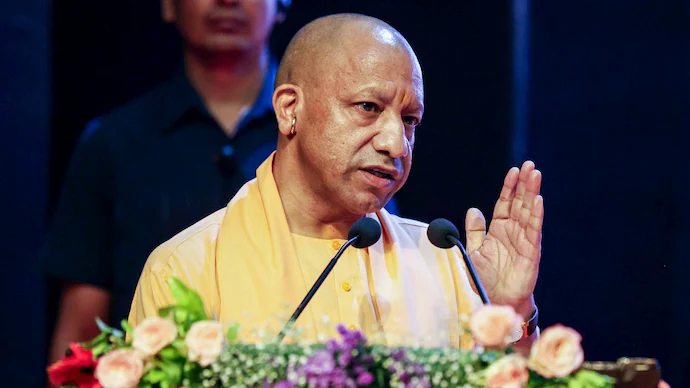
UP digital libraries are expanding rural education access as CM Yogi Adityanath highlights 57,600 gram panchayats equipped with digital learning facilities.
Uttar Pradesh Chief Minister Yogi Adityanath has highlighted the expansion of digital education facilities in villages, saying students in rural areas no longer need to depend on cities for access to books, computers and online learning resources. The Chief Minister made the remarks while highlighting a digital library established at the gram panchayat secretariat in Khasaha Mohammadpur village of Bahraich district.
According to Yogi Adityanath, the initiative is part of a broader push to strengthen technology-based education infrastructure across the state. The UP digital libraries initiative, he said, is helping bring educational resources closer to students and young people preparing for competitive examinations.
Digital Library Brings Learning Resources Closer to Students
The digital library in Khasaha Mohammadpur has been equipped with computers, printers, high-speed internet connectivity, Wi-Fi, a smart television and CCTV cameras. It also contains books for competitive examinations along with literature published by the National Book Trust.
While describing the facility, Yogi Adityanath said students in villages earlier had to travel to cities to access quality study material and other educational resources. According to him, such travel involved additional expenditure and consumed valuable study time.
The Chief Minister said the availability of UP digital libraries in rural areas is helping students use that time more effectively for studies, e-learning and preparation for competitive examinations.
57,600 Gram Panchayats Linked With Digital Libraries
Yogi Adityanath claimed that the state’s digital education network has expanded significantly over the years. He compared the present infrastructure with the situation before 2017, when e-library facilities were available at around 76 state- and district-level locations.
He said digital libraries have now reached 57,600 gram panchayats across Uttar Pradesh. The expansion, according to the Chief Minister, is aimed at creating easier access to knowledge and technology for students living in rural communities.
The UP digital libraries expansion also reflects the government’s focus on using gram panchayat infrastructure for educational and technological purposes, he said.
also read:- UP IAS PCS Transfer: 15 IAS And 23 PCS Officers Get New…
Smartphones, Smart Classrooms and ICT Labs
The Chief Minister also cited other technology-related initiatives while discussing the state’s education infrastructure. He said nearly 60 lakh young people have been provided smartphones and tablets.
In addition, Adityanath claimed that more than 32,000 schools now have smart classrooms, while over 15,000 schools have ICT laboratories.
He said these facilities are intended to provide students with greater exposure to digital learning and modern educational tools, particularly in areas where access to such resources was previously limited.
Yogi Targets Previous SP Government
During his remarks, Yogi Adityanath also compared the current education infrastructure with the period between 2012 and 2016 under the previous Samajwadi Party government.
He claimed that 6.22 lakh children did not receive textbooks and around 97 lakh children were deprived of uniforms despite government funds being available for these purposes.
The Chief Minister used these figures to contrast the previous administration’s education delivery with the BJP government’s emphasis on technology-enabled learning facilities.
Villages Emerging as Knowledge Centres
Yogi Adityanath said the growth of UP digital libraries is not only benefiting students but also reducing the need for parents to send their children outside villages in search of educational resources.
He described gram panchayat secretariats as evolving beyond their traditional administrative role and becoming centres for knowledge, technology and learning.
The Chief Minister said bringing books, digital tools and online resources closer to rural students could make competitive exam preparation and e-learning more accessible. The Khasaha Mohammadpur facility, he added, represents the broader effort to create a digital education ecosystem within villages.
For More Hindi News: http://newz24india.com